dailynewsnblog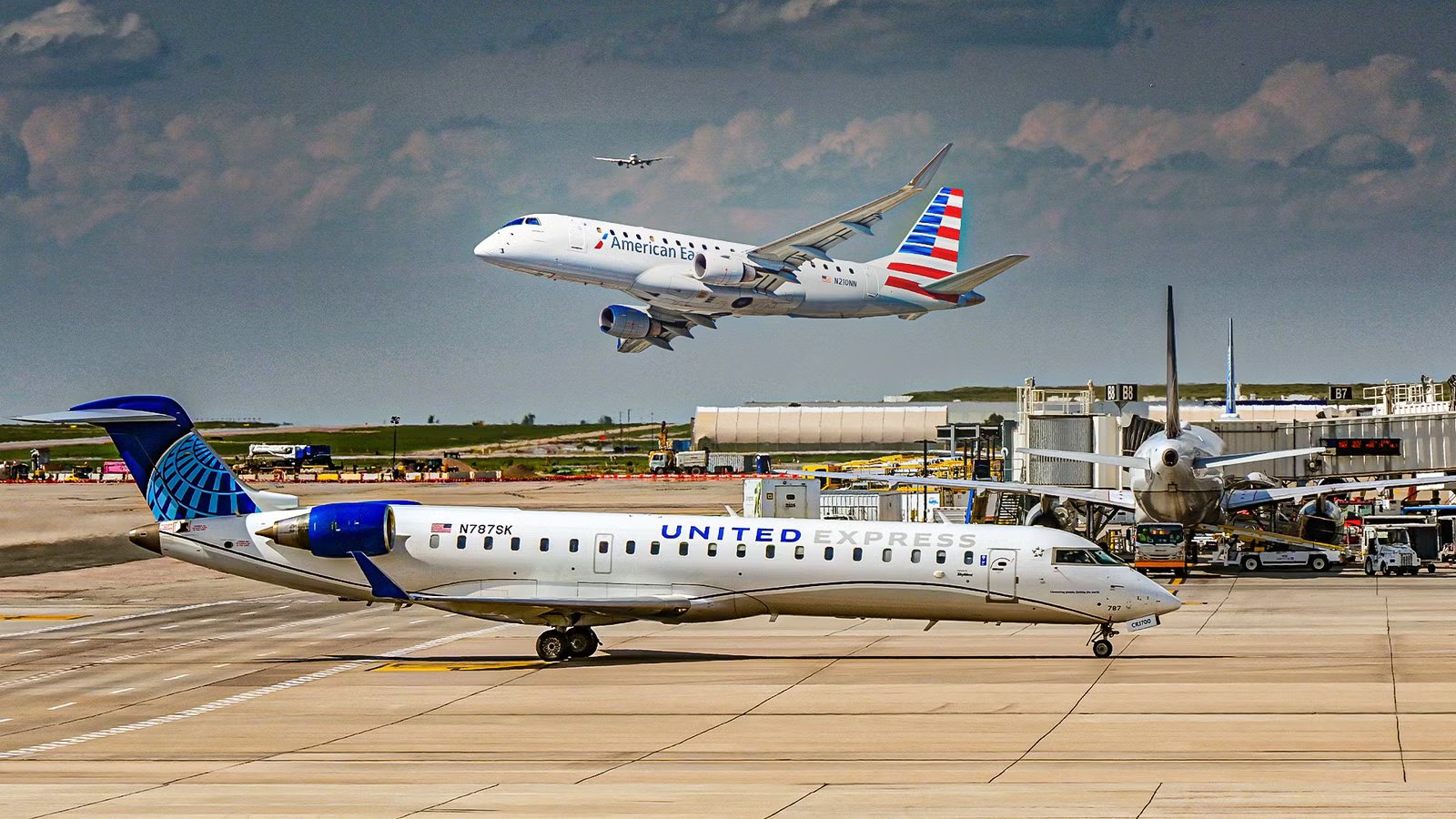
For decades, the traditional route to an airline cockpit followed a familiar pattern – aspiring pilots learned to fly independently, paid for ratings however they could, accumulated hours through flight instruction or charter work, and then competed for regional airline jobs before eventually reaching a major carrier. The journey was expensive, uncertain, and largely disconnected from the airlines that would one day employ successful candidates. That model is now changing, with two of the largest carriers in the US becoming involved years earlier than ever before.
United Airlines’ Aviate program and American Airlines’ Cadet Academy represent something much bigger than a response to pilot shortages. Rather than simply recruiting experienced aviators, the two legacy carriers are increasingly manufacturing their own future workforce from the very beginning, welcoming candidates as young as 19 with no previous flight experience, financing their training, shaping their professional development, and creating airline-branded pilots long before they ever operate a scheduled passenger flight.
Legacy Airlines Entering The Training Business

United Airlines | Simple Flying
The emergence of structured ab-initio pilot programs marks a significant shift in how major US airlines think about recruitment. Instead of waiting for pilots to arrive after years of independent flying, both  United Airlines and
  American Airlines have built systems that identify candidates before they have logged their first hour in an aircraft, then guide them through every major stage of their development.
This approach reflects the enormous long-term demand facing commercial aviation. Industry forecasts project that airlines around the world will require more than 600,000 new pilots over the next two decades, while United Airlines alone expects to hire more than 10,000 pilots during the next ten years. Those figures make relying entirely on traditional recruitment increasingly risky, especially as retirements continue to reduce the existing pilot pool.
Rather than treating pilot hiring as the final step in a long career journey, both airlines increasingly see training as the first stage of employment. Candidates apply to airline-branded academies, complete standardized flight instruction, become instructors to build experience, move into affiliated regional airlines, and eventually transition into mainline operations under an established pathway. The result is a system where airlines have visibility over future employees from the very beginning, creating a far more predictable talent pipeline than previous generations ever experienced.
From Zero Hours To A Guaranteed Airline Pathway

Shutterstock | Simple Flying
Perhaps the biggest attraction of these programs is the clarity they provide. Traditional flight training often required aspiring pilots to make major financial commitments without any certainty that an airline job would ultimately materialize, forcing graduates to search independently for instructing positions before competing for regional airline openings.
United Airlines’ Aviate pathway and American Airlines’ Cadet Academy replace much of that uncertainty with a clearly defined sequence of milestones. Students begin with private pilot training before progressing through instrument, commercial, multi-engine, and instructor certifications. After qualifying as certified flight instructors, they accumulate the flight experience required for airline employment while teaching new students, remaining within the broader airline-sponsored ecosystem.
The next step usually involves joining wholly owned or closely affiliated regional carriers. American Airlines’ process feeds pilots toward the  oneworld carrier’s regional subsidiary operators, including Envoy Air, PSA Airlines, and Piedmont Airlines, while United Airlines’ pathway directs graduates toward participating United Express operators. Instead of repeatedly searching for new employers as experience increases, participants generally follow a planned progression that eventually leads toward the mainline airline.
United Airlines’ pathway includes another notable benchmark before pilots can transition into the mainline operation. Aviate participants must complete 1,200 hours as pilot in command while flying for a participating regional or approved operator before becoming eligible to join the  Star Alliance carrier as a first officer. That requirement ensures pilots arrive with meaningful operational experience while still remaining within a carefully managed development system that has followed them since their earliest training flights.
Financing Removes One Of Aviation’s Biggest Barriers

Learning to fly has always demanded a substantial financial commitment, making cost one of the largest obstacles preventing many talented candidates from pursuing airline careers. Flight training from zero experience through instructor certifications can easily reach well into six figures, particularly when housing and living expenses are included.
American Airlines has responded by integrating specialized financing directly into the Cadet Academy experience. Through American Airlines Federal Credit Union, eligible students can obtain loans of up to $148,000 covering flight training costs, housing expenses, and even additional living support, with no required loan payments for as long as 45 months while completing training and beginning their careers.
That structure fundamentally changes the financial calculation for many applicants. Instead of assembling funding from multiple private lenders or interrupting training because of cash flow problems, students can focus on progressing through the academy with financing specifically designed around the unusually long timeline required for professional pilot development.
United Airlines also places considerable emphasis on reducing financial barriers. Alongside financing opportunities available through training partners, the carrier,  Boeing, and Chase have collectively funded millions of dollars in scholarship support for Aviate Academy students, including a $3.45 million initiative designed partly to broaden access and diversify the future pilot workforce. These efforts acknowledge that expanding recruitment requires attracting candidates who previously may have considered professional aviation financially unattainable.
Airlines Are Shaping Cockpit Culture Years Before Hiring

While financing and guaranteed career pathways receive much of the public attention, the airlines arguably gain an equally valuable advantage through early cultural development. Instead of introducing company procedures after pilots have accumulated thousands of hours elsewhere, the airlines begin shaping professional behavior from the very first stages of training.
Students are introduced early to airline expectations surrounding Crew Resource Management, automation philosophy, communication standards, decision-making, professionalism, and operational discipline. These concepts exist throughout commercial aviation, but teaching them within an airline-specific framework allows companies to reinforce the behaviors they believe best support their own operational culture.
This creates a very different educational environment from traditional independent flight schools, as, rather than simply producing licensed commercial pilots who later adapt to whichever airline hires them, academy students develop while already identifying with a specific carrier’s expectations and values. Every stage, from classroom instruction through regional airline operations, reinforces those standards before candidates ever reach a cockpit.
The approach also functions as an extended evaluation process, enabling airlines to observe performance, professionalism, leadership, communication, and decision-making across several years instead of relying primarily on interviews conducted shortly before employment. Technical flying skills remain essential, but the longer relationship gives recruiters a much richer understanding of how future pilots respond to training, feedback, teamwork, and operational pressures throughout their development.
Catch what other flight trackers miss
Emergency squawks, holds, NOTAMs — live signals, no signup.
Open tracker
Catch what other flight trackers miss
Emergency squawks, holds, NOTAMs — live signals, no signup.
Open tracker
Building Loyalty Before The First Airline Flight

One of the more interesting aspects of these programs is how effectively they transform recruitment into long-term brand building. Students are not simply learning to become airline pilots; they are encouraged to think of themselves as future United Airlines or American Airlines pilots almost immediately after joining their respective academies.
That identity develops gradually throughout the structured pathway – cadets interact with airline mentors, attend company events, receive guidance from employees already flying within the network, and become familiar with company culture years before operating scheduled passenger services. Rather than viewing regional airlines as temporary employers to leave at the earliest opportunity, participants increasingly see each career stage as part of a single journey toward the same parent airline.
From the airlines’ perspective, this creates a stronger organizational commitment than traditional hiring models. Pilots who have spent years progressing through a branded system have already invested significant time, relationships, and professional identity within that company. The airline has effectively cultivated loyalty throughout the training process instead of attempting to establish it only after employment begins.
This branding strategy also differentiates the modern academies from earlier airline-sponsored recruitment initiatives. The emphasis extends beyond simply producing qualified pilots to creating individuals who already understand company expectations, recognize familiar faces within the organization, and identify personally with the airline’s broader culture before reaching the mainline fleet.
Changing Airline Recruitment Forever

United Airlines | Simple Flying
The significance of these programs extends well beyond solving immediate staffing challenges. They represent a broader shift in how legacy airlines view talent development, replacing reactive recruitment with long-term workforce planning that begins almost at the moment someone decides to become a pilot.
Rather than depending on an external training ecosystem to produce candidates with varying backgrounds, United Airlines and American Airlines increasingly control much of the developmental process themselves. Standardized instruction, integrated financing, predictable career progression, and continuous evaluation produce pilots whose professional experience has unfolded almost entirely within one airline family’s operational philosophy.
That level of involvement would have been unusual only a generation ago, when major airlines largely hired pilots after careers built across numerous employers, military service, charter operators, or independent flight schools. Today’s model instead resembles an integrated apprenticeship stretching across many years, where technical qualifications, cultural alignment, and career progression all develop simultaneously.
For prospective pilots, particularly those beginning at 19 with no flight experience, these pathways dramatically reduce many of the traditional uncertainties surrounding an aviation career. For the airlines, they accomplish something equally important by ensuring that long before a new first officer reports to operate a Boeing or Airbus aircraft, years of training have already shaped not only how that pilot flies, but also how they think, communicate, and identify with the airline whose uniform they will eventually wear.