dailynewsnblog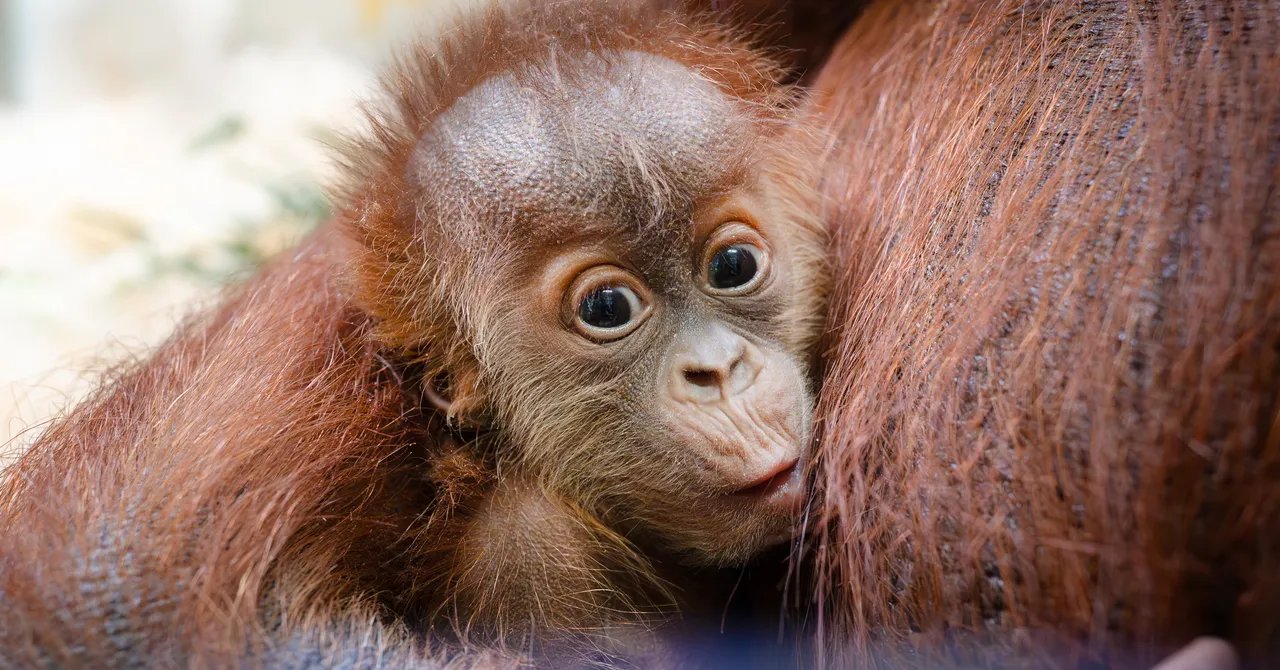
“It’s a girl!” Melissa Peterson exclaims.
Just outside the operating room, the hallway erupts in cheers. Joseph Dewane, an ob-gyn, has just delivered a healthy baby via C-section; Autumn Joi Goodwin-Samson, a neonatalist, tends to the newborn still slick with a waxy film.
It’s a successful delivery just like any other except for one, minor, difference: The patient is an orangutan.
Ruhana—or just “Ru” for short—is one of eight orangutan babies born in a collection of US zoos since the beginning of 2025. For these critically endangered primates, that’s a staggering figure. It’s also not random: The baby boom is the result of a meticulous breeding plan and decades of research to weave a conservation safety net, one birth at a time.
“It might seem like it was all a coincidence that everyone was born at the same time, but it was very carefully planned,” says Angie Selzer, a senior animal care specialist with the Fort Wayne Zoo in Indiana and the Orangutan Species Survival Plan (SSP) program coordinator.
The SSP has been coordinating breeding recommendations since 1985; every two years, the program creates a breeding and transfer plan for animals at zoos accredited by the Association of Zoos and Aquariums (AZA). Geneticists from the SSP consult a “studbook,” which contains the pedigree of all the animals in their system.
“We want to maintain a healthy and sustainable population that mimics the natural history of wild orangutans while ensuring successful mother-rearing of offspring,” Seltzer tells WIRED. Their recommendation accounts for a number of breeding factors, including underrepresented genetic lines, each animal’s unique personality, and group dynamics—always aiming for the lowest relation between breeding pairs.
“We’ve had a very good, happy outcome,” she says. It all started in February 2025 when the Indianapolis Zoo welcomed Edi, a healthy baby boy. After that, Weila was delivered at the Hogle Zoo in Utah in June; Bintang arrived at the Los Angeles Zoo, and in December, the Memphis Zoo welcomed Ruhana. Peterson, the associate primates curator at the Memphis Zoo says being present for that moment was a “remarkable experience.” The run of babies has continued this year, with baby girls born at the Cameron Park Zoo in Waco, Texas, Sedgwick County Zoo in Wichita, Kansas, and Fort Wayne Zoo in Indiana. Just a few months ago, the Denver Zoo welcomed a baby boy named Rambutan.

Courtesy of Sedgwick County Zoo