dailynewsnblog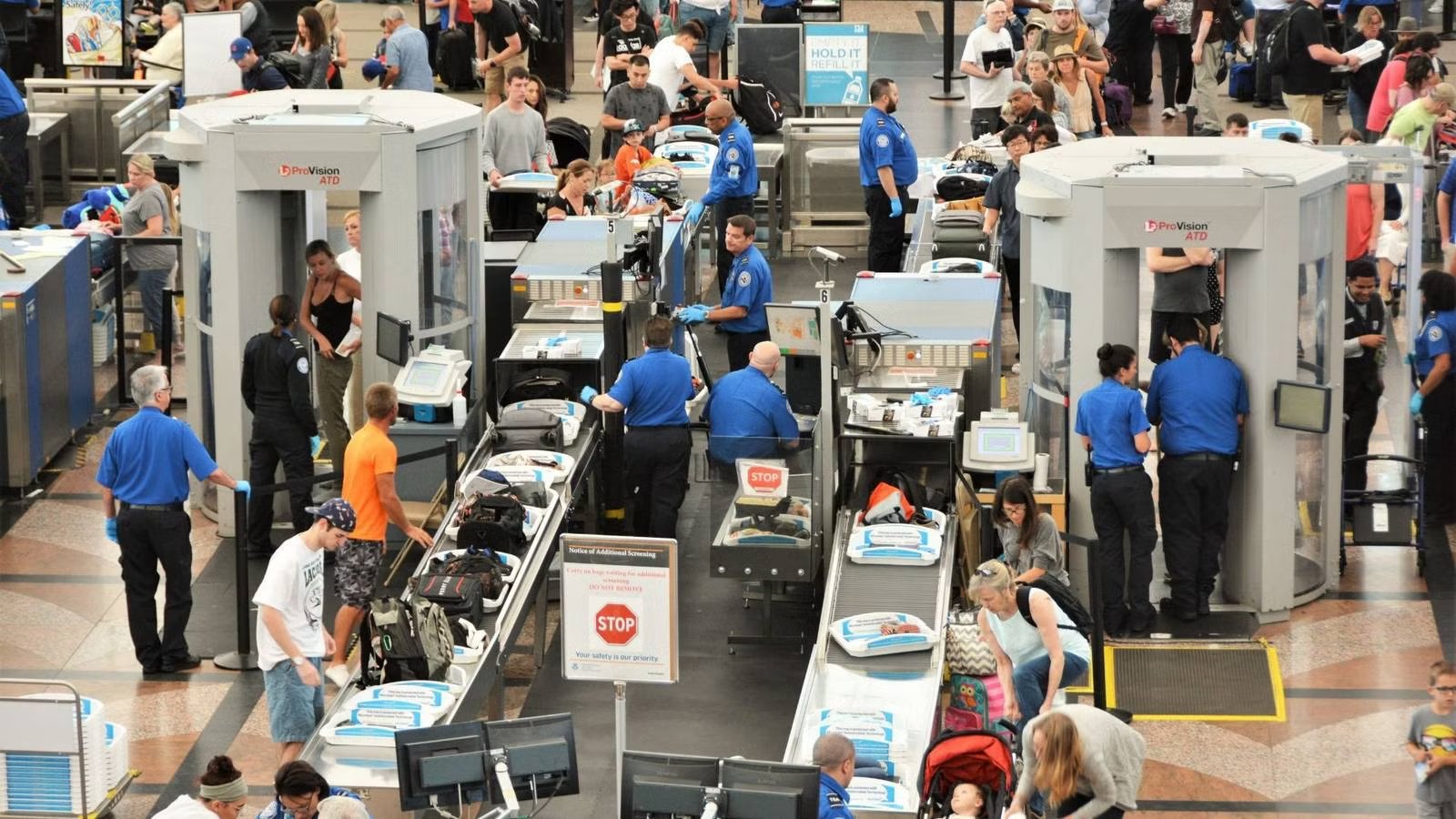
In February 2026, someone at  Orlando International Airport (MCO) found a TSA-branded briefing flyer describing a program called GoldPlus, a “new public-private partnership aimed at modernizing aviation security at select airports across the country.” The flyer was shared with a Federal News Network reporter, who published the first report on the program in April. Neither Congress nor the union representing 47,000 Transportation Security Officers nor the public had been told the program existed. TSA had been developing and marketing GoldPlus to vendors and airport executives since at least August 2025.
The program makes close to $13 billion in federal funds available to private companies to take over both the screening workforce and the screening technology at airports that opt in, going significantly beyond the existing Screening Partnership Program that covers 20 airports with private screeners using TSA-owned equipment. Tampa International Airport (TPA) has already opted in. Charleston International Airport (CHS) and Des Moines International Airport (DSM) are expected to follow. On August 5, AFGE sued TSA over its refusal to release documents about how the program was developed.
The Flyer Someone Found At Orlando International Airport

In February 2026, someone at Orlando International Airport (MCO) found a TSA-branded briefing flyer and shared it with a reporter at Federal News Network. The flyer described a program called GoldPlus as “a new public-private partnership aimed at modernizing aviation security at select airports across the country.” It stated that “long-term Screening Partnership Program contracts will redirect funds into investable partnerships where leading industry operators manage both technology and screening workforce.”
TSA had been developing GoldPlus for months before the flyer surfaced. In August 2025, the agency released a request for information to vendors referencing “new GoldPlus public-private screening mode acquisitions.” In September 2025, a second RFI on third-party testing equipment again referenced the concept. On March 26, 2026, two TSA officials briefed the Airports Council International conference in Chicago on the program. At no point during that seven-month period did TSA formally disclose the program to AFGE or to the congressional committees that oversee the agency. AFGE’s general counsel, Rushab Sanghvi, told USA Today that the agency was “pushing through this privatization effort sort of in the shadows without much information to the public.”
The flyer’s discovery was, in AFGE’s words, “by happenstance.” A document describing a multibillion-dollar restructuring of how airport security is staffed and managed across the United States became public because someone picked up a piece of paper at an airport and sent it to a journalist. Federal News Network published its report in April 2026, and the story has since expanded into a FOIA lawsuit, a union challenge, and a national debate about whether the federal government should hand airport screening operations to private companies at a scale far beyond what the existing Screening Partnership Program covers.
What TSA GoldPlus Is And How It Differs From The Existing SPP

The TSA Screening Partnership Program has existed since 2004. It currently covers 20 airports across the United States, most of which are small or mid-sized facilities. San Francisco International Airport (SFO) and Kansas City International Airport (MCI) are the two largest airports by passenger volume. The remaining 18 are smaller airports, including Atlantic City, Orlando Sanford, Sonoma County, Sioux Falls, and several facilities in Montana. At SPP airports, private contractors hire and manage the screening workforce while TSA retains regulatory oversight, sets all screening procedures, and maintains a federal security director at each location. Passengers going through security at an SPP airport experience the same screening process as at any TSA-staffed checkpoint.
GoldPlus goes further than the existing SPP in two ways. First, the private operator manages both the screening workforce and the screening technology, including the machines and equipment that TSA currently owns and maintains. Under the current SPP, TSA provides the equipment and the contractor provides the people. Under GoldPlus, the contractor takes over both. Second, the scale is different. The existing SPP covers 20 airports, approximately 4.5% of the roughly 440 commercial airports subject to TSA screening requirements. The Trump administration’s fiscal 2027 budget proposal would expand SPP to approximately 250 of the smallest commercial airports. GoldPlus targets larger airports beyond those covered by the SPP expansion.
The federal government is making nearly $13 billion available for the GoldPlus program, thereby opening it to a broader pool of new contractors. TSA has pitched GoldPlus as a way to “accelerate innovation” by incorporating AI-driven threat detection, remote screening technologies, and reduced reliance on manual labor. A 2025 RFI sought industry feedback on technologies that could improve passenger satisfaction while reducing staffing requirements. The program represents the largest potential transfer of federal airport security operations to private companies since TSA was created in the wake of September 11, 2001, when the federal government took screening away from private contractors after the attacks exposed failures in the privately operated system that preceded it.
Tampa, Charleston, And Des Moines: The First Three Airports

TSA notified AFGE in late July 2026 that it intends to launch GoldPlus at three airports beginning in 2027: Tampa International Airport (TPA), Charleston International Airport (CHS), and Des Moines International Airport (DSM). Tampa is the furthest along. The airport confirmed in a statement to CNN that it “opted in” to the GoldPlus program, making it the first airport to formally commit to the new model. Charleston and Des Moines are described as taking steps that could lead to participation but have not publicly confirmed the same level of commitment as Tampa.
Tampa International Airport handled approximately 23 million passengers in 2025 and is the largest of the three initial airports by a significant margin. If GoldPlus launches there as planned, it will be the largest US airport to operate under privatized screening, surpassing San Francisco International Airport (SFO), which has been the largest SPP participant since joining the program in 2005. Charleston International Airport (CHS) shares its airfield with Joint Base Charleston and handled approximately 6 million passengers in 2023. Des Moines International Airport (DSM) is the smallest of the three, serving as Iowa’s primary commercial airport with service from American, Delta, United, Southwest, Frontier, and Allegiant.
For passengers at these three airports, TSA says the screening experience will not change. TSA will retain regulatory oversight. Checkpoints will follow TSA rules and procedures. For the approximately 1,500-2,000 TSOs currently employed at these airports, the transition raises questions about whether they will be absorbed by the private contractor, offered federal positions elsewhere, or displaced. TSA has not publicly detailed the workforce transition plan for any of the three locations.
The AFGE Lawsuit And What The Union Is Seeking

AFGE filed a lawsuit against TSA on Wednesday, August 5, 2026, in federal court. The suit is a Freedom of Information Act case rather than a direct challenge to the GoldPlus program itself. AFGE submitted a FOIA request in May 2026 seeking all documents related to the development, planning, and marketing of GoldPlus, including internal communications, briefing materials, vendor correspondence, and the budget analysis supporting the program. TSA failed to respond within the 20-business-day window required by FOIA law. When TSA did respond, it indicated it would charge AFGE a $25 processing fee. The union filed suit to compel the agency to produce the records.
The lawsuit’s stated purpose is to force transparency around a program that AFGE argues was developed and promoted in secret. The union’s position is that TSA built GoldPlus over at least seven months, from August 2025 through the Orlando flier’s discovery in February 2026, without notifying the union representing the workers whose jobs the program would eliminate. TSA briefed industry vendors and airport executives during that period but did not brief AFGE or Congress. The agency formally notified AFGE of its intention to launch GoldPlus at Tampa, Charleston, and Des Moines only after the union had already filed its FOIA request and the program had been reported publicly.
AFGE represents approximately 47,000 Transportation Security Officers nationwide. The union has been fighting a separate legal battle since March 2025, when the Department of Homeland Security moved to strip TSOs of their workplace rights. That case is pending in federal court in Washington state. The GoldPlus FOIA lawsuit adds a second legal front. AFGE’s position is that privatizing screening at scale would compromise security, reduce accountability, and eliminate federal jobs that were created specifically because the pre-September 11 private screening system failed. An AFGE spokesperson stated: “It is a shame that TSA continues to operate in secrecy over their unnecessary privatization plans that will put the safety of the flying public in jeopardy.”
What Privatized Airport Security Looks Like At The 20 Airports That Already Have It

The 20 airports currently operating under the Screening Partnership Program provide a partial reference point for what privatized screening looks like in practice, but with an important caveat. Under the current SPP, TSA provides the screening equipment and the private contractor provides the workforce. Under GoldPlus, the private contractor takes over both. The existing SPP airports are not operating under the same model that Tampa, Charleston, and Des Moines will use.
The performance data on existing SPP airports is mixed. GAO reports from 2012 and 2015 found competing cost estimates and performance results that varied across airports, with no consistent cost or performance advantage for either the federal or private model. TSA’s own fact sheet states that “wait times are similar at federalized and privatized airports.” A 2011 House Transportation and Infrastructure Committee study found that SPP airports processed 65% more passengers per screener than TSA-staffed airports, though the study’s methodology and sample size have been questioned. The most visible real-world test of the SPP model came during the partial government shutdown in early 2026, when TSA officers went unpaid, and staffing shortages caused significant delays at federally staffed airports. SPP airports, including San Francisco International Airport (SFO), largely avoided the disruption because their screeners were private employees who continued to receive paychecks.