dailynewsnblog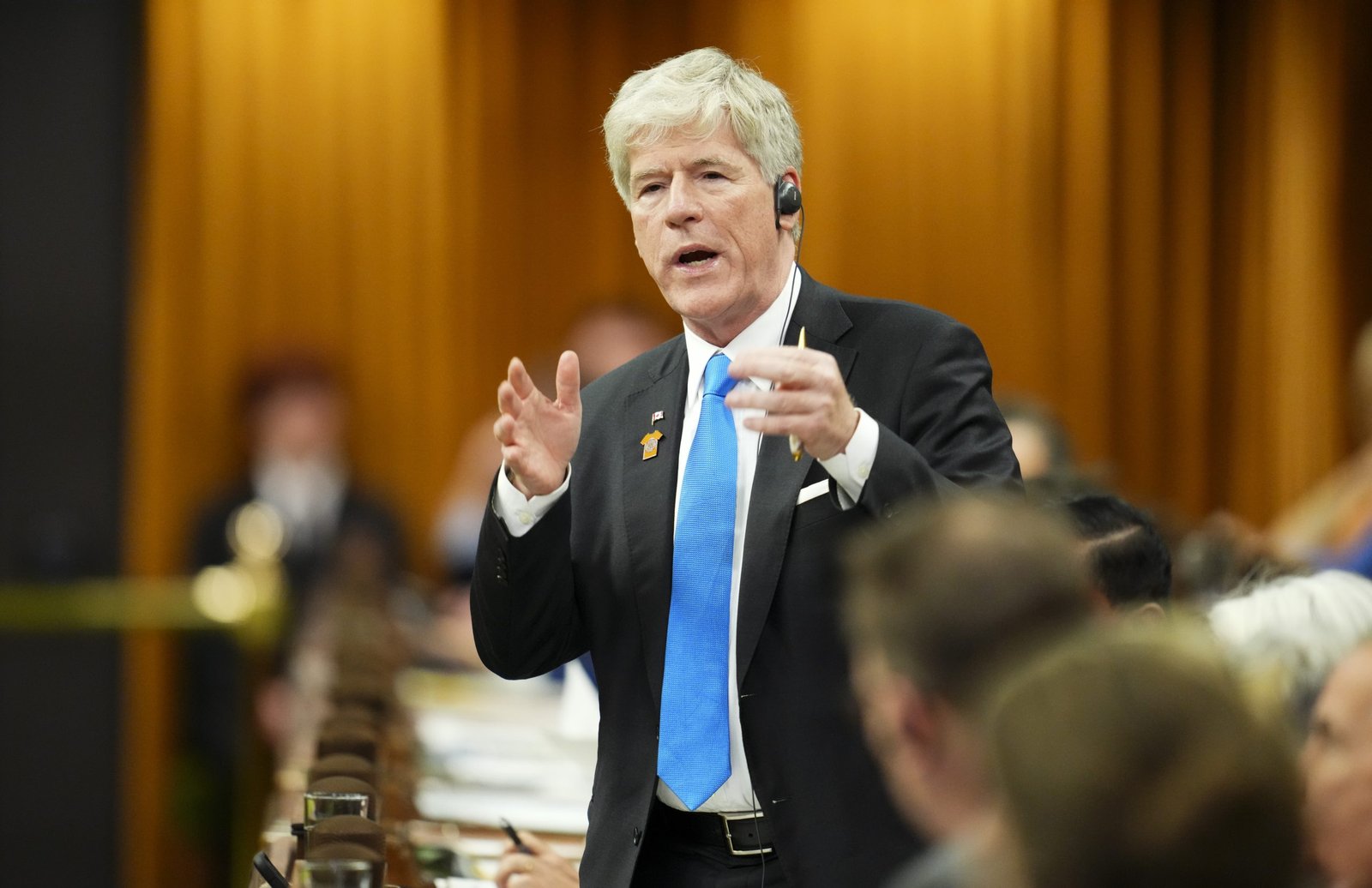
Energy efficiency standards has saved Canadians billions. Now, the government says tougher standards on everyday appliances could help keep both emissions and hydro bills from spiking.
Ottawa’s bet is simple: if everything is about to run on electricity, it better run efficiently.
As Canada leans harder into electrification, the government says tougher standards on everyday appliances could help keep both emissions and hydro bills from spiking.
It’s one of the more powerful ways the federal government can alter energy consumption.
To that end, the Senate is continuing its review of Bill S-4, which updates 1995’s Energy Efficiency Act.
Energy Minister Tim Hodgson made an appearance at the Upper Chamber Tuesday to discuss the proposed amendments.
He talked about how the original legislation enabled Natural Resources Canada to set and enforce standards, while also creating the EnerGuide labelling.
He says the amendments will help Canadian households shift from carbon-based fuels to electricity.
“In 2025 alone, standards saved Canadians $10 billion, but Canadians’ lives have evolved dramatically since 1995, and our energy legislation must keep up to ensure families can fully realize the cost savings associated with energy efficiency,” Hodgson said in a statement sent to iPolitics.
The update is expected to save $1.4 billion annually by 2050, reduce emissions by three megatons, and power 540,000 households.
Currently, Canada’s energy consumption relies 30 per cent on electricity and 70 per cent on carbon-based fuels. Hodgson said the goal now is to flip the numbers around by ensuring efficient electrical appliances, air conditioners, furnaces, heat pumps usage to net zero.
Hodgson was accompanied by a team of staff including Loreen Chung, Director of Equipment Division, Director General Office of Energy Efficiency Ben Kopp, and Jean Francois Roman, Legal Counsel of Natural Resources Canada.
READ MORE: Senate to debate bill aimed at modernizing the Energy Efficiency Act
The minister’s Senate appearance also comes at a time as the department gears up to announce the electricity strategy in the coming weeks, which set to reduce overall carbon footprint in Canada.
The bill’s amendment would essentially allow the government to develop new kinds of standards to fit into the modern era.
“As we implement these changes, we are committed to ensuring industry can provide input and other partners to align proposed changes with business realities,” Hodgson said.
While Senators broadly supported the goal, several raised concerns about potential regulatory overreach and pressed officials on how expanded inspection powers, particularly virtual inspections and increased data access, would address cybersecurity risks.
Hodgson said the shift to digital tools would make certain oversights more efficient and less burdensome, especially for small businesses in remote areas.
He added that tools would be deployed under a risk-based approach with existing data protection and compliance safeguards.
On a separate question, the minister clarified that while new regulations are still being developed, Canada will generally maintain national energy efficiency standards, with only limited, case-by-case regional variations.
Hodgson added the department will continue to hold “robust engagement” with stakeholders, both at the provincial and territorial level, NGOs and industries.