dailynewsnblog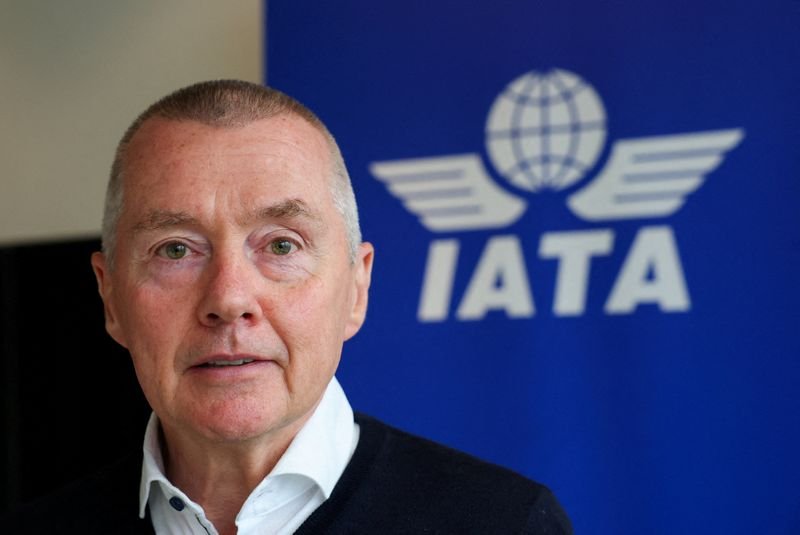
By Joe Brock
RIO DE JANEIRO, June 6 (Reuters) – Soaring jet fuel prices driven by conflict in the Middle East are likely to push more airlines into bankruptcy and spur more sector consolidation this year and next, the head of the global airline body said on Saturday.
Global airlines are grappling with higher fuel costs driven by the U.S. and Israel’s war with Iran, which has choked jet fuel supplies and disrupted key air corridors, forcing costly detours.
Budget carriers have been among the hardest hit, lacking higher margin revenue streams such as premium cabins, high-paying travelers and credit card loyalty programs.
The strain is already showing: U.S. budget airline Spirit Airlines collapsed last month, and it will not be the last, said Willie Walsh, director general of the International Air Transport Association, the industry’s main trade body.
“Unfortunately I think there will be some carriers that will find this high fuel price very difficult to cope with,” Walsh told Reuters at IATA’s annual summit in Rio de Janeiro, adding he expects some airlines to go out of business and others to be acquired by larger carriers.
Even so, the pressure does not spell the end of the low-cost airline model, which continues to thrive outside the United States, where the big three carriers, United Airlines, Delta Air Lines and American Airlines, are squeezing out budget competitors, Walsh said.
“I don’t see that the low-cost model is broken, in fact, quite the opposite,” he said, highlighting Ryanair’s strong performance in Europe as an example.
There is one blockbuster deal Walsh does not see happening: United Airlines CEO Scott Kirby’s audacious proposal to buy arch rival American Airlines and create a U.S. aviation behemoth. The idea, which surfaced earlier this year, failed to get done despite Kirby raising it with President Donald Trump.
“I don’t think that’s going to happen. I think the regulatory hurdles would be very significant. I don’t know whether that was a genuine effort to pursue consolidation or Scott just trying to stir up some media,” Walsh said.
MIDDLE EAST AIRLINE WOES
The Iran conflict has upended traffic flows through Middle Eastern hubs such as Dubai, Doha and Abu Dhabi, creating acute challenges for Gulf carriers including Emirates, Qatar Airways and Etihad.
Walsh said he didn’t think the conflict would do permanent damage to the Gulf as an aviation hub given its strategic geographic importance and the value of the popular Gulf carriers, which account for 14% of global capacity.