dailynewsnblog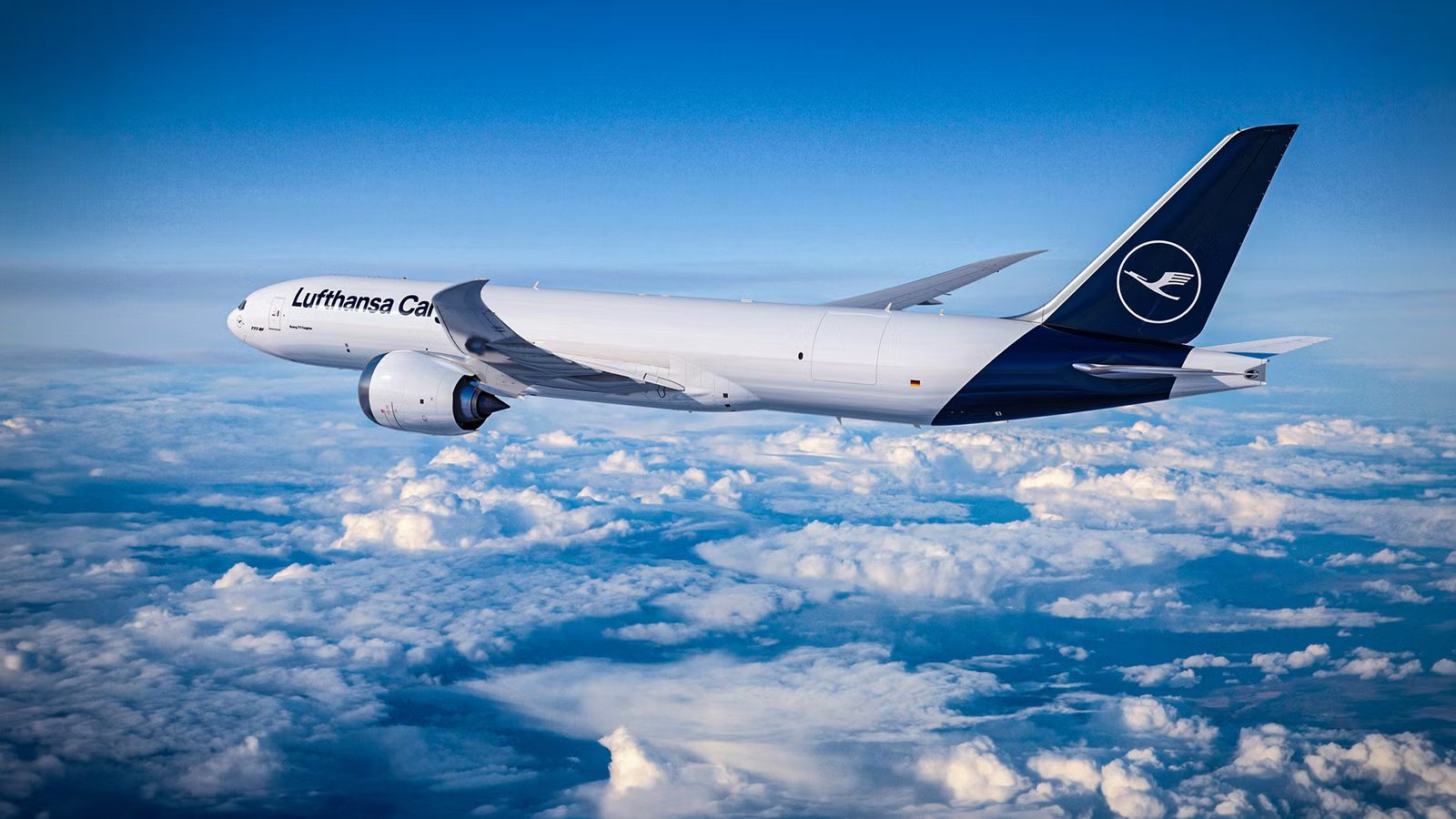
When Lufthansa Group announced a new engine order from GE Aerospace, it appeared to be a routine fleet investment. In reality, the purchase offers a glimpse into how major cargo airlines are preparing for the industry’s next phase. The order includes GE9X engines for future Boeing 777-8 Freighters as well as GE90 engines for aircraft already in service, reflecting Lufthansa Cargo’s effort to modernize its fleet while maintaining operational stability. The strategy comes at a time when airlines are facing delayed aircraft deliveries, evolving environmental regulations, and continued uncertainty in global freight markets.
The combination of next-generation and current-generation engines highlights the challenge of balancing long-term efficiency goals with immediate business needs. While newer aircraft promise lower fuel consumption and reduced emissions, replacing cargo fleets is rarely a quick process. Freighters typically remain in service for decades, and operators often need to maximize the value of existing assets while waiting for new aircraft to arrive. Lufthansa’s dual-engine order demonstrates how cargo carriers are increasingly investing in both future technology and present-day capacity, ensuring they remain competitive today while preparing for a more fuel-efficient tomorrow.
Lufthansa Cargo Is Preparing For A New Generation Of Freighters

Lufthansa Cargo’s long-term fleet plans are centered on the 777-8 Freighter, a model that has attracted interest from several major cargo operators despite not yet entering commercial service. The aircraft is derived from the 777X passenger family and is designed to replace older large freighters with a platform that offers greater efficiency and lower operating costs.
The German carrier announced plans to acquire seven examples of the aircraft as part of a broader fleet renewal effort. While the first deliveries are expected later in the decade, those aircraft are intended to become the backbone of Lufthansa Cargo’s intercontinental freight operations, particularly on high-volume routes linking Europe with Asia and North America.
The 777-8F occupies an important position in the cargo market because it combines the payload capabilities of large twin-engine freighters with technologies developed for Boeing’s newest generation of long-haul aircraft. The model is expected to carry a payload of approximately 260,000 lbs (118,000kg) while offering improved economics compared with older freighters currently operating around the world.
The GE9X Represents The Next Step In Engine Development

Powering Lufthansa Cargo’s future 777-8 Freighters will be the GE9X, the most powerful commercial aircraft engine currently in production and the successor to the highly successful GE90 family. Developed exclusively for Boeing’s 777X program, the engine was designed to deliver substantial improvements in efficiency while maintaining the thrust required for long-haul missions. One of its most notable features is its massive fan diameter of 134 inches (3.4 m), making it the largest commercial jet engine ever built and surpassing the GE90-115B that powers today’s 777F fleet.
The GE9X incorporates several advanced technologies intended to improve performance and reduce operating costs. These include fourth-generation carbon-fiber composite fan blades, a lighter composite fan case, and ceramic matrix composite components that can withstand higher temperatures than traditional metal alloys. The engine also features a bypass ratio of approximately 10:1 and an overall pressure ratio exceeding 60:1, helping deliver up to a 10% improvement in specific fuel consumption compared with the GE90-115B. For cargo operators, these gains translate into lower fuel burn, reduced emissions, and improved economics on long-haul routes.
Specification | Value |
|---|---|
Fan Diameter | 134 inches (3.4 m) |
Maximum Takeoff Thrust | 105,000 lbf (467 kN) |
Fan Blades | 16 fourth-generation carbon-fiber composite blades |
Bypass Ratio | Approximately 10:1 |
Overall Pressure Ratio | Greater than 60:1 |
Engine Length | 287 inches (7.3 meters) |
Dry Weight | Approximately 21,230 lb (9,630 kg) |
Fuel Burn Improvement vs. GE90-115B | Up to 10% lower specific fuel consumption |
Although certification and development of the GE9X have taken longer than originally expected due to delays affecting Boeing’s 777X program, the engine remains a cornerstone of the aircraft’s value proposition. For Lufthansa, ordering the engines well ahead of its first 777-8F deliveries helps secure long-term support and spare-engine availability while positioning the carrier to benefit from the efficiency gains offered by one of the most technologically advanced commercial powerplants ever developed.
Existing 777 Freighters Will Continue To Play A Critical Role

While attention naturally focuses on the future fleet, Lufthansa’s simultaneous purchase of GE90 engines sends an equally important message. The airline is not preparing for an immediate transition away from its current 777F fleet.
Catch what other flight trackers miss
Emergency squawks, holds, NOTAMs — live signals, no signup.
Open tracker
Catch what other flight trackers miss
Emergency squawks, holds, NOTAMs — live signals, no signup.
Open tracker
The 777F remains one of the most capable freighter aircraft in service today. Since entering commercial operations in 2009, the type has become a favorite among cargo airlines for its combination of range, payload, and reliability. The aircraft has a maximum payload of 103,000 kg (227,076 lb) and can connect major cargo hubs across continents without requiring intermediate stops.
Because replacement aircraft are not arriving in significant numbers anytime soon, operators continue to invest heavily in existing fleets. Purchasing additional engines ensures that aircraft remain available for service while minimizing disruptions caused by maintenance events. For Lufthansa Cargo, maintaining high dispatch reliability is particularly important given the time-sensitive nature of many shipments, including pharmaceuticals, industrial components, and express freight.
Environmental Pressures Are Increasing Across Europe

The economic argument for more efficient aircraft extends well beyond fuel savings. Across Europe, regulators have steadily increased pressure on airlines to reduce their environmental footprint, making fleet modernization an increasingly important business decision. While fuel remains one of the largest expenses for cargo carriers, emissions-related costs are becoming a growing consideration as governments introduce measures aimed at decarbonizing the aviation sector. For operators that fly long-haul networks, even modest improvements in fuel efficiency can generate substantial savings while also reducing exposure to future regulatory costs.
One of the most significant policies affecting European aviation is the European Union Emissions Trading System (EU ETS), which requires airlines to account for carbon dioxide emissions produced on covered flights. Recent reforms have accelerated the phase-out of free emissions allowances previously granted to carriers, meaning airlines must increasingly purchase credits on the carbon market. As carbon prices fluctuate and the availability of free allowances declines, operating older, less-efficient aircraft becomes more expensive. Aircraft capable of burning less fuel per flight not only reduce operating costs but also lower the emissions liabilities associated with each journey.
Simultaneously, the industry is preparing for broader sustainability initiatives, including the rollout of Sustainable Aviation Fuel (SAF) mandates under the European Union’s ReFuelEU Aviation framework. The regulation requires fuel suppliers to gradually increase the proportion of SAF available at European airports over the coming decades. While SAF is expected to play a crucial role in reducing aviation emissions, it remains significantly more expensive than conventional jet fuel. For Lufthansa Cargo, investments in aircraft such as the Boeing 777-8 Freighter and engines like the GE9X are therefore about more than environmental performance. Lower fuel consumption helps reduce both fuel and emissions-related costs, providing a financial advantage as the regulatory environment becomes increasingly focused on carbon reduction.
The Air Cargo Industry Is Facing A Transitional Period

 Lufthansa‘s approach reflects wider trends affecting the global cargo market. The pandemic years created unprecedented demand for air freight, prompting airlines to expand fleets and order additional aircraft. As markets normalized, carriers found themselves managing a more complex environment characterized by fluctuating demand, geopolitical uncertainty, and supply-chain disruptions.
At the same time, manufacturers have struggled to maintain production schedules. Delays affecting both aircraft and engine programs have forced airlines to reconsider retirement plans for existing fleets. Many aircraft that were originally expected to leave service this decade are now likely to remain operational for considerably longer.
This environment has created strong demand for aftermarket support, maintenance services, and replacement engines. Airlines are increasingly viewing spare engines not merely as maintenance assets but as strategic investments that help maximize aircraft availability and operational resilience.
Why The Dual Engine Order Matters

Viewed in isolation, an order for 18 aircraft engines might seem relatively routine compared with the purchase of new aircraft. Yet the mix of engines selected by Lufthansa provides insight into how major airlines are thinking about the future. The GE9X portion of the order is clearly aimed at long-term efficiency improvements and lower emissions. It aligns with Lufthansa’s plans to introduce more advanced aircraft capable of reducing fuel consumption on some of the world’s busiest cargo routes.
The GE90 portion addresses a different challenge: ensuring that today’s fleet continues generating revenue while tomorrow’s aircraft remain years away from delivery. Rather than choosing between current operations and future sustainability goals, Lufthansa is investing in both simultaneously.
As airlines navigate a period marked by delivery delays, environmental regulation, and evolving freight demand, similar strategies are likely to become increasingly common. Lufthansa’s purchase illustrates that fleet modernization is no longer simply a matter of replacing old aircraft with new ones. Instead, it has become a multi-layered exercise in managing risk, preserving capacity, and preparing for a lower-emissions future without compromising present-day performance.