dailynewsnblog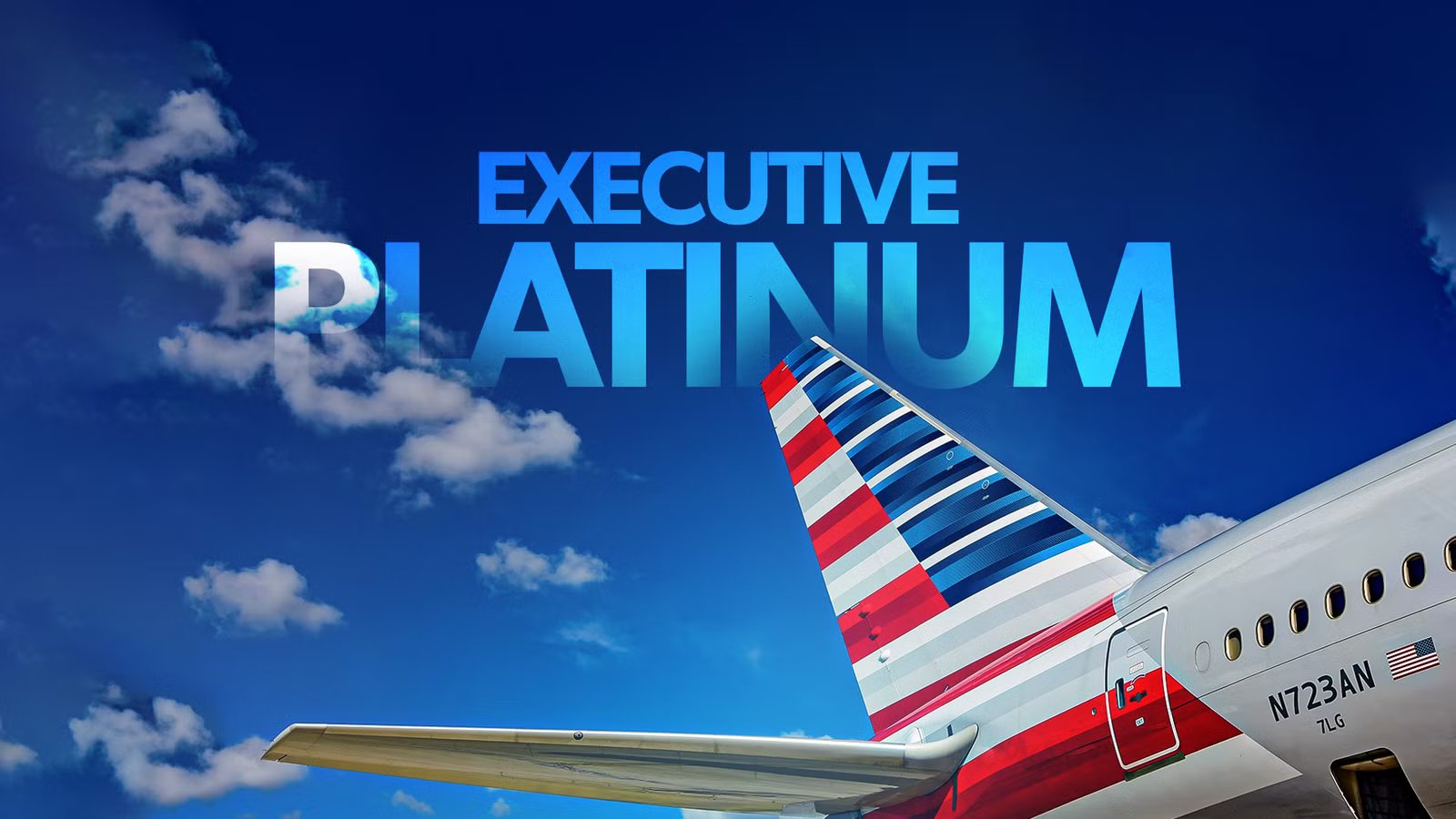
Back in the 1980s,  American Airlines launched AAdvantage, the first modern airline frequent flyer program. The idea proved very successful and quickly spread across the industry. Airlines around the world, particularly full-service carriers, introduced their own programs. More than four decades later, loyalty programs have become one of the most important parts of the airline business. They help airlines attract and retain customers in highly competitive markets, even when passengers may have access to cheaper fares or more convenient schedules elsewhere. They have also become significant revenue generators.
Over the past decade, airlines have continued to adapt their programs to changing consumer behavior, and many have introduced new ways to earn rewards and status beyond simply spending time in the air. American is one of the most prominent examples. In recent years, the carrier has made a series of changes to AAdvantage, introducing a system that allows members to earn elite status through a much wider range of activities. Indeed, that has changed who reaches the top of the program today and, in many respects, what it means to be a frequent flyer.
AAdvantage Has Changed Significantly Since 1981

Today, AAdvantage is one of the largest airline loyalty programs in the world, with more than 115 million members. The  oneworld alliance member launched the program on May 1, 1981, as a way to reward frequent flyers for their loyalty. Initially, it was available by invitation only, and in its early years, it was relatively simple, focusing mainly on discounted fares and special offers. As American increasingly recognized the value of customer loyalty and looked for new ways to distinguish itself from competitors, it continued to expand the program and add new benefits.
One of the most significant developments was the introduction of elite status tiers, which gave customers additional incentives to keep flying with the airline. The carrier also expanded the program beyond flying by adding partnerships with companies offering complementary travel services, including car rentals and other travel-related products. More recently, in 2022, American fully transitioned AAdvantage to a Loyalty Points-based model, moving away from a mileage-based qualification and toward one that rewards spending and earning activity across the program.
Catch what other flight trackers miss
Emergency squawks, holds, NOTAMs — live signals, no signup.
Open tracker
Catch what other flight trackers miss
Emergency squawks, holds, NOTAMs — live signals, no signup.
Open tracker
Under this model, members earn Loyalty Points through eligible AAdvantage earning activities, including flights with American Airlines, oneworld partners, and other participating partners. Explaining the change, American’s Chief Customer Officer Alison Taylor said, “The past few years have taught us that loyalty is not one-size-fits-all — it comes in different forms. We recognize the path to earning status is different for each individual, which is why we’re giving members more ways to earn Loyalty Points.”
You No Longer Need To Fly Constantly To Earn Executive Platinum Status

For decades, airline loyalty programs were built around flying. Miles flown were the core currency, and elite status was largely determined by distance traveled or the number of flights completed. In those days, spending played a much smaller role, and a passenger flying thousands of miles each year would generally progress faster than someone who rarely boarded an aircraft. That model has gradually disappeared across much of the airline industry.
Airlines have increasingly expanded their loyalty businesses through co-branded credit cards, hotel partnerships, shopping portals, dining programs, and other non-flying activities. American’s current Loyalty Points system reflects that shift. Today, members can earn Loyalty Points through flights with American Airlines and its partners, but also through AAdvantage eShopping, SimplyMiles, AAdvantage Dining, American Airlines Vacations, and spending on eligible co-branded credit cards.
American Airlines AAdvantage Elite Status Requirements | |
|---|---|
Status Tier | Loyalty Points Required |
Gold | 40,000 |
Platinum | 75,000 |
Platinum Pro | 125,000 |
Executive Platinum | 200,000 |
American currently offers four elite tiers: Gold, Platinum, Platinum Pro, and Executive Platinum. Unlike traditional frequent flyer programs, there is no minimum flying requirement attached to those status thresholds. As a result, a member can theoretically earn Executive Platinum status without ever stepping onboard an American Airlines flight, provided they generate enough qualifying points through the wider AAdvantage ecosystem.
The Perks That Come With Executive Platinum

Indeed, the shift to a Loyalty Points-based qualification system may have changed how Executive Platinum is earned, but it did not reduce the value of the highest published tier. Executive Platinum remains one of the most rewarding statuses in the airline’s loyalty program and comes with a wide range of benefits both on the ground and in the air. One of the biggest advantages is upgrade priority. Executive Platinum members receive the highest priority for complimentary upgrades on eligible North American flights, including award tickets.
Members can also receive complimentary upgrades for one companion traveling on the same reservation and are eligible for upgrades on  Alaska Airlines flights. In addition, the status also comes with a 120% mileage bonus when flying with American Airlines and select partner carriers. Furthermore, Executive Platinum members receive three free checked bags on American and Alaska Airlines flights, Group 1 boarding, priority check-in, and access to priority security lanes where available. They can also select preferred and extra-legroom seats at no additional cost and receive complimentary same-day flight changes.
Additionally, when traveling on eligible itineraries, members gain access to premium lounges, including American’s Flagship Lounges and select oneworld first class lounges. In addition to these perks, they can also unlock additional Loyalty Point Rewards after reaching the 200,000-point threshold. Beginning at 250,000 Loyalty Points, members can choose from rewards such as system-wide upgrades, bonus AAdvantage miles, World of Hyatt Explorist status, trip credits, Admirals Club membership options, gifts of AAdvantage Gold status, and other benefits. Members can continue earning additional rewards as they reach higher milestones, up to five million points.
AAdvantage Is Worth Billions To American Airlines

For travelers, loyalty programs are mainly associated with benefits such as free flights, upgrades, lounge access, and priority services. For airlines, however, they have become multi-billion-dollar businesses that generate substantial and often highly predictable revenue. According to The Wise Marketer, loyalty programs at major US airlines now account for between 7% and 10% of total revenue, with margins that frequently exceed those generated by flight operations.
In 2025, American generated nearly $7.55 billion in revenue from its loyalty program, according to a report by Statista. Furthermore, at the beginning of the first quarter of 2026, the carrier’s exclusive and expanded co-branded credit card partnership with Citi took effect, and the airline reported record card acquisitions during the period. It also reported a 9% year-over-year increase in co-branded credit card spending.
Furthermore, its growing importance is also reflected in its overall value. AAdvantage is currently valued at roughly $24 billion, and American continues to see strong growth in membership. During the first quarter of 2026, AAdvantage enrollments reached record levels, increasing 25% year-over-year.

American Airlines’ Status Match Will Give You Better Status Than You Hold
The offer is valid through October 31, 2025.
Airline Loyalty Programs Face Increasing Oversight

Undoubtedly, loyalty programs have become increasingly important to airlines, but their rapid growth has also raised concerns among regulators. In 2024, the US Department Of Transportation launched an investigation into airline loyalty programs and sent letters to American Airlines,  Delta Air Lines,
  Southwest Airlines, and
  United Airlines requesting detailed information about their rewards programs, policies, and practices.
The agency said it wanted to better understand how consumers are affected when airlines devalue rewards, use dynamic pricing models, or introduce additional fees that impact the value of earned points and miles. At the time, then US Transportation Secretary Pete Buttigieg said, “Points systems like frequent flyer miles and credit card rewards have become such a meaningful part of our economy that many Americans view their rewards points balances as part of their savings.
“These programs bring real value to consumers, with families often counting on airline rewards to fund a vacation or to pay for a trip to visit loved ones. But unlike a traditional savings account, these rewards are controlled by a company that can unilaterally change their value. Our goal is to ensure consumers are getting the value that was promised to them, which means validating that these programs are transparent and fair.” Other regulators, including the Consumer Financial Protection Bureau and state attorneys general, have also examined aspects of loyalty program practices in recent years.
Loyalty Is No Longer Measured Only In Miles

Whether regulators ultimately conclude that airline loyalty programs are sufficiently transparent remains to be seen. What is already clear is that loyalty programs have become a major part of the airline business, and carriers continue to invest heavily in them. American Airlines is no exception, with AAdvantage now sitting at the center of the airline’s broader customer engagement strategy.
The current system looks very different from the one many long-time travelers will remember. Under the previous AAdvantage qualification structure, members were required to earn a combination of Elite Qualifying Dollars (EQDs) and either Elite Qualifying Miles (EQMs) or Elite Qualifying Segments (EQSs) to reach elite status. Today, members can earn Loyalty Points through a much wider range of activities, including hotel bookings, vacation packages, dining transactions, shopping portal purchases, SimplyMiles offers, and spending on co-branded credit cards.
For passengers, that means there is no longer a single route to Executive Platinum. Some members may still earn the status primarily through flying, while others may achieve it through a combination of travel, everyday spending, and partner activity. More importantly, it has fundamentally changed what the term “frequent flyer” means.