dailynewsnblog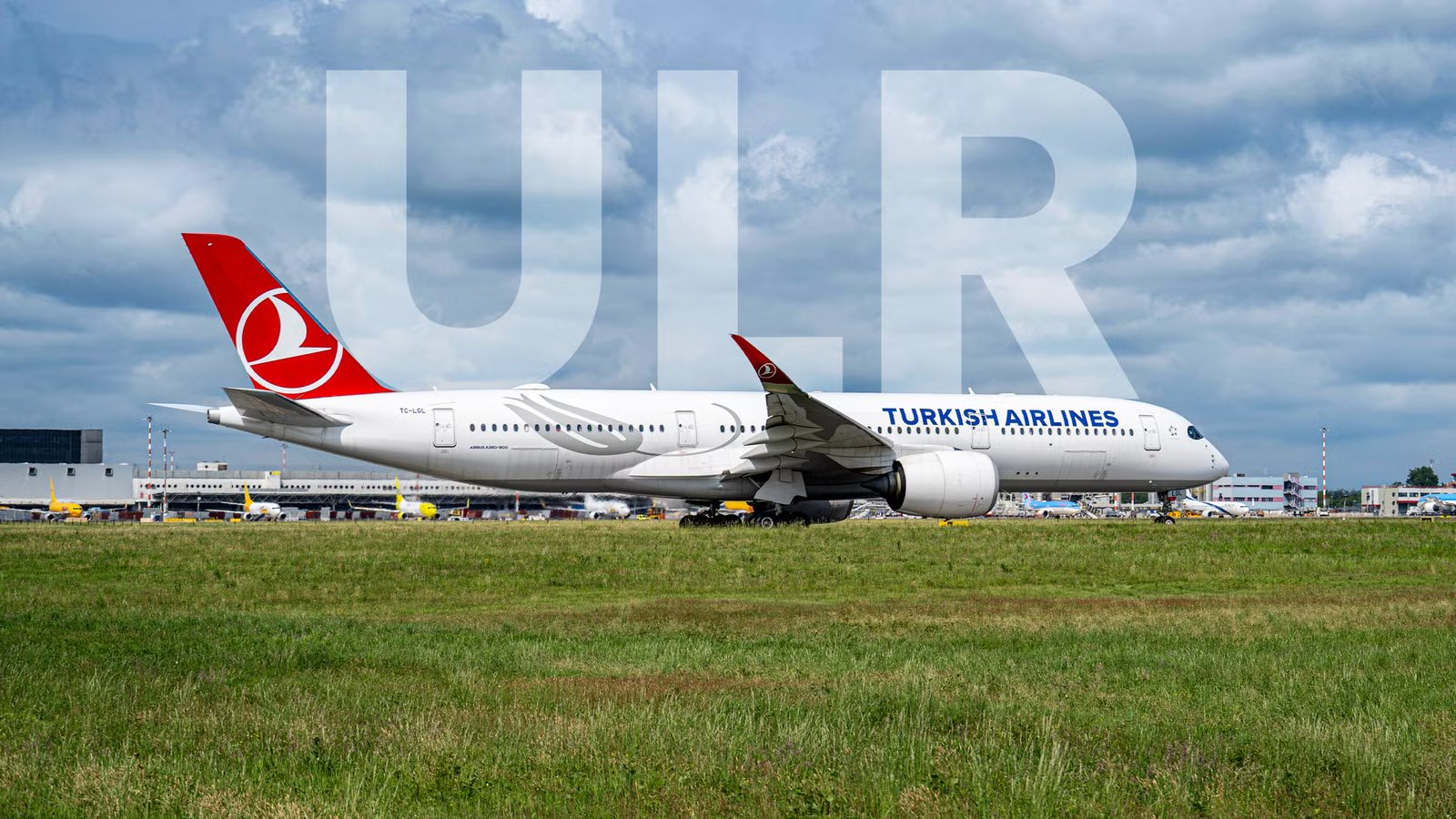
 Turkish Airlines is in the process of finalizing a transformative fleet roadmap that shifts its global footprint into the ultra-long-haul arena. Under the newly appointed leadership of Prof. Dr. Murat Şeker, the Istanbul-based carrier is pushing forward with plans to establish nonstop connectivity to the Australian continent by the end of 2027. This guide looks into the technical configurations, delivery timelines, and fleet growth objectives that underpin this milestone, detailing how the airline intends to skip traditional intermediate stopovers to capture high-yield premium traffic.
Global supply chains continue to experience unprecedented disruptions, and international carriers now face severe constraints in capacity deployment and fleet renewal. Turkish Airlines has been able to work around these original equipment manufacturer bottlenecks by restructuring its order books and tailoring its long-term strategy around highly specialized airframes. Achieving nonstop flights across vast distances takes some thorough planning, which is exactly what Turkish has done.
Rapid Fleet Growth On The Way

The long-term operational objective for Turkish Airlines revolves around expanding its total fleet to 800 aircraft by 2033, a fitting gift for its 100th anniversary. Despite severe industrial delays gripping major aerospace manufacturers, the carrier has maintained a steady trajectory, expanding its active inventory from 512 frames to 540 frames, with a firm projection to reach 560 operational aircraft by the conclusion of 2026.
To mitigate the current widebody delivery bottlenecks from Airbus, the carrier has flattened its intermediate intake, accepting only three widebody aircraft throughout 2026. The more conservative operational buffer sets up a heavily backloaded delivery curve, with widebody arrivals scaling up to ten aircraft in 2027, followed by 17 widebody aircraft scheduled to arrive in 2028. Turkish is smoothing out its short-term capacity targets, avoiding the compounding financial liabilities associated with groundings while still enabling a predictable path for fleet renewal.
Maintaining discipline here ensures that the airline can maintain its market share across highly competitive sectors without overextending its logistical infrastructure. Rather than relying on short-term damp leases or keeping inefficient, aging sub-fleets active past their economic utility, the carrier is instead positioning its capital expenditure to absorb these custom-engineered widebodies as soon as they roll off the assembly line. It also allows engineering and crew training sectors to align completely before the massive delivery influx begins.
Skipping Over The Stopovers

The 9,300 miles (14,967 km) separating the Istanbul hub from eastern Australia is a distance that lends itself to a heavily modified Airbus A350-1000, the ULR variant. Turkish Airlines has locked in a definitive timeline to commence nonstop operations to Sydney by the end of 2027, thanks to an order of 15 A350-1000 airframes, eight of which are ULR variants. The first of the A350-1000 order is scheduled for delivery in July 2027, with the third airframe arriving by December 2027, with the necessary equipment to launch reliable, scheduled nonstop service.
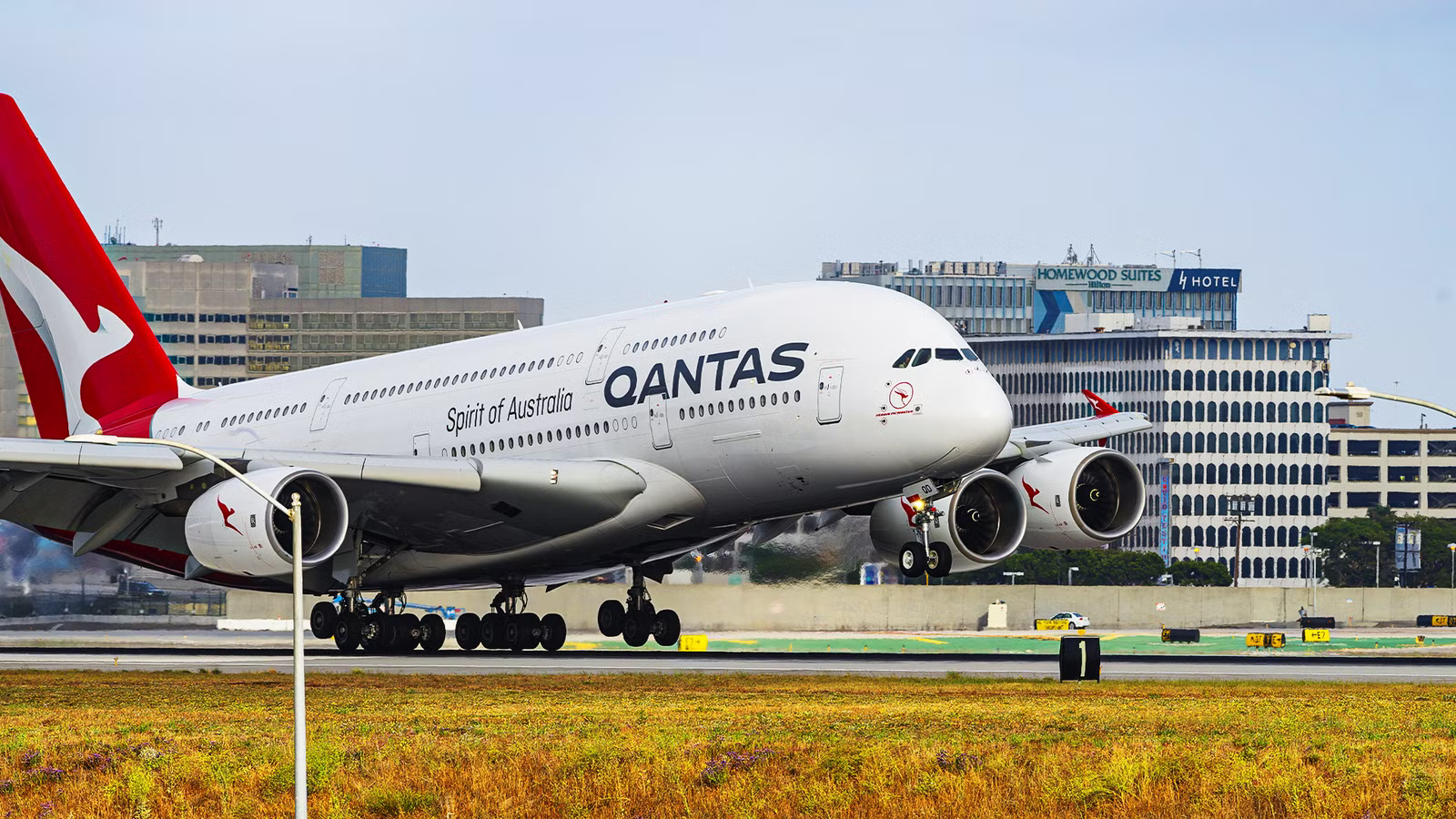
The viability of this nonstop operation depends on an ongoing engineering certification campaign conducted by Airbus to get the aircraft in service. The first ULR variant took flight in early June, with Qantas ready to take delivery in early 2027 and ready to unleash this ultra-range project to the world. Prof. Dr. Murat Şeker noted that while operational feasibility is fully secured, the business side requires absolute finalization regarding the exact fuel-to-cargo ratios before the inaugural flight takes off.
Milestone Date | Strategic Fleet Development Stage | Operational Planning Relevance |
December 2023 | Finalization of the initial 15 Airbus A350-1000 order | Establishes the core asset base for future ultra-long-haul operations |
June 2026 | Initial certification flight testing of modified A350 systems | Validates the aerodynamic and fuel system architecture changes required for long flights |
July 2027 | Anticipated delivery of the A350-1000 frame | Triggers the formal training, proving runs, and route finalization phase |
December 2027 | Scheduled delivery of the third custom widebody airframe | Provides the fleet depth required to launch nonstop Istanbul-to-Sydney service |
As shown in the chronological progression above, the rollout milestones for these long-haul assets depend directly on this regulatory timeline. Qantas’ Project Sunrise has already seen delays from its original scheduled commencement, and so Turkish will be hoping that the same is not true for its order.
Exclusive: Turkish Airlines Targets Nonstop Istanbul-Sydney With Airbus A350-1000s In 2027
While the carrier has its ultra-long-haul sights set, it is also mulling an expansion in the US.
Cutting Seats For Range

Operating a flight that approaches 19 hours of continuous block time means completely changing the cabin from what would be expected on a standard long-haul configuration. To ensure economic viability, Turkish Airlines is using a premium-heavy setup that reduces overall passenger weight while maximizing high-yield revenue streams, like that of  Singapore Airlines with its A350-900ULR aircraft. The specialized ultra-long-range variant will feature an expansive 66-seat business class cabin, representing a significant density shift away from the 48 business class suites found on their standard, non-ultra-long-range A350-1000 configurations.
Catch what other flight trackers miss
Emergency squawks, holds, NOTAMs — live signals, no signup.
Open tracker
Catch what other flight trackers miss
Emergency squawks, holds, NOTAMs — live signals, no signup.
Open tracker
The reconfiguration addresses the delicate physics of ultra-long-haul operations, where excess passenger weight directly translates into prohibitive fuel burn penalization. Turkish is swapping out standard economy rows for spacious premium suites, which decreases the absolute payload weight, allowing the aircraft to carry additional fuel within its certified limits. Hitting these targets means the aircraft can comfortably achieve the necessary range across variable seasonal headwinds. At the same time, Turkish can begin targeting premium business and leisure travelers willing to pay a premium to shave five hours off traditional multi-stop itineraries.
The additional space allocated to the premium cabin also provides critical physiological benefits, allowing for enhanced galley layouts, specialized crew rest compartments, and optimized storage solutions necessary to sustain premium service standards over an extended period. It is a new way to approach creating a cabin, especially as these cabins are being designed for a type of route that has never before been possible.
Updating The Existing Inventory

To complement the extended flight times of its ultra-long-haul network, Turkish Airlines is introducing an entirely reimagined premium product designed by its in-house manufacturing subsidiary, TCI Aircraft Interiors. The new product line, designated as the Crystal Business Class Suite, is a major milestone for the carrier as it moves away from off-the-shelf seating platforms like the Stelia configurations currently flying on its widebody aircraft. The custom suite is scheduled to debut on a line-fit A350 by the end of 2026, becoming the benchmark cabin configuration for all future long-haul deliveries.
The layout of the Crystal Suite prioritizes absolute passenger privacy and personal space, featuring a fully closing sliding privacy door and direct aisle access for every passenger in a 1-2-1 layout. Ergonomic improvements include optimized legroom, lighter color palettes to enhance cabin warmth, and 22-inch (55.9-cm) high-definition entertainment screens. Turkish has made a smart move controlling the design and manufacturing pipeline internally through TCI, mainly because it helps avoid the ever-present external supply chain bottlenecks that frequently delay cabin certification for next-generation aircraft.
The introduction of these products is aimed at running alongside the extensive fleet modernization program, targeting the airline’s aging Boeing 777-300ER aircraft. These twin-engine widebodies, which average at 13 years of age, currently operate with an outdated 2-3-2 business class layout that lacks privacy and direct aisle access for center passengers. Retrofitting these older frames with the Crystal Suite allows Turkish to standardize its premium offerings across both Airbus and Boeing platforms, maintaining a uniform passenger experience across all long-range flight corridors.

AJet: What Do You Need To Know About Turkish Airlines’ Low-Cost Subsidiary?
The newly formed LCC has lofty goals to become a dominant force across the region.
Getting Its Future Underway

Moving a bit behind in the cabin, Turkish Airlines is also launching a dedicated premium economy cabin, reversing a decade-long absence from this highly profitable market segment. The new product tier is designed to close a critical product gap between the carrier and its primary rivals in Europe and the Gulf region. Recognizing that a substantial percentage of international travelers desire improved comfort but cannot justify the steep financial premium of a business class suite, the airline is engineering this mid-tier cabin to capture high-yield independent travel budgets.
The upcoming premium economy cabin will feature a dedicated zone consisting of 24 to 30 seats per aircraft, bringing an exclusive environment isolated from the main economy section. Also included are wider leather seats, increased pitch, improved dining options, and larger entertainment displays. Management noted that the previous iteration of premium economy was phased out years ago due to shifting market dynamics, but the current product has been meticulously researched to ensure optimal layout density and sustained profitability.
The operational integration of the premium economy cabin forms part of a multi-stage deployment schedule across the widebody fleet for all of the new products. The initial product launch for the business product will occur in 2027, followed by the inclusion of the premium economy product in 2028. Time is most definitely on its side, presenting Turkish with an opportunity to get its newest, and economically most critical, products built to the best of standards.
The Push To 100 Years

The Turkish flag carrier was put to the test by recent regional airspace disruptions, forcing a quick reallocation of its network capacity away from unstable corridors. With its highly diversified fleet, the airline successfully redistributed 6% of its overall available seat-kilometre capacity. Widebody assets were pulled from affected regions and deployed on high-demand sectors in East Asia, while narrowbody aircraft were redirected toward robust markets in Europe, Central Asia, and Africa.
The reallocation yielded impressive financial returns, keeping the airline from the negative fiscal impacts of local airspace closures. During March, April, and May, passenger load factors trended upward, and overall ticket yields across the repositioned sectors expanded. This strong yield environment provided a vital financial buffer against intense fuel price pressures, allowing the airline to absorb a temporary doubling of localized fuel costs in March without compromising its net operational profitability.
It shows, at the very least, that Turkish Airlines is in great hands in terms of its management. The airline has already fought unprecedented disruptions with strength and has outlined a future plan that places it in a very strong and relatively low-risk situation, as there is plenty of time for aircraft to be delivered and existing aircraft to be retrofitted. If Turkish can reach its centenary goal of 800 aircraft, then it can stand proud as an airline that can prove its worth as one that gets the job done, even when others across the industry face relatively bleak futures.