dailynewsnblog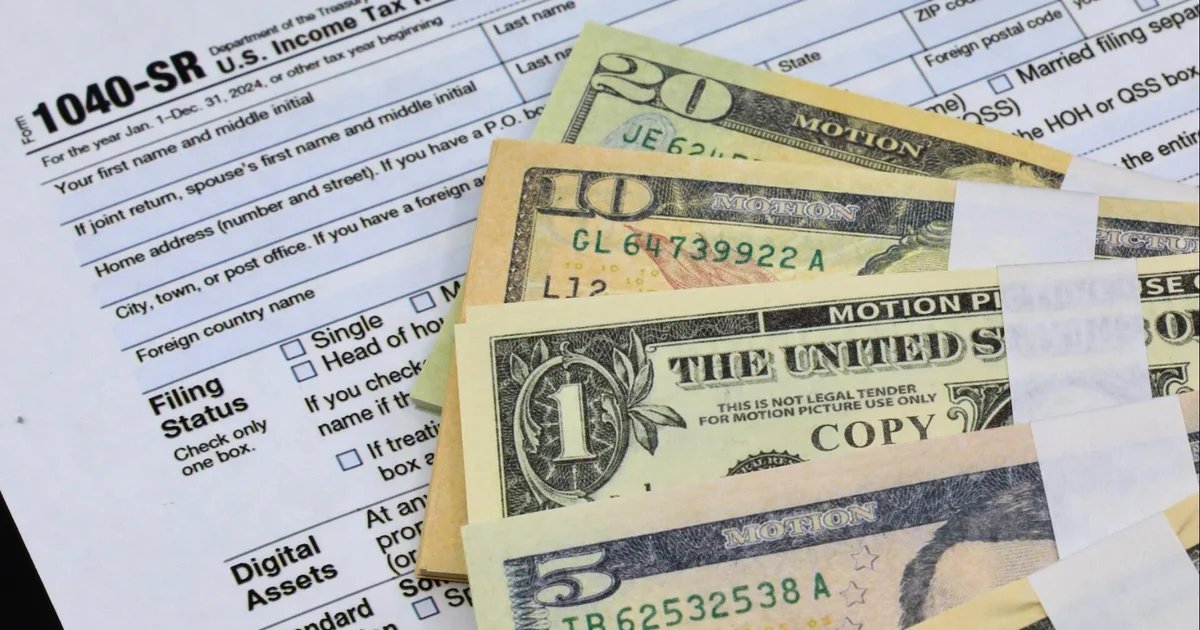
Tax refunds are shaping up to be supersized in 2026, thanks to the “big, beautiful bill” signed into law last summer by President Trump. And many Americans already have plans for how to use that money, according to new findings from Bank of America Global Research
The most common use of tax refunds — often the biggest check of the year for many households — is paying down debt, the research found.
About 36% of respondents to a Bank of America survey this month said they plan to use their IRS refund to pare their debt. Roughly 10% said they would make a major purchase or cover everyday expenses, while about 13% expect to put the money toward savings.
Household debt in the U.S. has hit new records in recent months, with Americans leaning more on credit cards for everyday expenses and taking out larger loans amid rising car and home prices. Despite the higher balances, this year’s plans echo prior years, when paying down debt was also a priority, Matt Schulz, chief consumer finance analyst at LendingTree, told CBS News.
During the 2025 tax season, about 34% of consumers told LendingTree they planned to use their refund checks to erase debt, he said.
“Going all the way back to the pandemic, when so many Americans used their government stimulus to pay down their debts, we’ve seen that people tend to do the right thing when they get a windfall,” he noted.
How big will refunds be?
Tax season 2026 is shaping up to provide an extra boost for millions of households, with Wall Street analysts estimating the typical check could be about 30% higher than a year ago. On a dollar basis, that would equate to an extra $1,000 in refunds, boosting the typical check to about $4,000.
So far, tax refunds are about 14% higher than at the same point last year, IRS data shows. Refund amounts typically rise as the season progresses because higher-income households — which often receive larger refunds — tend to file closer to the April 15 deadline.
Bigger refunds could help bolster the financial resilience of millions of households, with a Feb. 11 Bank of America Institute report finding that, from 2023 to 2025, low- and middle-income Americans tended to keep some of their refund money in their bank accounts for at least six months.
Still, not everyone is expecting a juicy refund check this year: About 32% of respondents in the Bank of America survey said they don’t expect to see any refunds from the IRS.



![24-Hour Flights: The Airbus A350’s 10 Ultra-Long-Haul Routes In 2026 [Map]](https://dailynewsnblog.com/wp-content/uploads/2026/06/363-finnair-airbus-a350-900-sergey-kustov-_-shutterstock.jpg)