dailynewsnblog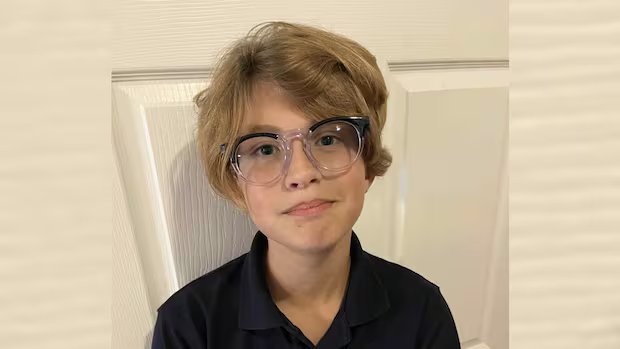

Listen to this article
Estimated 4 minutes
The audio version of this article is generated by AI-based technology. Mispronunciations can occur. We are working with our partners to continually review and improve the results.
Saskatchewan will soon require carbon monoxide alarms in all residential suites in multi-unit buildings in the province, as part of regulatory updates that the government is calling “Henry’s Law.”
The changes are named after 11-year-old Henry Losco, who died after a malfunctioning commercial boiler leaked the colourless, odourless gas into his family’s unit at a Regina apartment building in December.
Henry’s parents, Marina Hills and Sergio Losco, joined Minister of Government Relations Eric Schmalz and NDP MLAs Meara Conway and Erika Ritchie as the changes were announced on Tuesday.
“Our wish and our hope and our mission was to make sure that no more children die from carbon monoxide,” said Hills.
“This law, Henry’s Law, will help make sure that families and children are safe in their homes.”
The requirement for a CO alarm in all suites, regardless of location in the building, will apply to new construction and existing buildings effective Nov. 1, 2026.

Saskatchewan is moving to make carbon monoxide alarms mandatory in all residential suites in multi-unit buildings. The changes, known as Henry’s Law, are named after 11-year-old Henry Losco, who died from carbon monoxide poisoning in Regina in December.
Rapid change
Hills and Losco met with Premier Scott Moe on Tuesday morning before the news conference, when Moe offered his condolences.
“He was very sincere in the fact that nothing happens this fast in government. Government works slow and this happened extremely quickly,” said Hills.
Schmalz said the speed of the changes reflected the desire of parties on both sides of the legislature to work together for the betterment of the province.
This is Saskatchewan29:55Silent killer: Was a Regina carbon monoxide death avoidable?
Parents of an 11-year-old boy are leading the push for stricter laws and accountability after their son was killed in a carbon monoxide leak at their downtown Regina apartment. Smoke detectors seem like a no-brainer. Why aren’t carbon monoxide detectors treated the same way?
The safety of Saskatchewan people is not a partisan issue, he said.
The provincial politicians and Henry’s family held up green shirts with the phrase “#JusticeforHenryLosco.”
The decision to co-operate was inspiring and signals that “we are all human,” Hills said.
“We want to see people working together. We want change. We want laws that help save people and families and children.

“This was exactly what my son would have wanted to see, people working together, because that was my son.”
Saskatchewan to lead Canada
Schmalz said the changes will strengthen Saskatchewan’s regulations, which already exceed national building codes.
That means the province will lead Canada, he said, adding that he will bring Henry’s story to his provincial counterparts.
Saskatchewan previously updated its building standards in 2022, requiring all residential buildings in the province to have carbon monoxide and smoke detectors by July 1 of that year.
Before that, smoke alarms were only required in new residential buildings erected after 1988, and carbon monoxide alarms in homes built after 2009.

Henry Losco, 11, died from carbon monoxide poisoning in the Metro 1827 apartment building on Dec. 19. A CBC News investigation reveals a disturbing picture of what happened that day.
Schmalz was asked why the changes announced on Tuesday weren’t implemented back in 2022.
He said the government relied on the input of experts but decided to reflect on what could be done in the wake of Henry’s death.
“I don’t have a time machine. I don’t have a way to go back and change this, but we can change it now and we can prevent this from happening again in the future,” he said.
Schmalz confirmed the province consulted with Rental Housing Saskatchewan before the announcement and the landlords’ organization was on board with the new requirements.
“The safety of residents is something every housing provider takes seriously,” Rental Housing Saskatchewan CEO Landon Field said in a news release.
In a statement, Regina and Region Home Builders’ Association president Stu Niebergall said the organization also supports the changes.
“This is a targeted, practical measure that reflects how multi-unit buildings function today, where risks like carbon monoxide are not confined to a single unit,” he said.
“Enhancing detection across entire buildings is a meaningful step toward improving resident safety.”