dailynewsnblog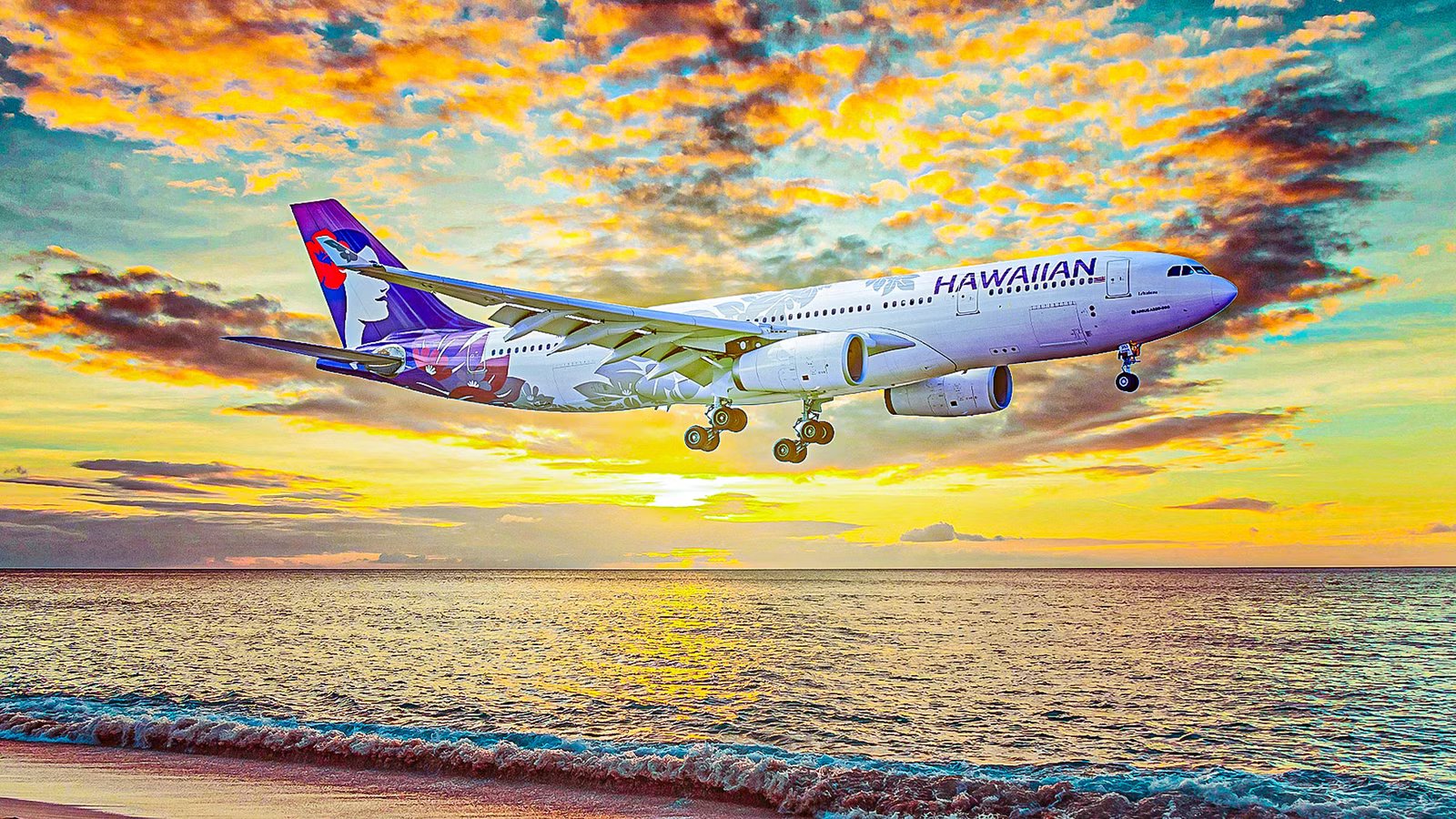
As of today, the IATA-allocated flight code for Hawaiian Airlines is to be retired, and the airline will now operate using Alaska Airlines’ code “AS”. This shift is part of the ongoing integration process between the two airlines, which originally began when Alaska Airlines acquired Hawaiian in late 2024.
Apart from that, today marks another important milestone for Hawaiian Airlines, as the carrier has officially joined the oneworld alliance. This, too, was planned as part of the integration process because Alaska is an existing member of the alliance, which means the two carriers being members of the same alliance will allow for smoother integration and better collaboration when it comes to offering joint networks and operations for customers.
Hawaiian To Operate Under “AS” Flight Code

Every airline has a flight code assigned by IATA and ICAO. Thus far, for Hawaiian Airlines, the codes were “HA” and “HAL” respectively. However, as per reports from One Mile At A Time, starting today, Hawaiian Airlines will begin using the “AS” IATA code, which belongs to  Alaska Airlines. This essentially means that going forward, flights operated by Hawaiian Airlines aircraft will have a flight number beginning with AS instead of HA, followed by a three or four-digit code.
While this does not make much difference for passengers, this change in flight code marks an important next step in Hawaiian’s integration with Alaska. Since the latter acquired Hawaiian in late 2024, the two carriers have been gradually unifying various processes and systems for efficiency purposes. This includes creating a unified loyalty program for the two carriers – Atmos Rewards, the carriers coming under a single Operating Certificate, unifying Hawaiian’s call sign with Alaska’s, and now unifying the flight codes.
As per the publication, the integration process of the two carriers is around 75% completed, with the next stage in the process to be completed in 2027, which includes the group needing “Joint Collective Bargaining Agreements (JCBA)” as the two carriers still have separate contracts for their work groups. Simple Flying has reached out to Hawaiian and Alaska Airlines for further comments.
Becoming The 16th Member Of oneworld

Today marks yet another milestone for Hawaiian, as the carrier becomes the 16th member of the global airline alliance,  oneworld. Considering that Alaska Airlines has been part of oneworld for the past five years, it was expected that Hawaiian would also be joining the alliance eventually.
With Hawaiian joining the alliance, the carrier’s passengers now gain global accessibility and several other practical advantages. These advantages range from gaining status on oneworld’s alliance-wide loyalty program, to enjoying lounge access at various airports around the world. Customers will also eventually enjoy reciprocal points earning when flying with partner airlines, and even use their miles and points to book award spaces on flights operated by other members of the alliance.
The entrance of Hawaiian is also a major connectivity boost for the alliance as a whole, due to the strong network the airline hosts in the Asia-Pacific region. Furthermore, this addition fits in well with the alliance’s growth plan. In the past year, the alliance has seen Fiji Airways, which was a oneworld connect member previously get promoted to being a full member of the alliance, shortly after which, the alliance gained its second carrier in the Middle East region, when Oman Air joined. Now this year, Hawaiian has joined oneworld, while the group could see an additional member if Starlux joins the alliance.

oneworld: Everything You Need To Know About The Star-Studded Airline Alliance
Discover the story of one of the greatest airline alliances in the world.
How Do These Alliances Compare?

Speaking of alliances, when considering airline partnerships at a global scale, two other alliances stand out alongside oneworld. These are  Star Alliance and
  SkyTeam. Each of these three groups includes airlines from all around the world, and therefore offers passengers of its members access to a truly global network.
As stated above, being part of such an alliance allows member airlines to offer their customers additional advantages such as reciprocal accrual and redemption of points or miles, access to alliance-specific airport lounges or lounges operated by partner airlines around the world, and booking award spaces on flights operated by other member carriers.
This would then stand to reason that the larger the alliance, the better the connectivity is, offered by members. However, this is not always the case, because there are regulations in place to prevent anti-competitive behavior, and there are also situations when members within a group might not want to work together, as seen in the case of Qantas choosing not to work with Qatar Airways, despite the two airlines being part of oneworld.