dailynewsnblog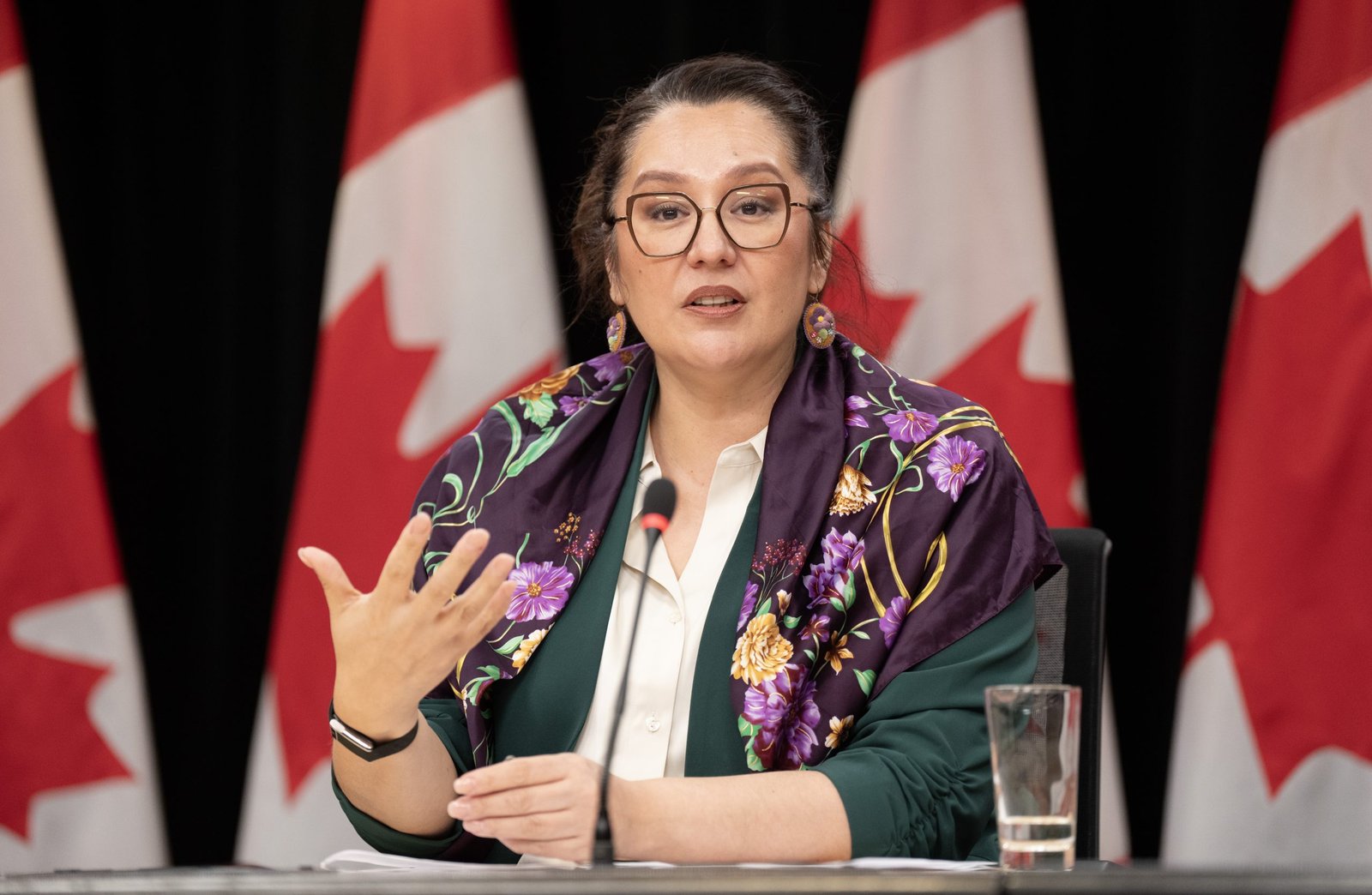
On Tuesday, the government formally petitioned the court for a six-month extension of the deadline to October 30, though the judge deferred a ruling. But a request to extend the deadline to next month to wait for the decision was granted after it was accepted by both parties, according to the lawyer representing the plaintiffs in the case.
The federal government has secured a brief extension of a court-imposed deadline to make changes to the Indian Act to restore status to those who had descendants that were enfranchised.
As iPolitics first reported last month, Ottawa gave notice it was preparing to move a motion to seek an extension to give Parliament more time to pass Bill S-2, which would make changes to comply with last year’s B.C. court decision.
That decision, known as the Nicholas ruling, gave Ottawa until the end of April 2026 to make changes to restore status to the descendants of enfranchised First Nations peoples.
On Tuesday, the government formally petitioned the court for a six-month extension of that deadline to October 30, though the judge deferred a ruling.
But a request to extend the deadline to next month to wait for the decision was granted after it was accepted by both parties, according to the lawyer representing the plaintiffs in the case.
Ryan Beaton, a partner at Juristes Power Law, told iPolitics the government argued in its application that more time was needed because the Senate made changes to S-2 that would end the second-generation cutoff, a rule that denies Indian status to people who had a non-First Nation parent and grandparent.
READ MORE: Feds expected to seek extension of court deadline on Indian Act changes
Indigenous Services Minister Mandy Gull-Masty said she supports changing the policy, but needs to consult with First Nations before proceeding.
Beaton said it’s unclear how the court will rule on the six-month extension, but said the government didn’t offer a convincing argument that they would be able to pass S-2 by the end of October.
“I would not say that Canada seemed particularly confident that would be done by that [date]. One point we made to the court is that they hadn’t met their burden to show they were likely to get things done in the six months. And it’s a good chance if they get the six months, they’ll be back in six months asking for more,” he told iPolitics in an interview on Thursday.
Gull-Masty’s office didn’t immediately respond to a request for comment on Friday.
The government has argued against having the ruling go into effect without legislation because the decision would only apply in B.C.
But Beaton said the government already conceded the rules are unconstitutional and the Indian Act registrar wouldn’t comply with laws that are not compliant with the Charter.
In a statement to iPolitics last month, a spokesperson for Indigenous Services Minister Mandy Gull-Masty refused to comment on the court case, but said the second-generation cutoff is a “critical and deeply personal issue that must be addressed in the right way.”
The statement noted the minister formed an advisory committee earlier this year to “determine the legal feasibility of the proposed solutions” to the cutoff, with this work expected to be completed by the end of the month. Once that’s done, the federal government will “launch formal consultations with rightsholders” on the issue.
Amendments to the Indian Act made in 1985 ended the practice of enfranchisement, whereby First Nations people who wanted to own land, vote or enjoy other rights had to give up their status. But it didn’t allow people whose ancestors were enfranchised to obtain status or pass it down to their descendants.
The Liberals introduced legislation in 2022 to repeal this rule but it died on the order paper when Parliament was prorogued in early 2025.
Then last summer, the B.C. Supreme Court struck down the existing rules for violating the Charter and ordered the government to restore status to descendants of those had been enfranchised.
The Liberals responded by introducing legislation to do just that in the Senate last year. Bill S-2 was virtually identical to the previous legislation brought in by the Trudeau government — at least at first.
But senators amended the bill to end the second-generation cutoff, and allow status to be passed on to a child if at least one of their parents were recognized as having status.
That revamped version of S-2 has crawled through the House since it was passed by the Senate in December.
It was only moved to second reading in February, despite the looming court-imposed deadline, and it’s not even next in line for study at the relevant committee.
Critics have accused the Liberals of deliberately delaying movement on the bill to create a time crunch for Parliamentarians, hoping the Senate would blink and accept the government removing their changes to the second-generation cutoff to comply with the Nicholas ruling.
Even with the approved one month extension, the Liberals could have more breathing room on handling the bill in the House.
That’s because the party now has a slim majority after winning three byelections earlier this month. The Liberals also gave notice this week they plan to move a motion to give themselves a majority on all House committees.
The Conservatives, Bloc Quebecois and NDP have all voiced support for keeping S-2 as it stands.
However, the Liberal government has made it clear that it would prefer to defer any reforms to the second-generation cutoff until after conducting consultations with First Nations. Those consultations are expected to start later this year.
One of Canada’s largest Indigenous groups has already pulled out of consultations on the second-generation cutoff, accusing the government of working to delay ending the contentious law.
In an email shared with iPolitics, the Union of British Columbia Indian Chiefs called the justification for further consultation “extremely unclear” and expressed concerns about the “further politics of delay, which only serves to enrich Canada financially.”
Conservative MP Billy Morin agreed and told iPolitics in a statement that the “government is weaponizing consultation as a shield to cover up for their reconciliation-rhetoric, and incompetence in governing to uphold Charter rights.”
Last month, Gull-Masty said she’s reflecting on plans for promised stand-alone legislation on the second-generation cutoff, but wouldn’t provide a timeline for when to expect the bill.
She said that she while appreciated the Senate’s work on S-2, some First Nations do not support a one-parent rule and she needed to find “common ground” on a path forward.
“I’m there to work with all communities who have an interest to define what that is for them,” she said.
“The complexities of how legislation is made is one that I’m learning. I’m open to anybody who has a suggestion from First Nations if they wish to express something outside of one-parent rule.”
READ MORE: Gull-Masty says she will outline plans for future of second-generation cutoff ‘very shortly’
Gull-Masty said that she personally supported a one-parent rule, noting the second-generation cutoff has “affected my family greatly.”
But she said this process has to be comprehensive, explaining that it was one of the reasons she expedited consultations on the policy soon after becoming the minister last spring.
“We’re working with community to bring this solution forward that’s going to help everybody and respect everybody, because we are all unique, distinct nations in this country, and I think that’s something that we have to reflect in our decision making.”