dailynewsnblog
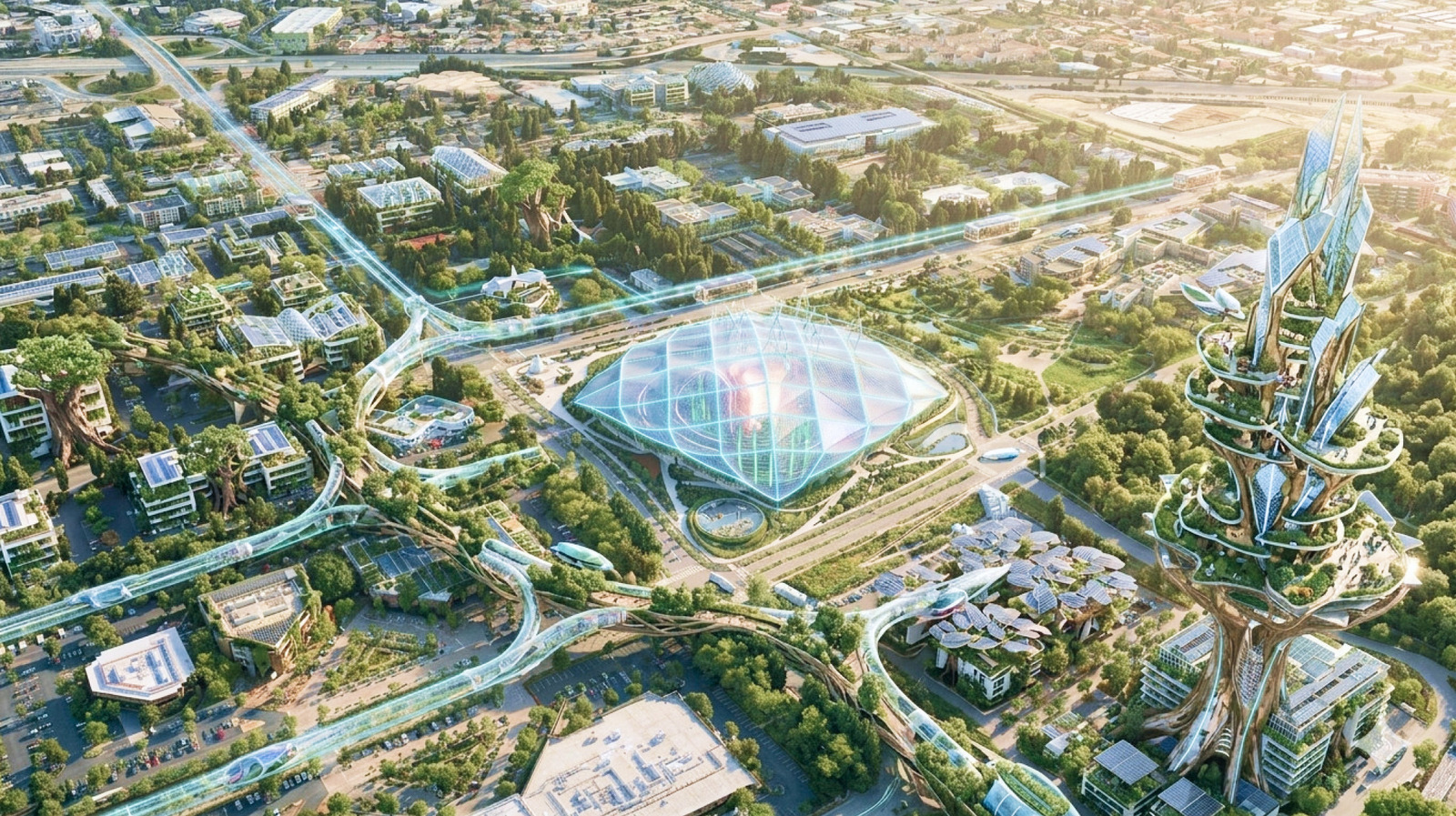
Google is rolling back Nano Banana image generation inside of Google Earth less a day after announcing the integration on July 30. “We know that people uniquely trust Google Earth for a reliable view of the world. We’ve seen geospatial professionals using this feature for a range of useful purposes, however we’ve also seen people sharing screenshots of generated imagery that appear to violate our policies,” the company wrote in a statement it shared on X.
Re: our statement on Image Generation in Google Earth:
“We know that people uniquely trust Google Earth for a reliable view of the world. We’ve seen geospatial professionals using this feature for a range of useful purposes, however we’ve also seen people sharing screenshots of…— News from Google (@NewsFromGoogle) July 31, 2026
The announcement comes after 404 Media showed Google Earth’s image generation could easily be used to create misleading satellite imagery. In one example, author Joseph Cox used the tool to make an image of a blast crater in Los Angeles. In another, he added protestors just outside of Google’s Mountain View, California campus. At the time, the company downplayed the misinformation concerns, arguing people could use tools like Gemini to verify the authenticity of any images generated by Nano Banana.
“We take misinformation seriously — every image created with Nano Banana in Google Earth includes the SynthID digital watermark, so if someone is unsure about an image, they can ask the Gemini app or use Lens in Search to see if the image was AI-generated. In addition, we prevent image creation on harmful topics and are continually updating our protections,” the company said in a statement.
is it good that you can just put anything you want into Google Earth with AI now:
www.404media.co/google-earth…
— Jason Koebler (@jasonkoebler.bsky.social) 2026-07-31T16:04:41.345Z
However, as Cox later pointed out on Blue Sky, “Google’s statement that it includes a watermark that can identify [the Nano Banana images] as AI-generated is completely braindead as to how misinformation works.” Think about it. How often have you stopped to verify an image you’ve seen online? If we’re being generous, you could argue people have become more critical of the images they see online, but it was also only a few years ago the entire internet was sharing generated AI images of baby peacocks thinking they were real.
On Friday, Google repeated its defense that the images Google Earth generated were watermarked, but added it would also implement stronger guardrails before enabling image generation inside of Google Earth again.