dailynewsnblog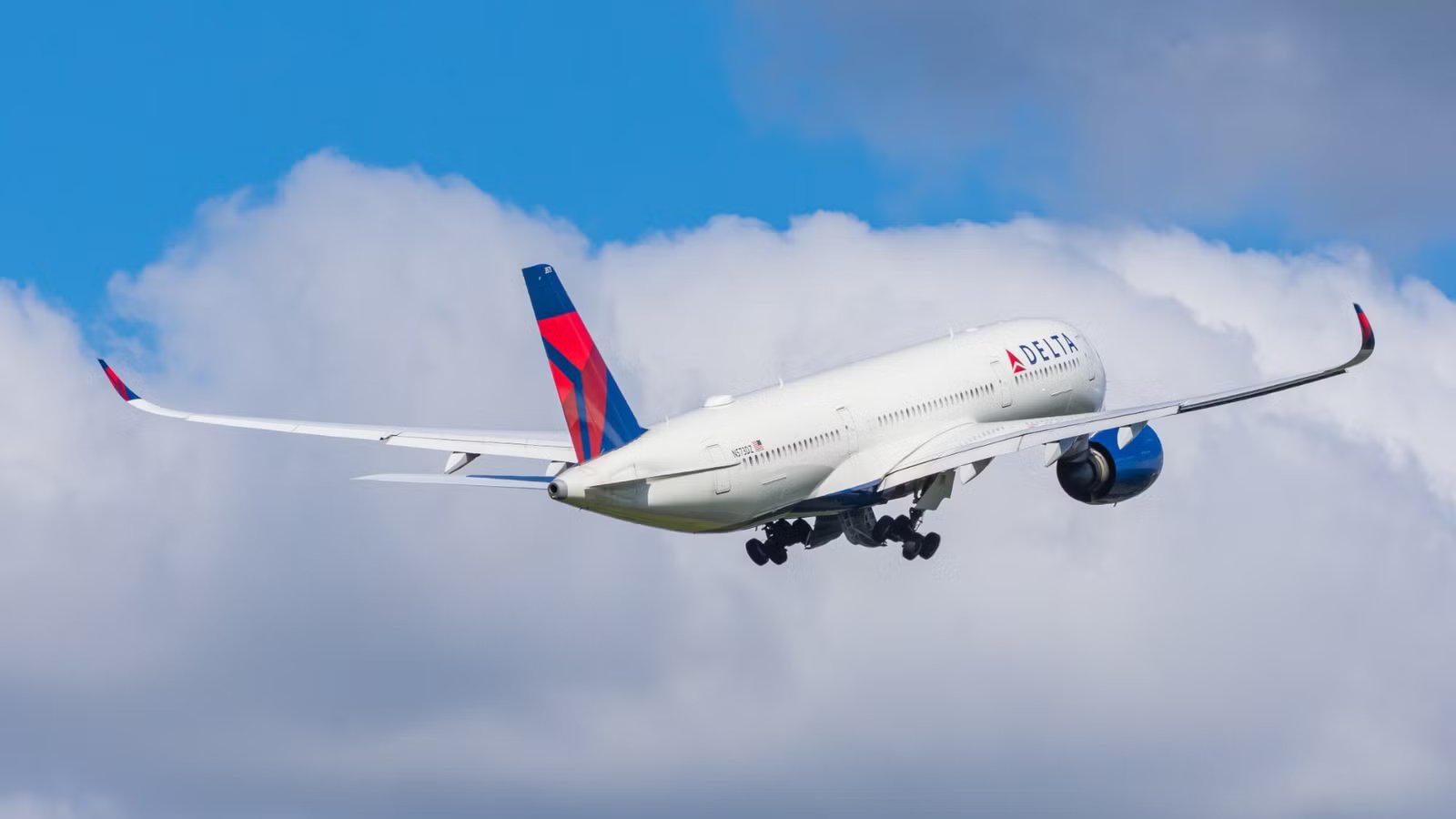
A Career That Spans Aviation History

Crandall joined Pacific Airlines in 1959, operating aboard the 24-seat Douglas DC-3 at a time when commercial aviation looked vastly different from what it is today. Over the following decades, she continued flying through the airline’s various transformations, including Air West, Hughes Airwest, Republic Airways, Northwest Airlines, and ultimately Delta following the Northwest merger in 2008.
Her career effectively traces the evolution of commercial aviation itself. When she first took to the skies, propeller aircraft dominated regional routes, and many airports lacked the infrastructure travelers now take for granted. Today, she serves passengers aboard modern jetliners, including some of Delta’s most advanced aircraft, such as the Airbus A350.
Crandall told CNN while reflecting on the aircraft she has seen throughout her career:
“Higher, faster, smoother, more seats!”
Celebrating International Flight Attendant Day

The timing of Crandall’s story is particularly fitting. On May 31, the aviation industry marks International Flight Attendant Day, recognizing the vital role cabin crew play in ensuring passenger safety and comfort. Delta used the occasion to highlight both its newest and most senior flight attendants, showcasing how the profession continues to evolve across generations.
Delta paired Crandall with newly graduated New York-based flight attendant Alise Broussard. The contrast between the airline’s most experienced and newest flight attendants illustrates both the continuity and transformation of the profession over nearly seven decades. The two women entered the profession under dramatically different circumstances. While Broussard begins her career in an era of global networks, advanced training, and modern employment protections, Crandall entered an industry where strict appearance standards and discriminatory employment policies were commonplace.
One of the most significant changes Crandall witnessed was the transformation of the flight attendant role itself. In the late 1950s and early 1960s, airlines frequently imposed restrictions based on age, marital status, and appearance. Many female flight attendants were expected to leave the profession after marriage or upon reaching a certain age.
The passage of the Civil Rights Act and subsequent workplace reforms fundamentally changed those expectations. Crandall has spoken about how these changes allowed women to build long-term careers in aviation rather than treating the role as a temporary occupation. Her own career became a powerful example of that shift.
At the same time, the profession evolved from one focused heavily on hospitality into a safety-critical role. Modern flight attendants undergo extensive emergency-response, evacuation, medical, and security training, making them essential members of an airline’s operational team.
The Story Of The World’s Longest-Serving Flight Attendant
A closer look at an astonishing lady who loved to fly.
Passing The Torch To A New Generation

As she prepares for retirement, Crandall recently met Broussard, who has just completed training at Delta’s In-Flight Training Center. Delta described the encounter as a symbolic passing of the torch between generations of flight attendants separated by 67 years of aviation history.
For Delta, the story serves as a reminder of how much the airline and the industry have changed since 1959. The carrier now employs nearly 30,000 flight attendants worldwide and operates a fleet ranging from domestic narrowbodies to ultra-long-haul international aircraft.
As Crandall prepares to retire from her beloved job, her departure will close one of the most extraordinary chapters in airline history. Very few aviation professionals have witnessed the transition from the DC-3 era to the age of the Airbus A350 firsthand, and even fewer have remained active throughout that entire journey!