dailynewsnblog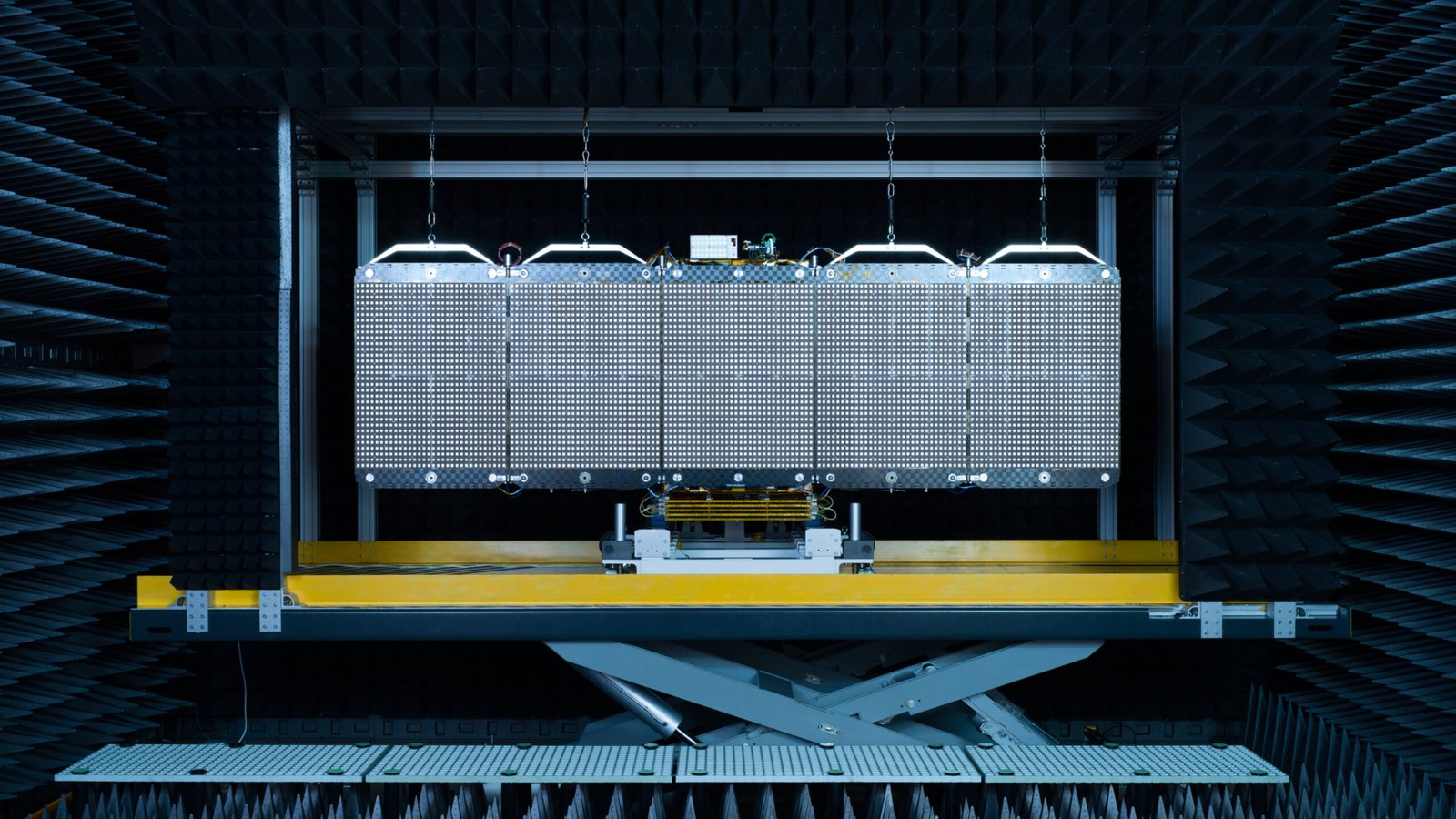
According to Gillinger, the cross-track distances between the four Russian satellites and ICEYE-X36 now range between about 500 meters (1,640 feet) and 22 kilometers (13.7 miles). All of this is taking place in polar orbit at an altitude of approximately 340 miles (547 kilometers).
Russian satellite operators are now in a position to close in on the ICEYE satellite with “minor adjustments” in “satellite eccentricity and average altitudes,” Gillinger wrote in his newsletter. A fifth satellite from the same Russian launch last month now appears to be performing a similar set of maneuvers to move closer to ICEYE-X36.
Co-planar or cosplay?
We know little about what these particular Kosmos satellites can do. Perhaps, as one retired US military space official recently told Ars, this is another example of Russia rattling a dull saber. Russian military officials seem to enjoy probing US and allied forces, often flying strategic bombers near US and European airspace.
This same behavior now appears to extend into space, with Russia’s launch of several military spacecraft shadowing the US government’s most sophisticated spy satellites in low-Earth orbit several hundred miles above the planet. US officials believe at least some of these Russian satellites are part of an anti-satellite weapons program.
More recently, a mysterious Russian military satellite arrived in geosynchronous orbit more than 22,000 miles over the equator. Circumstantial evidence suggests this, too, may be part of a Russian anti-satellite system. The US Space Force dispatched one of its own inspection satellites in geosynchronous orbit to get a closer look.

Credit:
ICEYE
A radar image of a bridge in Crimea taken by an ICEYE satellite.
Credit:
ICEYE
Targeting a single spacecraft, such as ICEYE-X36, in a constellation of similar imaging satellites would do little to inhibit the access of Ukraine or other Western nations to radar surveillance imagery. ICEYE, itself, operates dozens more radar imaging satellites. Unlike optical spy satellites, radars provide imagery day and night, regardless of cloud cover.