dailynewsnblog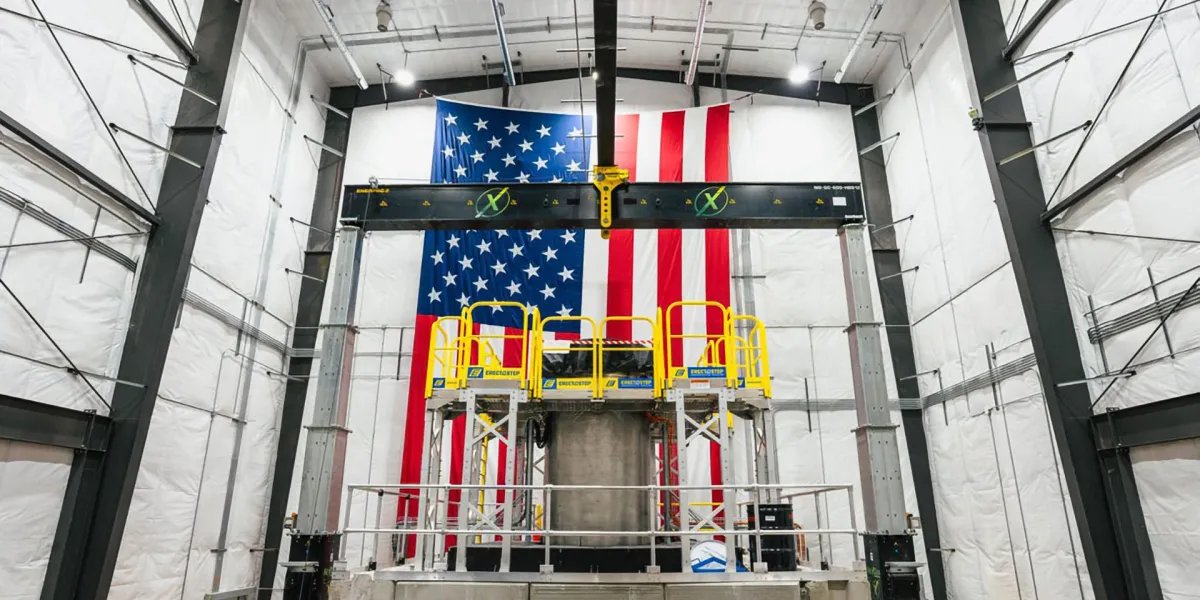
But achieving criticality doesn’t mean a reactor is ready to provide electricity for the grid (or at all, for that matter). Let’s untangle what this program’s success could mean for nuclear power in the US, and where these companies might go from here.
The Reactor Pilot Program essentially opened a special door for prototype reactors to fast-track development. In August, the US Department of Energy selected 11 reactor projects for the program and offered them land and support from the national labs system. These are all microreactors; the large light-water reactors that dominate the grid today are tens or even hundreds of times their size.
Antares Nuclear was the first to achieve criticality, reaching the milestone in June in its Mark-0 test reactor. Reactors from Valar Atomics, Deployable Energy, and Aalo Atomics followed. (Aalo hit the mark in the early hours of July 4—an inspiring example of just barely meeting a deadline.)
The speed with which these companies hit this milestone is impressive, especially in an industry known for massive projects that frequently blow past deadlines and stated budgets. (Valar, Antares, and Aalo were all founded in 2023, and Deployable started in 2025.) But reaching criticality and running a reactor that can produce electricity are two totally different things.
All these reactors reached what’s called zero-power criticality. Basically, it’s a test of whether you can start a nuclear chain reaction, with no meaningful power coming from the reactor. “A zero-power-criticality test can be achieved without making real engineering progress on fuel or design,” Kathryn Huff, a former assistant secretary for nuclear energy and chair of the Department of Nuclear Engineering and Engineering Physics of the University of Wisconsin–Madison, said on an episode of the Catalyst podcast earlier this year.
Now, with the completion of this program, the companies will need to continue their work to make power, which could involve some big technical challenges. In some cases they’ll need to add significant equipment, like the cooling systems to transfer the heat out of the reactor core.
The companies are projecting aggressive timelines moving forward. Aalo says it’s already begun work on the second reactor and plans to produce 10 megawatts of electricity to power an on-site data center in 2027. Deployable Energy says it plans to deploy commercial reactors by 2028.