dailynewsnblog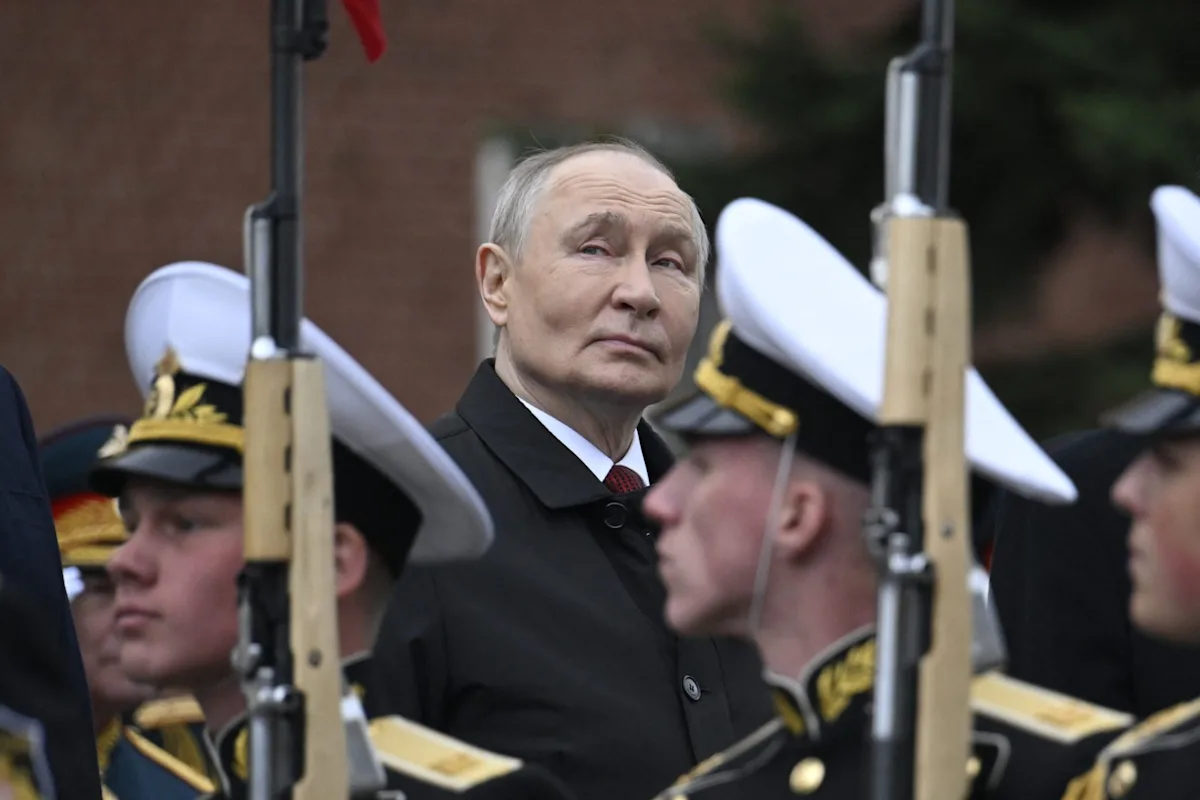
Russians are starting to acknowledge that President Vladimir Putin has led the country to a dead end and can’t shape its future, according to a former senior official in the Kremlin.
In a recent Economist op-ed authored anonymously, the former official pointed out that fellow government peers in Moscow, regional governors and businessmen have stopped using the first person plural when describing Putin’s actions.
In other words, Russia’s elites found a subtle way to no longer express solidarity with Putin, describing what “he” does rather than what “we” do.
That shift took place last spring, but does not signal a rebellion is imminent, the former official added, as the state still controls key levers of repression and fear.
At the same time, the regime has stopped bothering to sell a narrative of national restoration or modernization to the rest of the country, which is losing enormous amounts of blood and treasure in the battlefields of Ukraine.
“The irony is that Mr. Putin started the war to preserve power and the system he has created,” the official wrote. “Now, for the first time since the conflict began, Russians are starting to imagine a future without him.”
The mounting costs of Putin’s war on Ukraine have contributed to the nation’s shift, as Russians grapple with higher inflation, more taxes, crumbling infrastructure, tighter censorship, and myriad new restrictions.
High inflation has also kept interest rates high. As companies and other borrowers struggle to service debt, defaults have climbed and warnings of a financial crisis have multiplied.
Another factor is pushback from Russian elites, who are banned from living abroad and have lost the protection of Western laws that preserved their wealth.
The former official estimated that the state has seized around $60 billion in assets from private businessmen over the past three years, either outright nationalizing their property or redistributing it to cronies.
“It is not that the elites have suddenly discovered a taste for the rule of law or democracy,” the op-ed said. “But even those loyal to the regime crave rules and institutions that can resolve conflicts fairly.”
Meanwhile, as the rules-based global order fades, Russia can’t game the system as much by exploiting institutions like the United Nations Security Council. The West’s decline also means Russia is losing its foil, creating an identity crisis.
Finally, Russia’s previous social contract—which let citizens enjoy private lives as long as they stayed out of politics—has collapsed, the former official added.
Instead of providing convenience, services and consumption, the regime only inflicts repression, intrusion and censorship.
“People are required to be loyal without being told what future that loyalty serves,” the official said.
The Kremlin’s internet blackouts have raised howls among ordinary Russians as the regime tries to limit information on economic woes and soaring casualties in Ukraine.
And the country’s disconnection from the regime comes as Putin has removed himself from public life, literally retreating into a bunker.
He spends more time in underground bunkers micromanaging his war, paranoid about a coup or an assassination attempt by Ukrainian drones, sources told the Financial Times.
One person who knows him told the FT that Putin devotes 70% of his day to the war and only 30% to other duties, including the economy.
The quagmire in Ukraine and persistent inflation have weighed on sentiment. Even a survey from Russia’s state-owned pollster showed Putin’s approval rate has fallen to 65.6% from 77.8% at the start of the year and prewar levels well above 80%.
“The system can persist for as long as Mr. Putin remains in power,” the former Russian official wrote in the Economist. “But his every move to preserve and expand it accelerates decay.”
This story was originally featured on Fortune.com