dailynewsnblog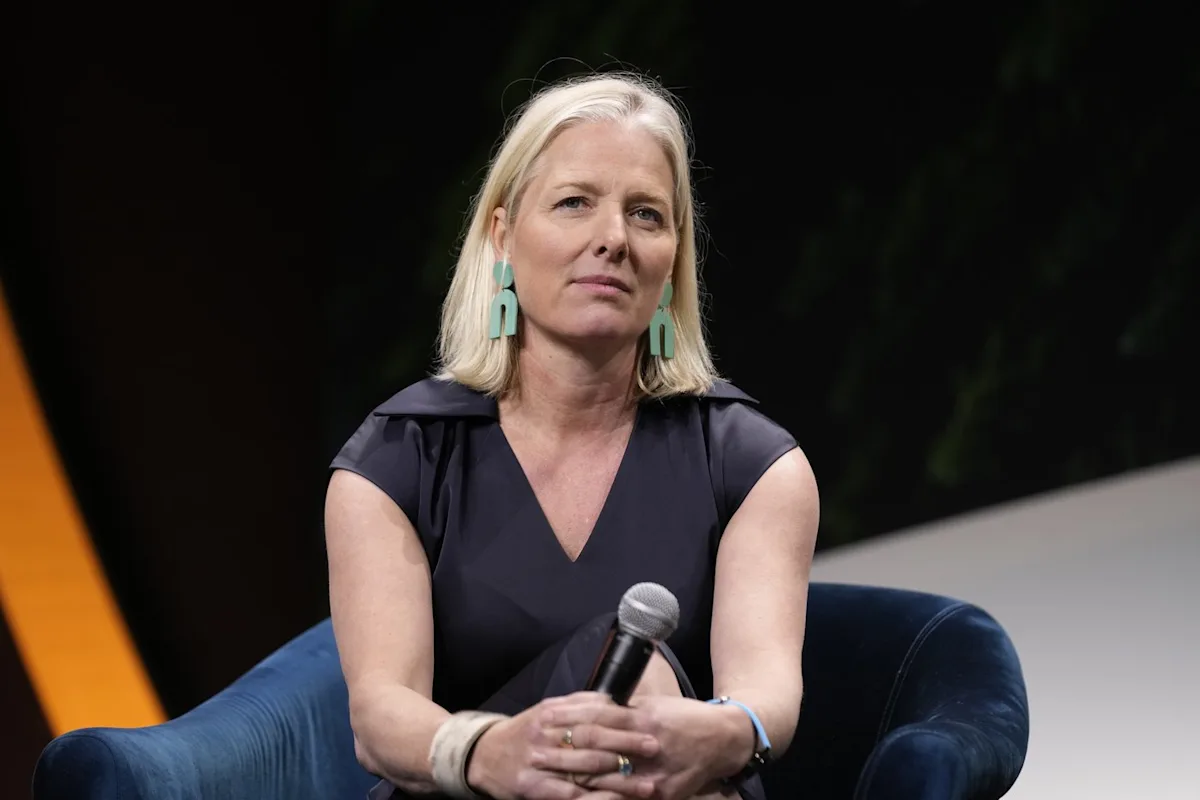
MONTRÉAL — Former environment minister Catherine McKenna says the leaders of Canada’s oil industry are figures close to American President Donald Trump who are “taking us for fools” and putting both the economy and environment at risk.
Canada’s official greenhouse gas inventory was published last week. It showed that in 2024, oil and gas production was the only sector in the country to have increased its greenhouse gas emissions.
“In Canada, we expect, Canadians expect everyone to step up and do their parts. But instead, we have oil and gas, which is largely foreign-owned, largely U.S.-owned, who aren’t doing their part. All they’re doing is increasing our emissions and demanding subsidies,” McKenna said in an interview while at Montreal’s climate summit last week.
She adds that oil companies are “demanding that Canadian taxpayers pay the bill for cleaning up the pollution they cause and building pipelines they won’t risk their own money on.”
The Montreal Climate Summit is an annual gathering of political, business and union leaders as well as philanthropic and environmental organizations to discuss the city’s climate transition.
McKenna, who served as environment minister from 2015 to 2021, has a long list of grievances against the heads of these companies. She says they have been profiting from Russia’s illegal war on Ukraine and now the war in Iran.
“But what do they do with those profits? They give them back to fat cat CEOs and then they go give them back to their shareholders, largely Americans who support Donald Trump,” she said.
Canadian companies in the oil industry are bringing in an extra $170 million in profits every day because of the war in Iran, which has pushed global oil prices up by more than 50 per cent, according to an analysis published by the Canadian Centre for Policy Alternatives.
According to Canada’s official greenhouse gas inventory, oil sands production has increased by more than 900 per cent in the country since 1990.
McKenna stresses that increasing gas and oil production year after year is not the direction the rest of the world is taking.
“From an environmental perspective it makes no sense — and economically, even less,” she said. “Energy shocks are moving countries everywhere even faster toward renewable energy which is cheaper, cleaner,” she said.
Energy shocks refer to sudden changes in prices, caused major disruptions, like wars.
A recent report by the International Renewable Energy Agency shows that in 2025, renewable energy accounted for 85.6 per cent of the total expansion in global electricity capacity.