dailynewsnblog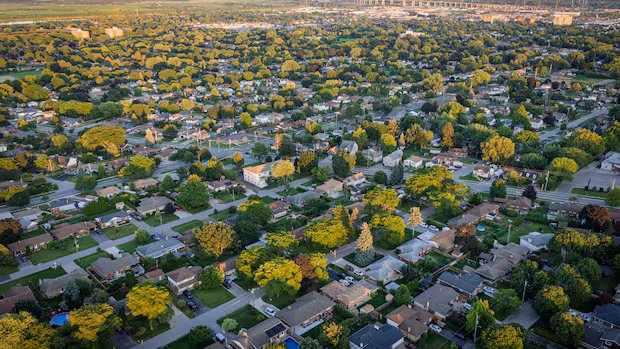

Listen to this article
Estimated 4 minutes
The audio version of this article is generated by AI-based technology. Mispronunciations can occur. We are working with our partners to continually review and improve the results.
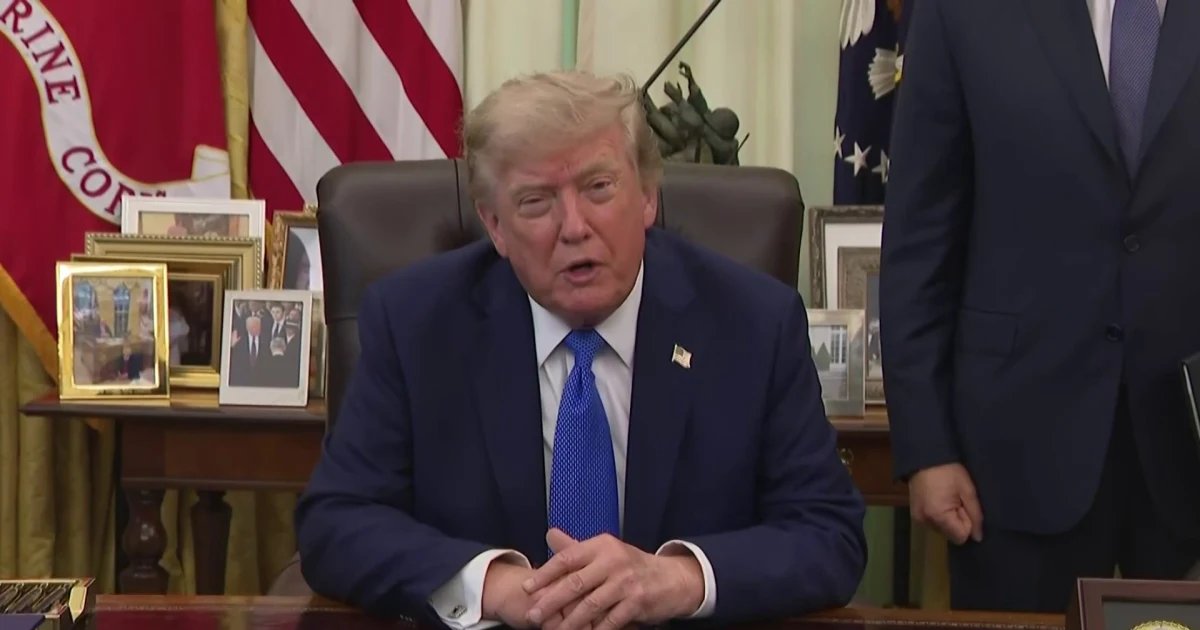
Ontario Premier Doug Ford says he has met with the mayors of two flood-stricken municipalities under states of emergency in the Niagara Region, but there’s no word yet on what help, if any, is coming from the province.
Ford shared, in a post on social media Wednesday afternoon, that he heard “directly from workers and community members impacted by the recent flooding” in St. Catharines and the nearby Town of Lincoln.
Both municipalities declared a state of emergency on Monday after back-to-back storms dumped a combined 250 millimetres of rain on parts of the region in less than a week.
The storms delivered about a quarter of the region’s typical annual precipitation in just a few days, flooding thousands of homes and businesses.
St. Catharines Mayor Mat Siscoe had appealed for support from the provincial and federal government after the storms, saying the city had been left to fend for itself.

On Thursday, Siscoe said his office has been in discussions with the Provincial Emergency Operation Centre (PEOC) and the Ministry of Municipal Affairs and Housing since July 27.
He said his appeal for assistance “included a request for financial support.”
“Thus far no financial support has been committed. Staff continue to work with provincial officials on accessing financial support,” Siscoe wrote in an email to CBC Hamilton.
“At this point, the provincial support has been from Ontario Corps and Team Rubicon. We are hopeful for more support in the coming days,” added Siscoe.
Ontario, mayors co-ordinating provincial support
On Thursday, a spokesperson for the Ontario government said since the flooding began, the government has been co-ordinating provincial support with the mayors of St. Catharines and Town of Lincoln to assist in their assessments of the damage and safe mitigation options.
Julia Facca said field officers with the Ministry of Emergency Preparedness and Response are on the ground working with the Niagara Region to provide advice and assistance to local authorities.
“As the Ministry of Municipal Affairs and Housing is also currently assessing the situation against DRAO eligibility requirements, Ontario continues to stand at the ready to provide additional resources to the impacted municipalities.”

Meanwhile, Facca said Ontario Corps partner Salvation Army have been co-ordinating the delivery of cleaning kits while Team Rubicon Canada has also been engaged to support the assessment of debris removal, and the ministry is sourcing dehumidifiers to help dry out basements as well.
Both St. Catharines and neighbouring Niagara-on-the-Lake experienced massive flooding after a storm on July 28. Then, St. Catharines was hit again, on the weekend, prompting a state of emergency.
Siscoe, who declared a state of emergency Monday, said some people have had their homes flooded three times in two weeks after storms on July 21, 27 and 28 dumped almost 400 millimetres of rain on St. Catharines.
“I recognize the exhaustion and the uncertainty, the emotional toll that this is taking on folks in our community and their families.”
The heavy rain saturated the ground, creeks overflowed, catch basins swelled and sewers simply unable to push through water fast enough backed up into residences.

Siscoe said the flooding has hit thousands of homes.
“I’ve driven through entire neighbourhoods where every single house was dealing with it, and that was [before] Sunday night. There are entire neighbourhoods where the driveways are filled with construction debris and furniture that’s been destroyed.
“There were cars floating down the street.”

“After the second one, they just feel like they want to give up,” said Mayor Mat Siscoe after people living in St. Catharines, Ont., faced two extreme rainstorms in less than a week.

The Town of Lincoln also declared a state of emergency following the flooding, which it describes as “historic.”
“Our community has faced an extraordinary challenge,” said Mayor Sandra Easton.
“We have witnessed the devastating impacts of flooding on families, businesses, farms, and critical infrastructure. Declaring a State of Emergency ensures we are taking every available step to protect our community, coordinate our response and advocate for the support Lincoln needs to recover.”