dailynewsnblog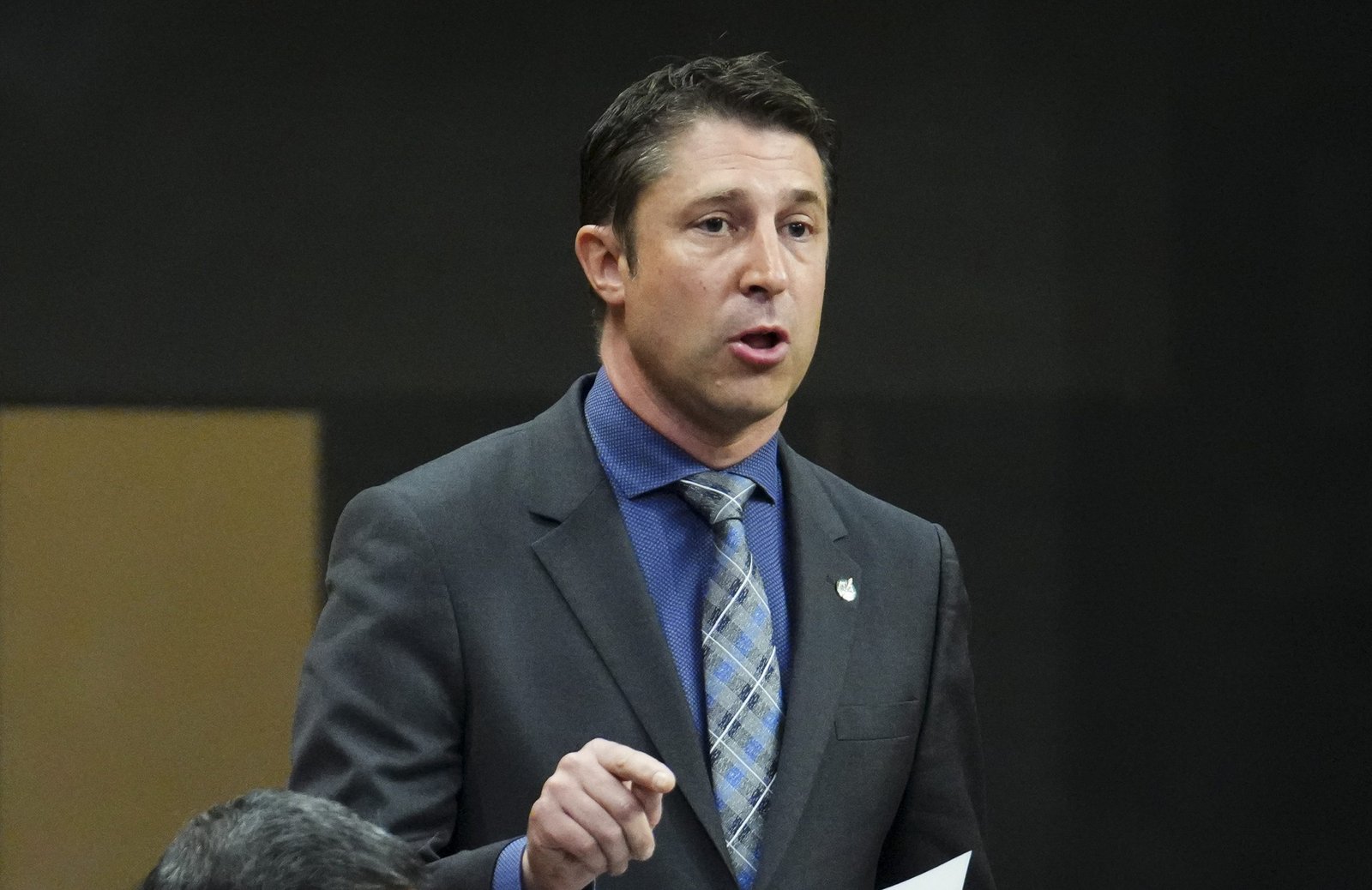
MPs pressed officials on whether Chinese EV and their components could eventually be added to a proposed forced labour watch list, while foreign affairs officials said consultations over the list’s criteria will continue in the coming months
A parliamentary committee began its review of the forced labour bill Thursday, against the backdrop of U.S. criticism that Canada has lagged in enforcing its import ban.
The proposal comes after the U.S. Trade Representative’s Office launched investigations into 60 countries who failed to enforce and prohibit imported goods from forced and child labour.
Canada was one of six places the U.S. listed to have “failed to effectively enforce prohibition” on imported goods.
The legislation would overhaul Canada’s existing regime by allowing the government to create a public list of goods, regions and entities suspected of being linked to forced labour, while placing greater responsibility on importers to demonstrate their products are free of it.
Much of the committee’s discussion quickly descended to Chinese electrical vehicles, as Conservative MPs questioned whether products linked to forced labour in automotive supply chains could still be entering Canada, and whether that issue could become a flashpoint in the upcoming CUSMA review.
READ MORE: Ottawa set to reexamine legislation on importing forced laboured goods amid new tariffs from the U.S.
During the committee meeting, Liberal MP Ali Ehsassi noted the new bill will include provisions that put more “onus” on the companies instead of solely relying on the enforcers.
However, at its first session — just a day before the House rises for the summer — Conservative MP Michael Kram pressed officials from Canadian Border Services Agency and the department of foreign affairs over what he described as gaps in Canada’s enforcement of its forced labour import ban.
Chapter 23 of the existing CUSMA agreement states that each party shall “prohibit the importation of goods into its territory” in whole or parts from “compulsory labour,” including child labour.
Kram pointed to Ottawa’s EV deal with Beijing, and whether it would become a “challenge” in the upcoming review.
“It’s important to underscore that this import ban applies to all products made in whole or part with forced labour, not about a specific country so we wouldn’t at this stage be saying that one product or one region — we’re not at the stage of having a list,” said Sara Wilshaw, senior assistant deputy minister of international trade and chief trade commissioner on Thursday.
Currently, the U.S.’s Bureau of International Labour Affairs maintains a list of 204 goods from 82 countries that deemed to be produced by child and forced labour.
The list includes electronics and lithium-ion batteries from China, sectors that Kram pointed to during Thursday’s committee hearing, whether similar products could eventually appear on Canada proposed forced labour watch list.
While officials declined to say whether the automotive components could ultimately appear on the list, Wilshaw said the legislation is still at its early stage, and will go through an extensive consultation process this summer.
The consultations will also focus on identifying how investigations can be structured to be more “effective.”
Human rights advocates have also raised concerns that Bill C-35 focuses on forced labour while offering fewer explicit references to child labour than existing customs provisions.
Fernando Morales-de la Cruz, human rights activist and founder of Lewis Hine Initiative, said Canada’s existing supply-chain transparency law, Bill S-211, has done little to prevent goods linked to labour abuses from reaching Canadian markets, and now the overhaul is at risk of not fully addressing child labour.
While he welcomed Ottawa’s move toward a more enforcement-focused regime, Morales-de la Cruz argued C-35 narrows the conversation by focusing primarily on forced labour. He argued that instead, any future watch list should be broad enough to capture both forms of exploitation.
“The United States’ list of goods produced by child labour and forced labour is not perfect, but at least it’s there,” Morales-de la Cruz said in an interview with iPolitics.
He said while Canada is responding to the U.S.’s tariffs, it shouldn’t just be for the Americans or corporations.
“Canada should do this because the country does legitimately believe in rule of law and human rights and children’s rights,” he said.