dailynewsnblog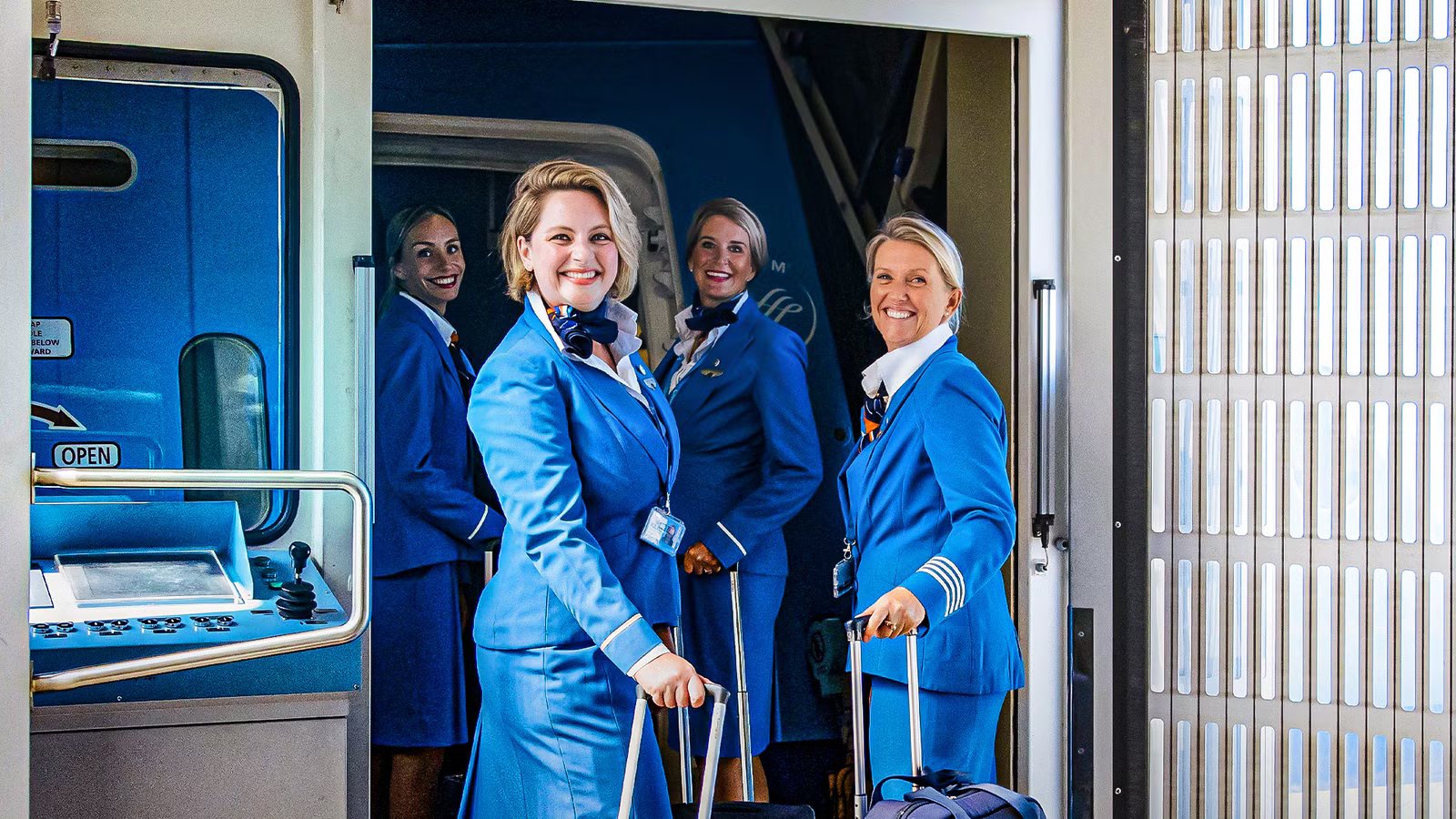
Being a Flight Attendant is not easy and often means working long hours in fairly cramped conditions and sometimes dealing with issues and problem passengers. Acts of kindness are quite rare these days, and the days of glamorous air travel have long gone, for both passengers and crew. Having said that, we will try to make things special when we can, especially when people greet us with a smile and are polite. The little things really make our day.
Air travel is often stressful, and passengers join us on board without really thinking about the crew. The flight crew are somewhat invisible, and the flight attendants are seen primarily as servers rather than the safety professionals they are. In this guide, we will look at some of the things that may earn you special treatment from a flight attendant on your next flight.
Politeness And Good Manners

It sounds simple, but good manners, politeness, and the odd smile go a long way for flight attendants. During boarding, we greet everyone with a smile and a welcome. This helps us observe passenger behavior and sets the tone for the flight. Flying can be stressful for passengers and adds airport stress; it’s not ideal for most. A passenger with a smile who greets us is indeed quite rare, therefore we will likely remember passengers who smile and offer a genuine greeting.
During service, please take off your headphones as we will ask you what you would like to drink and eat. It’s only a few seconds of your movie or music and is just respectful. This is better than us having to repeat every question multiple times, and making the service longer. If possible, check the menu beforehand and decide what meal you would like and your drink preference. We can have hundreds of passengers onboard, so you can imagine how many times we have to offer two meal choices and ask what we can get you.
Flight attendants love a simple ‘please’ and ‘thank you’; it’s that easy, and again, these days, something of a rarity. We appreciate politeness. We are happy to help passengers at any time, when we can, but using the call bell repeatedly during service is a no-no unless there is an emergency. This prolongs service, and it may take us some time to physically get to you as we are stuck between carts. Please do not refer to us as air steward/air stewardess, air hostess, or even worse, ‘trolley dolly’. These terms are derogatory and outdated and are offensive to those who are trained to save lives. Do not touch us or pull at our uniform to get our attention.
Simple Flying Quiz
What Aircraft Type Are You?
Five questions. One aircraft. Find out which plane best matches your personality.
Question 1 of 5
How do you prefer to travel?
Question 2 of 5
What’s your ideal weekend away?
Question 3 of 5
How do you handle a busy schedule?
Question 4 of 5
What matters most to you on a long trip?
Question 5 of 5
How do others describe you?
Your Result
The Explorer
Cessna 172
You value freedom, simplicity, and the joy of the journey itself. You’re happiest when you’re in control, taking life at your own pace and discovering the world one small airfield at a time. No crowds, no queues — just sky.
Your Result
The Workhorse
Boeing 737
Reliable, efficient, and always in demand. You get the job done without fuss, keeping things moving for everyone around you. You’re the backbone of any operation — proven, dependable, and trusted the world over.
Your Result
The Icon
Airbus A380
You think big. More space, more comfort, more presence — you believe in doing things properly and on a grand scale. When you walk into a room, people notice. You’re built for the long haul, and you do it in style.
Your Result
The Pioneer
Concorde
Speed, ambition, and a refusal to accept limits define you. Every second counts, and you’d rather break the sound barrier than wait in line. You were ahead of your time — bold, brilliant, and utterly unforgettable.
Following The Crew’s Instructions

It goes without saying that flight attendants are there primarily for safety and may need to ask you to perform simple tasks. This includes stowing loose items, putting the seat back upright, securing the tray table, and opening window blinds. Some passengers think we are just being difficult, and it is inconvenient for them. Everything we ask is for safety reasons, and we have to follow strict procedures to ensure passenger safety at all times. These are also part of airline regulations and are mandatory.
Loose items can become projectiles and injure someone during takeoff or landing, so they need to be stowed safely. The tray table and seat need to be stowed correctly so that, in an evacuation, all passengers seated in the same area can evacuate without being trapped by another seat. Opening the window blinds allows the crew to see outside conditions, should we have to evacuate on takeoff or landing, and whether it is safe to open the exits.
Following the crew’s instructions is critical to flight safety, not just for the individual passenger but for all those seated in the immediate vicinity. If a passenger does not watch the safety demonstration or does not follow basic instructions, it is a red flag for flight attendants, as it suggests that, in an emergency situation, they are less likely to know what to do and less likely to comply. So, we have to be aware of that and deal with them in a very assertive manner.
Be A Good Passenger

As boarding is such a busy time, it is good to have an idea of where you are seated, especially when booked in advance. Take out the items you will need during the flight in advance, and stow your baggage with the wheels forward or backward, not side to side. This will save us time by not having to restow bags more efficiently and free up the aisle quicker, so, boarding is faster. Always follow the seatbelt sign, and when seated, keep your seatbelt fastened in case of unexpected turbulence. During taxiing, always stay seated and do not try to retrieve baggage, as the aircraft may have to brake suddenly, causing injury to you or those around you.
Of course, the safety demonstration is very important, but is rarely taken notice of. Passengers are complacent and, instead of taking note of critical safety information, tend to ignore it. For your own safety, as a minimum, locate your nearest exit, which may be in front or behind you, and count the number of exit rows to reach it. This is because evacuations are often in dark, smoky cabins, so finding that exit quickly can save a life.
Wear practical clothing with natural fibers, avoid sharp edges or high heels, and wear sensible shoes. In an evacuation, natural fibers are less likely to catch fire than, say, polyester, which can stick to the skin and burn it severely. Sturdy shoes, not flip-flops, will protect your feet if evacuating over sharp or hot metal. Sharp items can pierce the evacuation slide or slide raft (if landing on water) and deflate it, which is not ideal in an evacuation situation.
What Not To Do

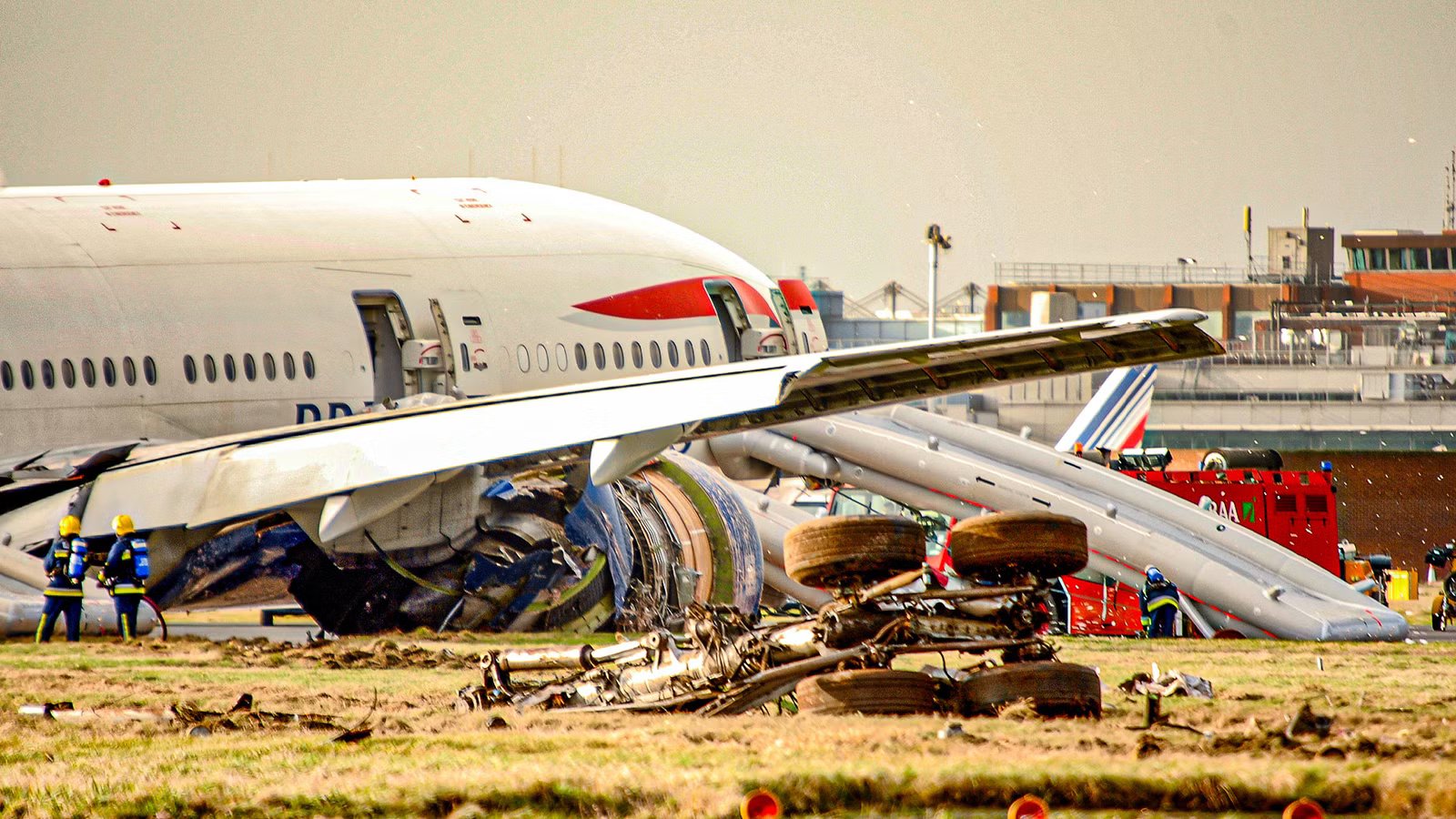
The most important thing not to do is take your baggage in an emergency, which is occuring more and more frequently in evacuations. This is because it slows the evacuation process down when we are legally required to evacuate an aircraft in 90 seconds. It can also damage the evacuation slide, and loose baggage can cause an injury to yourself or others around you. During the evacuation of  Aeroflot 1492, passengers stopped to collect their baggage before evacuating. This caused a bottleneck in the cabin and resulted in the deaths of 40 passengers and one flight attendant. There were 37 survivors. Is life really replaceable by a bag?
Please respect flight attendants and understand that they are there for your safety, not just for service. During the service, if possible, try to remain seated, even if the seatbelts are switched off. This is because if a passenger wants to visit the lavatory, for example, the carts have to move forward and back to accommodate the passenger, which slows service. It is better to wait until the cart has passed by or until no carts are visible in the aisle. Please do not exercise in the galley area as there are lots of carts, hot oven inserts, and hot liquids around.
Please do not ask for upgrades on board unless you are willing to pay for it and seats are available. Some airlines do not offer this service. We can rarely upgrade a person onboard the aircraft unless in extreme circumstances. Usually, the ground staff are the only ones who can upgrade passengers. Please do not complain about things that we cannot control, like delays, and passengers should never act entitled.
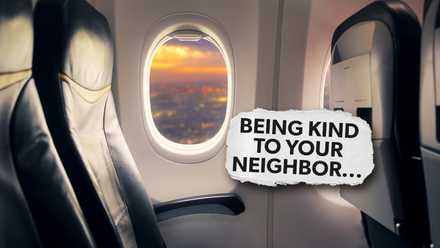
What Are The Top Tips For Plane Etiquette?
One of the most hotly argued discussions in travel is what’s the rule around armrests.
Gifts And Thank You

Flight attendants are often working 12 or 14-hour duties, so even the slightest things can make our day so much better. Gift cards for coffee are popular with many flight attendants, as are chocolates, candies, and snacks. Even little gifts like a face mask or lip balm can make a flight attendant’s day. Some crew traveling off duty, and the occasional passenger will make a goody bag for the crew members, which is extremely thoughtful.
If a passenger treats us well, sometimes we can reward them with little things like extra drinks and snacks or upgraded items like a glass of champagne from a premium cabin. We may be able to give away cards and pens from the airline and write you a little note of thanks from the crew for your kindness, or to celebrate a special occasion. Sometimes, there are gifts on board for such events or acts of kindness to be given at the crew’s discretion.
Dressing well or just smart-casual can be beneficial on some flights. When checking in, the ground staff will note this and can mark you on the passenger information list (PIL) as ‘suitable for upgrade’ (SFU). This can be helpful in the case of an overbooked economy cabin, where the airline may be able to upgrade passengers. Sometimes, if there is a seating issue in the cabin or an inoperable seat, we may be able to upgrade onboard to a more comfortable seat, although this may not include an upgraded meal or drink selection.
The Bottom Line

Please have respect for your flight attendants and their role in terms of safety; they could save your life at the end of the day. Politeness, a smile, and saying please and thank you go a long way. Following instructions and watching the safety demonstration are important, as safety is key to everything we do. Basic etiquette should be a priority, and passengers should also be respectful of other passengers around them.
A handwritten thank-you note or a small gift, such as a box of chocolate for the crew to share, is always appreciated. Goody bags and gift cards are a huge highlight for any day, though we would never expect a gift, and it is always a surprise. A genuine smile and politeness in general mean much more to a flight attendant.
All in all, flight attendants like pleasant passengers who are low-maintenance, and if they treat us well, we will also look after them in return. Flight attendants, in general, are friendly and like to help but are often disrespected. They like warm interaction with passengers and, when they can, will give more personal attention to friendly, polite passengers.