dailynewsnblog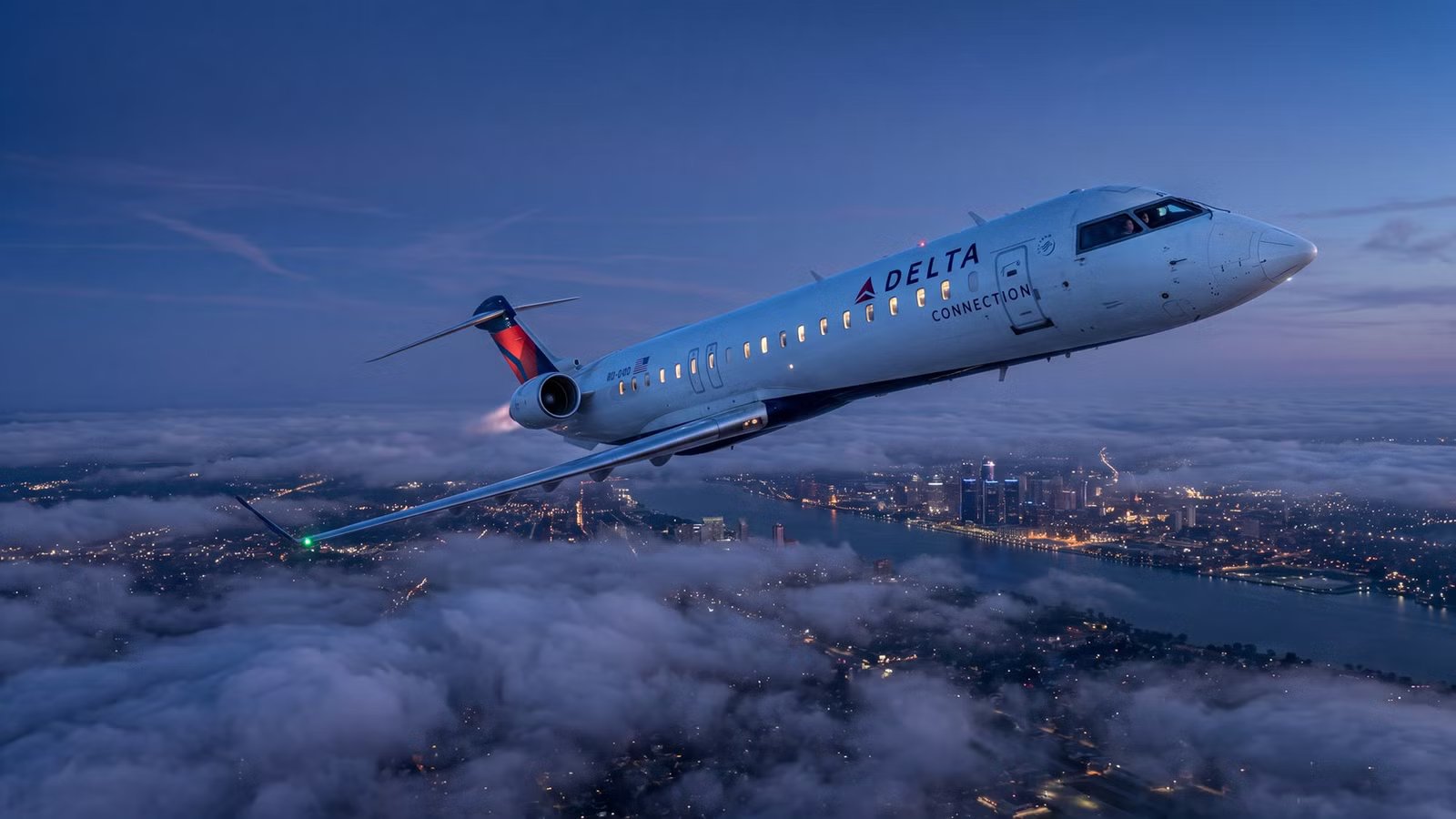
A conflict between two cabin crew members prompted a recent  Delta Connection flight to Detroit to request immediate ground staff intervention before the plane even landed. The flight from Greenville Spartanburg International Airport (GSP) to
  Detroit Metropolitan Wayne County Airport (DTW) was flying on Tuesday, when the incident is alleged to have occurred.
According to Airlive, the flight was operating an otherwise peaceful service from Greenville to Detroit when the flight deck contacted ground operations to advise that the inflight management and supervisory staff needed to meet the aircraft at the gate.
Conflict Issues Raised Between Flight Attendants, Requiring Separation

The pilots noted that the flight attendants were experiencing onboard conflict, which required mediation and raised the possibility of separating them to minimize the risk of further escalation. The flight, operating as DL5090, landed safely and was met by the requested personnel at the airport’s gate C21.
It remains unclear what triggered the conflict issues between the flight attendants. Simple Flying reached out to Delta for comment on the matter; however, an airline spokesperson could not immediately be reached.
The pilot raised the request with the ground operations team during the flight’s approach to Detroit, according to ATC recordings obtained by Airlive.
“We are experiencing conflict issues among the flight attendants and will likely need to separate them to prevent further escalation or an incident.”
Protocols To Focus On Maintaining Safety Onboard

Airlines have strict protocols to manage disagreements between team members. If flight attendants disagree on a flight, or even during a duty period, protocols exist to maintain onboard safety while separating personal issues from operations. If the disagreement cannot be resolved between the two peers, they must escalate through approved channels.
Safety comes first, and aviation rules state that personal conflicts or procedural disagreements must notcompromise cabin safety or passenger service. Crew members are trained to step away from passengers if they disagree and discuss differences privately, rather than argue in front of paying travelers.
If an issue cannot be resolved peer to peer, the lead flight attendant or purser is expected to step in to mediate and, when required, escalate. In more serious situations, should the conflict disrupt operations or create safety risks, the captain may intervene and call for ground supervisors or management to meet the plane upon landing.
Airlines often involve unions and provide employee assistance programs (EAP) to support confidential resolution of peer conflicts outside of work, if required.
Delta Air Lines CRJ900: N132EV

The aircraft involved in the recent incident between Greenville and Detroit was a Bombardier CRJ900 with registration N132EV. The jet is 17.6 years old and has operated for Endeavor Air (which operates as a wholly owned subsidiary of Delta). According to ch-aviation, the jet was first delivered to Atlantic Southeast Airlines, a US regional airline that merged with ExpressJet before being transferred to Endeavor Air in November 2017.
Aircraft Registration | N132EV |
|---|---|
Serial Number (MSN) | 15219 |
Aircraft Type | Bombardier CRJ900 LR |
Plane Age | 17.6 years |
Hex Code | A08317 |
Engines | Two x General Electric GE CF34-8C5 |
Operator History (Delivery Date) |
|
Configured to carry up to 76 passengers, the jet has three service cabins: Delta First in a 1-2 configuration and Delta Comfort and Delta Main in a 2-2 configuration. Delta uses these regional jets to feed passengers from regional markets into its major hubs while adhering to pilot union scope clauses that limit regional aircraft sizes. The smaller plane provides an economical, right-sized option for short routes where operating a mainline aircraft isn’t financially viable.
The recent incident between flight attendants on Delta flight 5090 highlights the captain’s rare move to radio ground control and request that in-flight management supervisory personnel meet the plane upon arrival. Tensions evidently escalated to the point that other crew members believed the two attendants needed to be separated. The exact nature of the disagreement has not been made public.