dailynewsnblog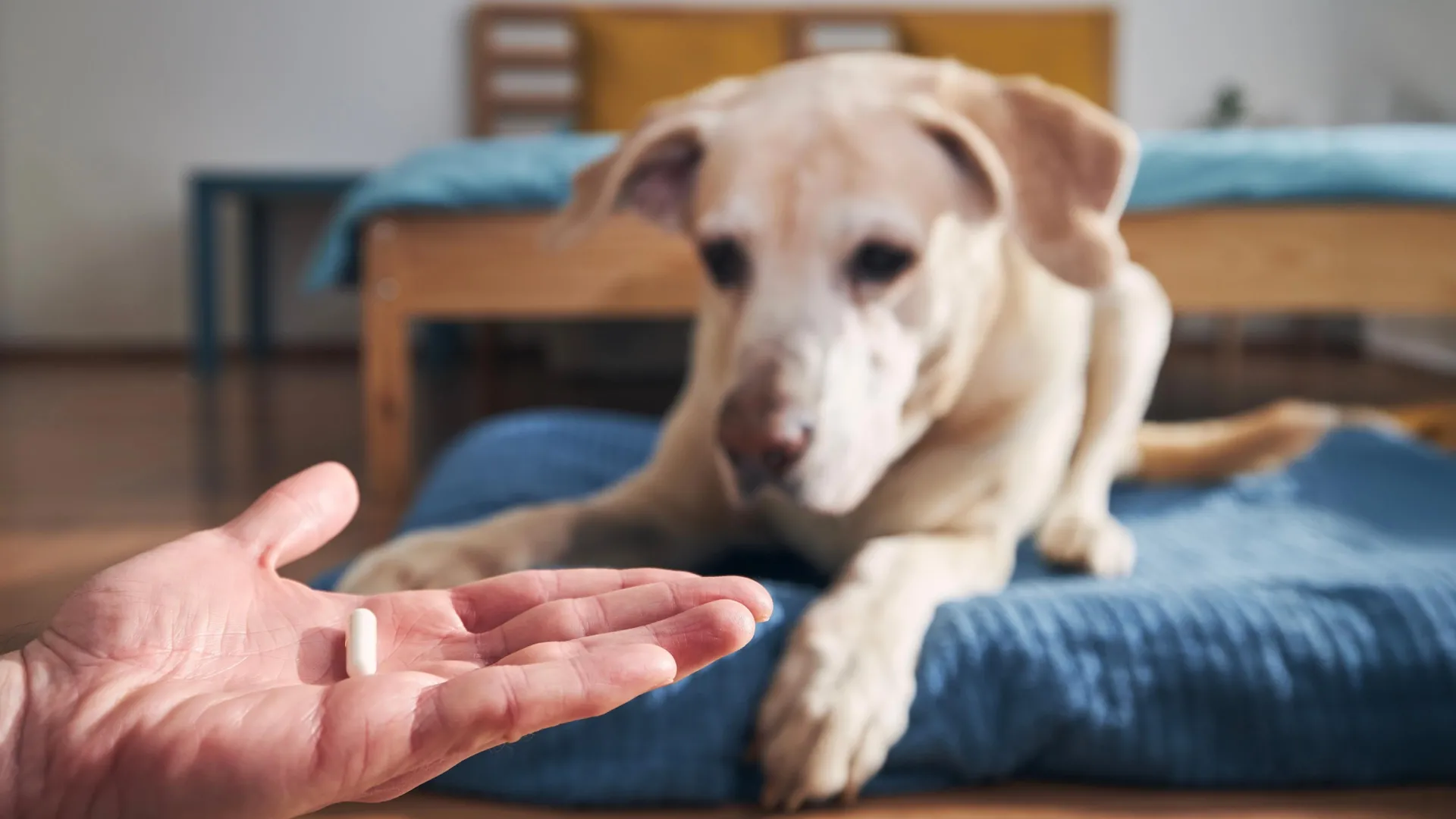
A study published in Environmental Toxicology and Chemistry by Oxford University Press reports that widely used flea and tick treatments for dogs and cats may pose a serious threat to insects in the natural environment.
Isoxazoline drugs are a relatively new class of antiparasitic medications prescribed by veterinarians around the world to protect pets from fleas and ticks. Introduced in 2013, they quickly gained popularity because they were the first oral treatments capable of controlling both pests for a month or longer. After pets take these medications, the active compounds pass through their bodies and are excreted in feces.
Drug Residues Enter Soil and Ecosystems
The European Medicines Agency has previously warned that these substances could contaminate ecosystems, although detailed information about how much of the drugs enter the environment remains limited. The main concern centers on how veterinary parasite treatments might affect species that are not the intended targets.
Isoxazolines are designed to kill fleas and ticks, but when treated animals eliminate the drugs, other insects may also be exposed. Research suggests pets can introduce these chemicals into the environment through feces, urine, and even shed hair. Of particular concern are dung-feeding insects such as flies, dung beetles, and some butterflies. These species play a vital role in breaking down waste, recycling nutrients, improving soil quality, and helping control pests. If they consume feces containing the drug residues, they may be harmed.
Study Tracks Isoxazoline Residues in Pet Feces
To better understand the risk, researchers in France monitored 20 dogs and 20 cats owned by veterinary students. The animals received isoxazoline treatments over a three month period. Scientists collected fecal samples to measure how much of the active ingredients remained and to estimate how much exposure dung-feeding insects could face.
The analysis focused on how these medications are eliminated in pet waste. Even after the recommended treatment period had ended, researchers detected two of the four active ingredients commonly found in isoxazoline products in the animals’ feces.
Potential Impact on Dung Feeding Insects
An environmental risk assessment based on these findings suggests that dung-feeding insects could experience high levels of exposure to isoxazoline compounds as a result of routine pet treatments. The researchers warn that this exposure could disrupt important ecological processes and potentially lead to serious consequences for environmental lifecycles.