dailynewsnblog
 Air China Cargo has expanded its Airbus A350F freighter commitment from six aircraft to 10, strengthening the European manufacturer’s foothold in the fast-growing Chinese cargo market and reinforcing the carrier’s long-term fleet modernization plans. Airbus confirmed the additional four aircraft order on May 26, marking another major endorsement for the next-generation widebody freighter program ahead of its planned entry into service later this decade.
The agreement is particularly significant because Air China Cargo was already the first airline from mainland China to order the A350F when it signed for six aircraft in November 2025. By converting its previously disclosed options into firm orders, the airline has now committed fully to a fleet of 10 aircraft that will become a central part of its future long haul cargo operations.
Airbus Strengthens Position In China’s Cargo Sector

The expanded order represents an important strategic win for Airbus in the global freighter market, which Boeing has historically dominated through aircraft such as the Boeing 747F and Boeing 777F. The A350F is Airbus’ newest purpose-built cargo aircraft and is designed to compete directly in the large widebody freight segment with improved fuel efficiency and lower emissions. The aircraft is powered by Rolls-Royce Trent XWB-97 engines and delivers up to 20% lower fuel consumption and carbon emissions compared with previous generation freighters of similar payload and range capability. Airbus also says the aircraft is the only freighter currently designed to fully comply with ICAO’s stricter 2027 carbon dioxide emissions standards.
The manufacturer has increasingly emphasized sustainability as a major selling point for the A350F program. The aircraft will be capable of operating with up to 50% sustainable aviation fuel at entry into service, with Airbus targeting 100% SAF capability by 2030 across its product line. Air China Cargo’s expanded order also boosts confidence in the overall A350F program at a time when airlines and cargo operators are evaluating future fleet replacement strategies. Industry data published alongside the announcement showed the aircraft had accumulated more than 100 orders globally before the latest Air China Cargo commitment was added.
Air China Cargo Moves From Options To Full Commitment

The additional four aircraft were not entirely unexpected. When Air China Cargo initially disclosed its plans in late 2025, the airline outlined a broader proposal for up to 10 A350Fs consisting of six firm orders and four purchase options. Regulatory filings in China earlier this year indicated the carrier was preparing to finalize those remaining aircraft.
The latest agreement formally completes that expansion strategy. Airbus stated that the additional freighters will support Air China Cargo’s “fleet optimization, capacity growth and long term development needs.” The carrier currently operates a mixed freighter fleet that includes Boeing 747-400Fs, Boeing 777Fs, and Airbus A330 converted freighters. Several of those aircraft types are aging, particularly the remaining 747 fleet, making modernization increasingly important for efficiency, maintenance costs, and environmental compliance.
The A350F’s range and payload capability are expected to position the aircraft for medium and long-haul international cargo routes, particularly as Chinese airlines continue expanding cross-border freight operations tied to manufacturing exports and e-commerce demand. Airbus says the aircraft can carry up to 111 tonnes of payload over approximately 8,700 kilometers. Deliveries are expected to begin near the end of the decade, with previous filings indicating aircraft arrivals between 2029 and 2031.
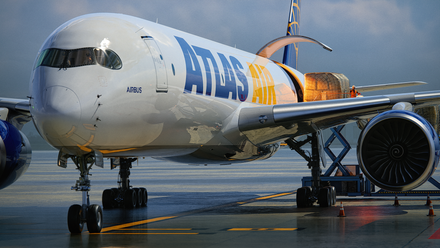
Meet The New King Of Cargo: Atlas Air Orders 20 Airbus A350Fs
The airline is making a major fleet investment.
A Growing Battle In The Global Freighter Market

The order also highlights intensifying competition between Airbus and Boeing in the dedicated freighter sector. Boeing has long held a commanding position through aircraft such as the 777F and now the forthcoming 777-8F, while Airbus has historically maintained a much smaller share of the cargo aircraft market. The A350F is Airbus’ most ambitious effort yet to challenge that dominance. Unlike converted passenger aircraft, the model was developed specifically as a next-generation freighter platform using the A350 passenger jet as its foundation. Airbus has targeted airlines seeking lower operating costs, improved environmental performance, and replacement options for older four-engine freighters approaching retirement.
For Air China Cargo, the decision also reflects broader growth expectations in the Chinese air freight sector despite periodic weakness in the global cargo market. Chinese airlines continue investing heavily in long haul freight capacity as the country remains central to international manufacturing supply chains and e-commerce logistics networks. The deal further deepens Airbus’ commercial relationship with Air China and the wider Chinese aviation market. Air China already operates Airbus passenger aircraft across multiple fleet categories, including the Airbus A350-900. Adding the A350F could create operational and maintenance commonality benefits for the airline group over the long term. While the total value of the latest agreement was not disclosed by Airbus, earlier filings tied to the original six aircraft order and four options suggested the overall package carried a multibillion dollar list price value before customary airline discounts.
Catch what other trackers miss
Emergency squawks, holds, NOTAMs — live signals, no signup.
Open tracker
Catch what other trackers miss
Emergency squawks, holds, NOTAMs — live signals, no signup.
Open tracker