dailynewsnblog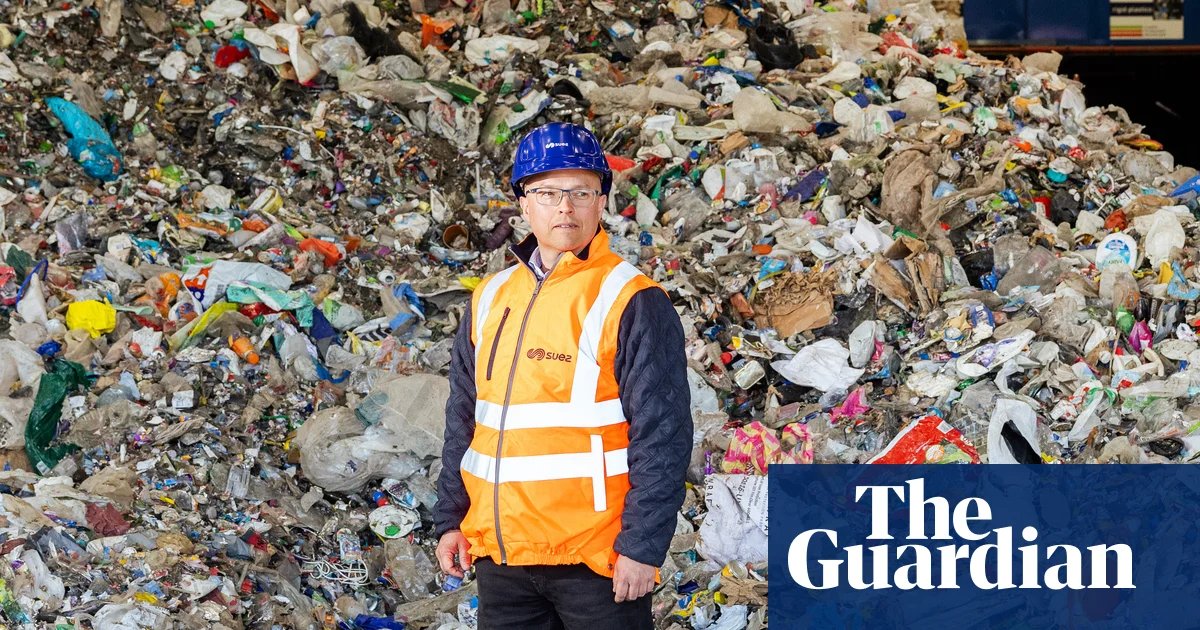
It is 2pm and Ana, 47, has just started the afternoon shift at the Suez recycling plant near Birmingham city centre, standing beneath a sign reading “Non-ferrous sorting station” with a bucket of vapes in front of her. Sorting and dismantling them is part of her job as a site operative.
Recycling them is not simple. Each bucket holds between 40 and 50 devices, and over the course of a shift, she gets through about half a bucket. Using a hammer, she has to smash each vape open, pry out the batteries and separate each component into a different container.
Single-use vapes were banned in June last year, but more than 6m vapes and vape pods are still being discarded every week in the UK. Waste management companies say the sheer volume is straining recycling systems, while hidden lithium-ion batteries inside the devices are causing fires.
As Ana works, a burst of sugary scent fills the air; she doesn’t worry about the vapes exploding, she says, it’s never happened to her yet. But while vapes may not be hazardous at this stage of the sorting, they can become dangerous when crushed or damaged, such as during waste collection and storage.
In 2025, there were 670 fires at Suez’s UK sites. Of those, 368 were confirmed to be caused by batteries or vapes, with a further 176 suspected to be linked. Those working at the sites say people simply do not understand that vapes cannot be thrown away, or think – wrongly – that they can be recycled alongside household products. Instead, they need to be taken to dedicated electrical recycling points.
“Vapes were suspected as the cause of over 80% of the reported fires across our sites last year, with the numbers and trend continuing so far in 2026,” says Dr Adam Read, the chief sustainability and external affairs officer at Suez.
“This is despite the ban on disposable vapes coming into effect halfway through 2025. With more than 6m vapes still thrown away every week, it is clear that the perception on these items remains that they are a throwaway item. The problem is that people often don’t realise the danger that batteries cause when not disposed of correctly, and think they are doing the right thing by putting them in with their recycling.”
Read adds: “Across the sector, we estimate around £1bn a year is being spent, or needs to be spent, dealing with this issue … Waste sites are now seen by insurers as some of the highest-risk facilities because fire is so prevalent.”
He recalls a major blaze at a site in Aberdeen four years ago that destroyed the facility. “It was £20m of investment gone … These are serious risks,” he says.
The root cause, Read says, is simple: frequency. “Other battery-powered items, like electric toothbrushes, don’t appear as often in the waste stream because people keep them for years. But vapes are used and thrown away constantly. It’s the sheer volume.”
Every fire investigation now starts the same way. “We’re almost always looking for lithium-ion batteries as the starting point, and then asking: was it a vape?”
While the disposable vape ban aimed to tackle the problem, industry figures say it has simply shifted it.
On the floor of the Birmingham recycling site, since operations began at 6am, about 150 vapes have already been found in just six hours. Staff say the devices have changed: instead of the once-ubiquitous disposable brands such as Elfbar, larger rechargeable vapes, such as Hayati, are now more common in the waste stream.
An Elfbar spokesperson said: “Depleted devices and refills should always be disposed of responsibly. Vapers are encouraged to use takeback services provided by retailers selling vapes, which have a statutory duty to accept them. Thousands of recycling points can also be found across the UK on Material Focus’s Recycle Your Electricals website.”
Hayati did not respond to attempts to contact it for a comment.
As these devices are often not much more expensive that disposables, critics argue there is little incentive for users to change their behaviour.
Steve Daniels, the operations manager at Suez, says: “We are seeing a change in the size of the vapes being thrown away, because they’re the ones that require charging. We used to see smaller vapes, like the 600-puff ones, but now, as you’ll see on the production floor, it’s the larger, rechargeable types – and they have bigger batteries.”
When recycling material enters the plant, it is first sorted by size. Larger non-conforming items (such as nitrous oxide canisters) are often removed. However, larger vape devices, which are becoming more common, are increasingly slipping through this stage and are instead identified later during aluminium separation, where they often appear among crushed cans.
Read says producers should bear more responsibility for the products they make. “We’ve argued that if a vape costs £10, there should be a £5 handling cost built in. That reflects the real cost of dealing with it safely,” he says. “That financial driver could change behaviour.”
Another proposed solution is a deposit return scheme for vapes, similar to those planned for drinks containers.
“If people could return vapes and get £1 or £2 back, you’d dramatically reduce the number ending up in general waste,” he says. “That could cut the fire risk by 70-90%.”
For now, the burden remains on workers such as Ana, carefully dismantling devices by hand, one bucket at a time.
A government spokesperson said: “We are determined for more vapes to be recycled correctly and safely, and have made it compulsory for all vape retailers to provide recycling bins. We will continue to work with Trading Standards and local authorities to build on the 10,500 takeback bins already on our high streets.”