dailynewsnblog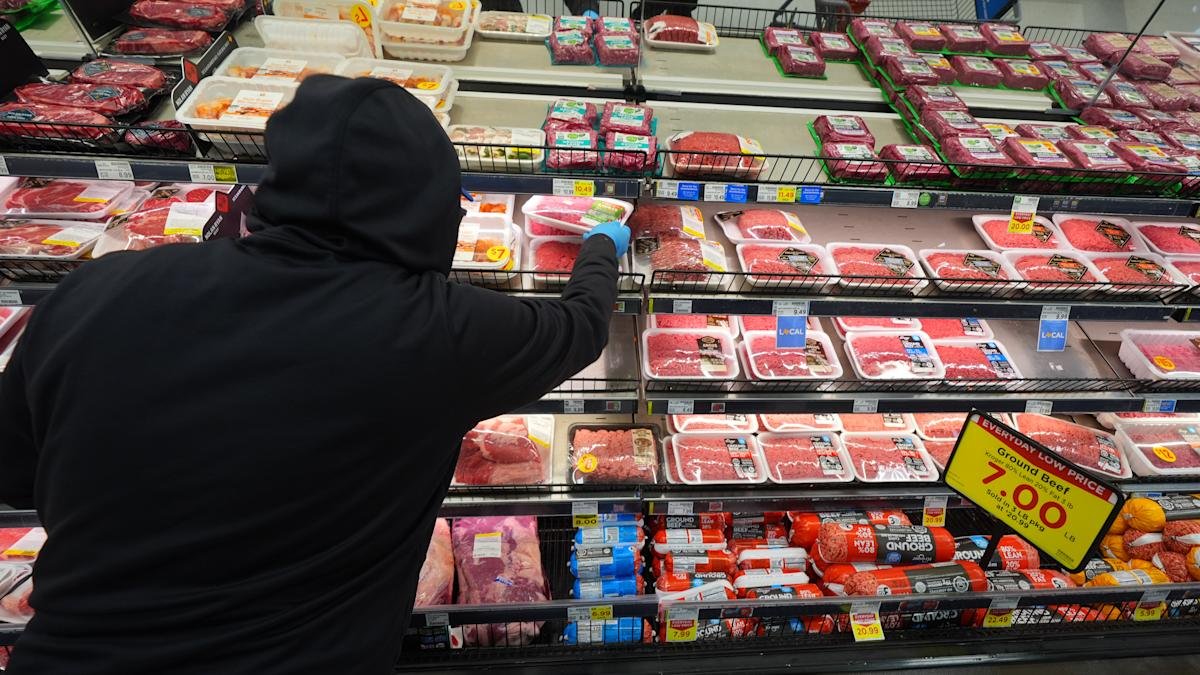
While most Americans reported they were doing OK financially or living comfortably last year, economic well-being deteriorated notably among Black adults, young people, and those with low incomes, according to a new Federal Reserve report published Wednesday.
Overall, 73% of adults said in an October survey that they were getting by, the Federal Reserve Board said in its report — down from levels seen just before and after the pandemic, but unchanged from 2024. That share was even higher among college graduates (86%), Asian adults (82%), and those earning over $100,000 (91%.)
It was a different story for Black Americans, who saw a steep drop-off in financial well-being: Just 60% reported they were doing OK or comfortable in 2025, down from 65% in 2024. Declines were also seen among adults ages 18-29, with 63% reporting financial stability, and those at the low end of the income spectrum.

For young people, the deterioration might have to do at least in part with a tough job market, the Fed said. Payroll growth was very low in 2025, and the unemployment rate for recent college graduates crept up. The share of people under 30 still living with their parents is also soaring, with 49% reporting that arrangement last year — up 12 percentage points since 2019.
Additionally, “the 15 percent of young adults not working because of an inability to find a job in 2025 was three times that seen among adults age 30 and above,” the report noted.
Higher costs likely didn’t help people’s perceptions of their own financial situations, either. Lower-income and younger Americans were more likely to be concerned about price increases, with 66% of adults making less than $50,000 citing price hikes as a major concern, compared to 42% of those making above $100,000. Another strain emerged with rent: Though the median rent was steady at $1,200, more renters reported being behind on a housing bill in the past year than in 2024, especially if they were low-income.
Still, the overall share of people who said price increases were a major or minor concern remained flat — though it was by far Americans’ biggest worry financially — while anxiety about finding or keeping a job ticked up. Perhaps as a result, the percentage of adults ranking the national economy as good or excellent slid to 26%, better than 2022’s level of 18% but far worse than 2019’s rate of 50%.
“Favorable perceptions of people’s local economy and the national economy declined over the prior year and remained much lower than in 2019, before the pandemic,” the report said.
Emma Ockerman is a reporter covering the economy and labor for Yahoo Finance. You can reach her at emma.ockerman@yahooinc.com.