dailynewsnblog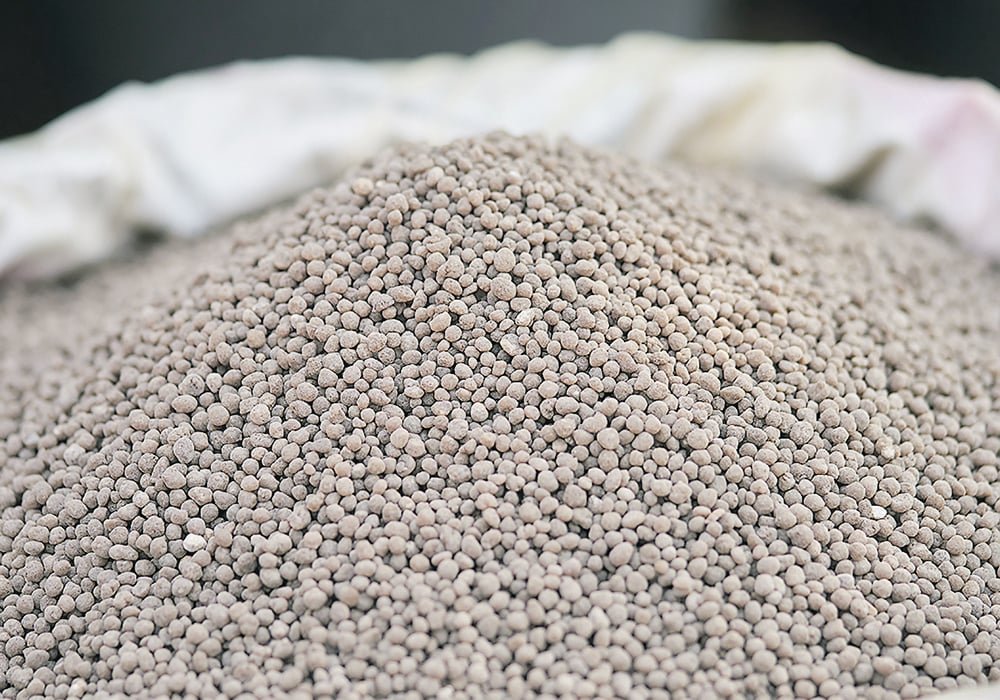
Canada possesses the natural resources, expertise and industrial capacity to become a global food superpower. But success is not guaranteed. It requires a deliberate commitment to policies that support the industries underpinning our agricultural strength.
October 13 marks Global Fertilizer Day — an opportunity to recognize one of modern agriculture’s most consequential innovations and consider how Canada can build on it to help feed the world.
The day commemorates the discovery of the Haber-Bosch process, which enabled industrial-scale ammonia production by combining nitrogen from the air with hydrogen. This breakthrough transformed agriculture, dramatically increasing crop yields and helping sustain a rapidly growing global population.
It is a remarkable example of innovation’s power to change the world and a reminder of fertilizer’s essential role in global food security.
Canada is among the world’s leading fertilizer producers. Plants require several nutrients to thrive, including three primary macronutrients: nitrogen, phosphorus and potassium.
Saskatchewan holds some of the world’s largest potash deposits, making Canada the leading exporter of this essential crop nutrient. The country also has nitrogen fertilizer manufacturing facilities stretching from Alberta to Ontario, serving domestic and international markets.
The industry’s contributions extend beyond agriculture. Canada’s fertilizer sector supports more than 118,000 jobs throughout the supply chain and generates over $42 billion annually in economic activity.
Yet its significance goes beyond these figures.
Farmers depend on reliable access to essential nutrients to grow crops that feed Canadians and people worldwide. Behind every successful growing season is a network of producers, distributors, retailers and transportation providers ensuring products reach farms during narrow application windows.
This makes the fertilizer industry central to a larger national opportunity: strengthening Canada’s position as a global food superpower.
From agricultural production to processing and exports, our food system has enormous potential to drive economic growth, expand trade relationships and bolster global food security. Realizing these opportunities requires policies that encourage investment, innovation and competitiveness across the supply chain.
The federal government has taken encouraging steps.
The introduction of a Food Security Strategy recognizes the importance of strengthening agricultural capacity. The Productivity Mega Deduction offers incentives for investment, while Bill S-7, the Cutting Red Tape for All Canadians Act, proposes regulatory reforms, including streamlined fertilizer product approvals.
Similarly, Bill C-39, the Building Canada Strong Act, represents progress toward improving supply chains and facilitating the movement of Canadian goods to domestic and international markets.
These initiatives acknowledge a fundamental reality: Canada’s economic potential depends on attracting investment, developing infrastructure and moving products efficiently.
But becoming a global food superpower demands greater ambition.
Reliable transportation networks are essential to agriculture and the broader economy. Disruptions can prevent fertilizer from reaching farmers, delay exports and damage Canada’s reputation as a dependable trading partner. While recent legislative proposals are encouraging, additional measures are needed to protect critical transportation corridors from prolonged interruptions, including stronger mechanisms for resolving labour disputes before they threaten the national economy.
Maintaining a competitive investment climate is equally important. Fertilizer manufacturing requires substantial long-term capital commitments, with decisions made in an intensely competitive international market. Predictable taxation, efficient regulatory processes and timely infrastructure approvals are essential to attracting and retaining investment.
Environmental policies must also reflect the operational realities of emissions-intensive, trade-exposed industries and the availability of commercially viable decarbonization technologies. Advancing innovation and reducing emissions must go hand in hand with preserving Canadian producers’ competitiveness.
These priorities are closely connected. Without dependable infrastructure, effective regulation and favourable investment conditions, Canada risks missing opportunities to expand production, develop new technologies and reinforce its contribution to global food security.
More than a century ago, a breakthrough in fertilizer manufacturing transformed humanity’s ability to produce food. Today, continued innovation presents new possibilities to improve nutrient efficiency, reduce environmental impacts and increase agricultural productivity.
On Global Fertilizer Day, we should celebrate that extraordinary progress while recognizing the opportunities ahead.
Canada possesses the natural resources, expertise and industrial capacity to become a global food superpower. But success is not guaranteed. It requires a deliberate commitment to policies that support the industries underpinning our agricultural strength.
With the right conditions for investment, innovation and growth, Canada can do more than feed its own population. It can help nourish the world.
Michael Bourque is the president and CEO of Fertilizer Canada.
The views, opinions and positions expressed by all iPolitics columnists and contributors are the author’s alone. They do not inherently or expressly reflect the views, opinions and/or positions of iPolitics.