dailynewsnblog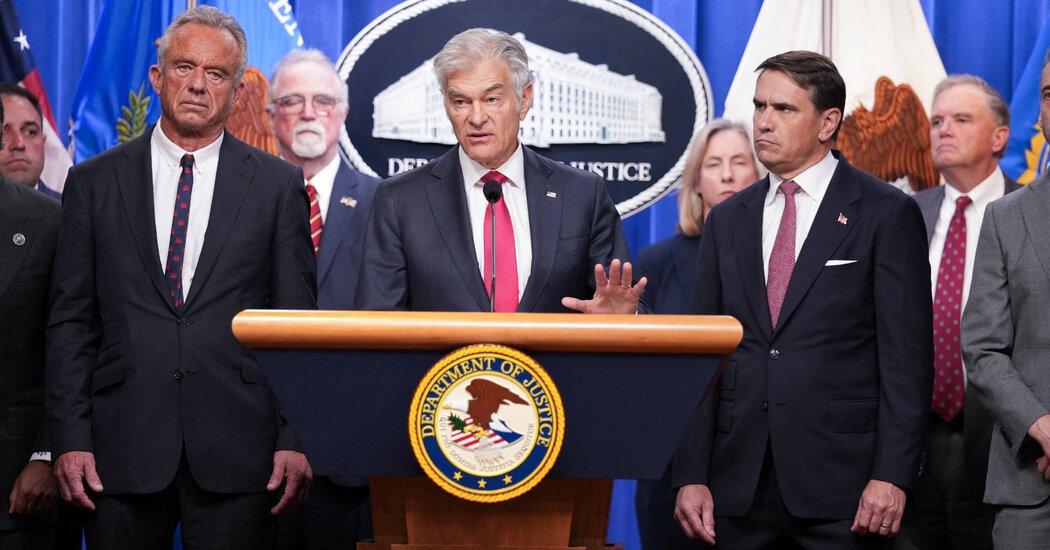
Medicare paid over $10 billion in 2024 for expensive wound coverings called skin substitutes, a sudden spending spike that analysts have called one of the largest examples of waste in the federal health program’s history.
The spending was fueled by multiple kickback schemes that enriched both the companies that manufactured skin substitutes and the doctors and nurses who applied them, according to charges the Justice Department is planning to unveil on Tuesday.
The department is charging five people, including an executive of a skin substitute company featured in an investigation by The New York Times in 2025 and a nurse practitioner who owned a network of wound care clinics. The government claims they used their Medicare earnings to buy expensive cars, homes, jewelry and, in one instance, to fund the construction of a luxury resort in the Philippines.
For decades, skin substitutes, which are made from dried placenta, were a niche product with mixed evidence of efficacy that doctors occasionally used to treat wounds.
That changed in the early 2020s, when skin substitute manufacturers began taking advantage of a policy loophole that allowed them to set reimbursement rates for their products. In 2019, the most expensive skin substitutes cost $1,042 per square inch. By 2025, some products on the market cost more than $21,000, despite no major advances to the technology.
The Trump administration closed the loophole in July 2025, setting a fixed rate of $806, after initially delaying a Biden-era proposal to limit Medicare’s coverage of the bandages.
A significant share of Medicare’s skin substitute spending went to Legacy Medical Consultants, a company based in Fort Worth, Texas, that made at least $2.6 billion from the federal health program.
Legacy’s vice president of sales, Brian Rowan, was charged Monday with “offering illegal kickbacks, bribes and rebates” to providers that used Legacy Medical’s skin substitutes. He was arrested Monday. The Justice Department estimated that he earned $24 million from the scheme.
The charges describe a marketing document that Mr. Rowan gave to a sales representative, saying the size of the rebate they could receive was based on how large of a skin substitute they applied. The government claims that Mr. Rowan instructed doctors to file Medicare claims for the full sticker price of the skin substitutes — and not mention the significant rebates they had received.
The charging documents describe Mr. Rowan assisting health care providers with setting up shell companies in which the manufacturer could deposit doctors’ rebates. Amounts as large as $71 million would be wired into those accounts, the documents said.
The charges against Mr. Rowan list some of his purchases with the Medicare funds, including a $47,000 Rolex watch and a life insurance policy that cost $1 million.
Mr. Rowan is the first skin substitute executive to face criminal charges of Medicare fraud.
In a separate case, the Justice Department charged a Nevada nurse practitioner, Marizel Yukee, with both receiving kickbacks from a skin substitute manufacturer and also paying them to health care providers who would refer Medicare patients to a network of wound clinics that she owned. The government alleged that she sometimes applied skin substitutes to patients who were in hospice and terminally ill, raising questions about whether the treatment was necessary since the wounds were unlikely to heal before their deaths.
The charging documents say Ms. Yukee’s clinics typically submitted more than $1 million in skin substitute claims per Medicare patient, an extremely high amount. Overall, prosecutors estimate she was paid $297 million for false and fraudulent claims.
She used that money, the documents say, to purchase a $600,000 Ferrari, a $865,000 Bulgari necklace and a multimillion dollar home in Hawaii, as well as to fund the construction of a “$4.6 million beach resort in the Philippines.”
The government now plans to seize eight properties and eight cars, including the Ferrari.
The Justice Department did not bring charges against executives of another large skin substitute manufacturer that has earned more than $1 billion.
That company, Extremity Care, donated $5 million to MAGA Inc., a political committee supporting President Trump, in February 2025. Its chief executive, Oliver Burckhardt, attended a dinner at Mr. Trump’s estate in Florida, where he spoke briefly with the president about his company’s work and handed him a flier on the issue.
A Justice Department spokesman declined to comment on whether the agency was pursuing any investigations related to Extremity Care.