dailynewsnblog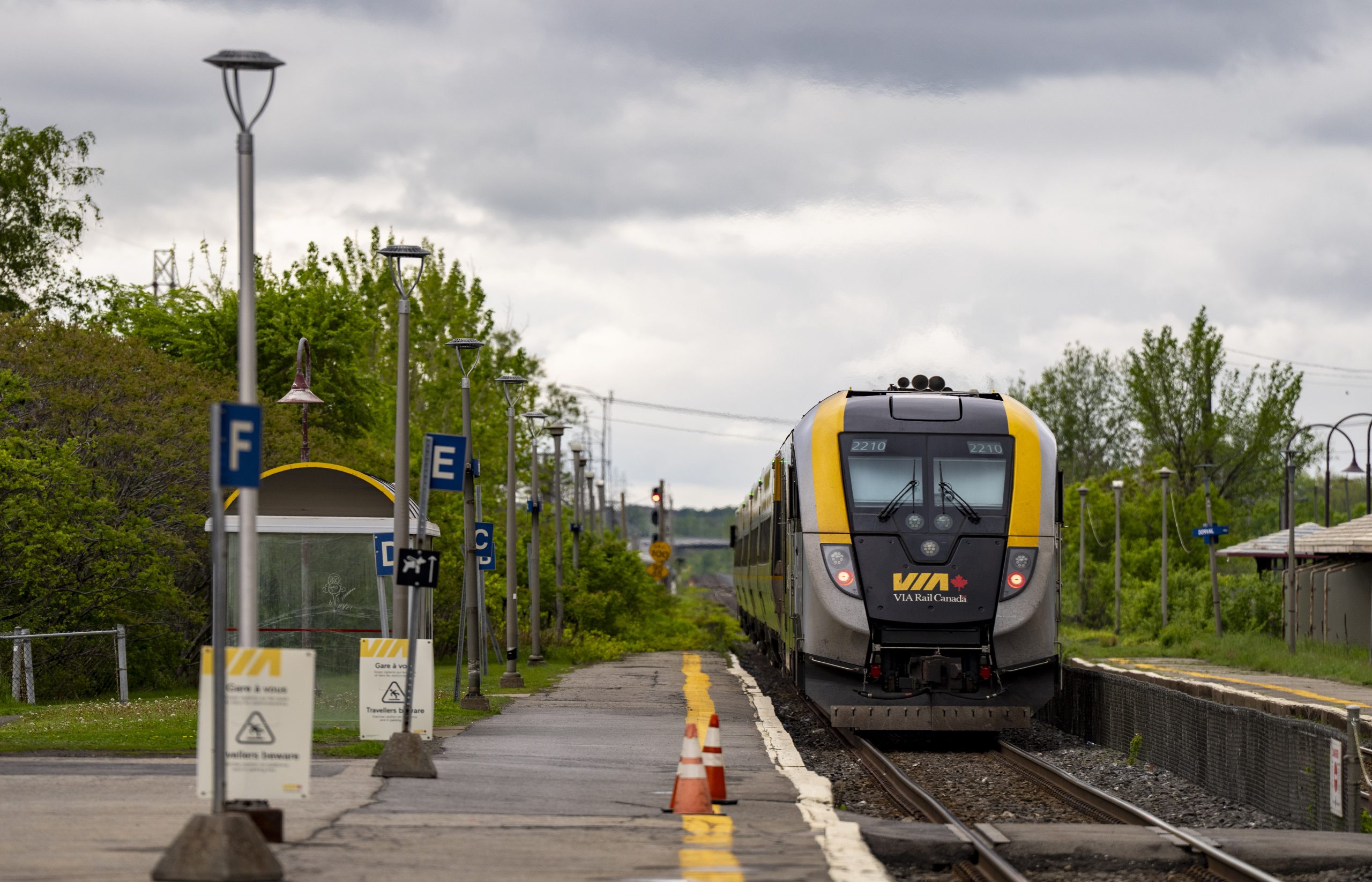
Transport Minister Steven MacKinnon said it would mark the first time in decades that passenger locomotive vehicles are assembled in Canada.
The federal government is replacing Via Rail’s long-haul trainsets as part of a nearly $2 billion investment that includes a new assembly and maintenance facility in Montreal.
Transport Minister Steven MacKinnon said it would mark the first time in decades that passenger locomotive vehicles are assembled in Canada.
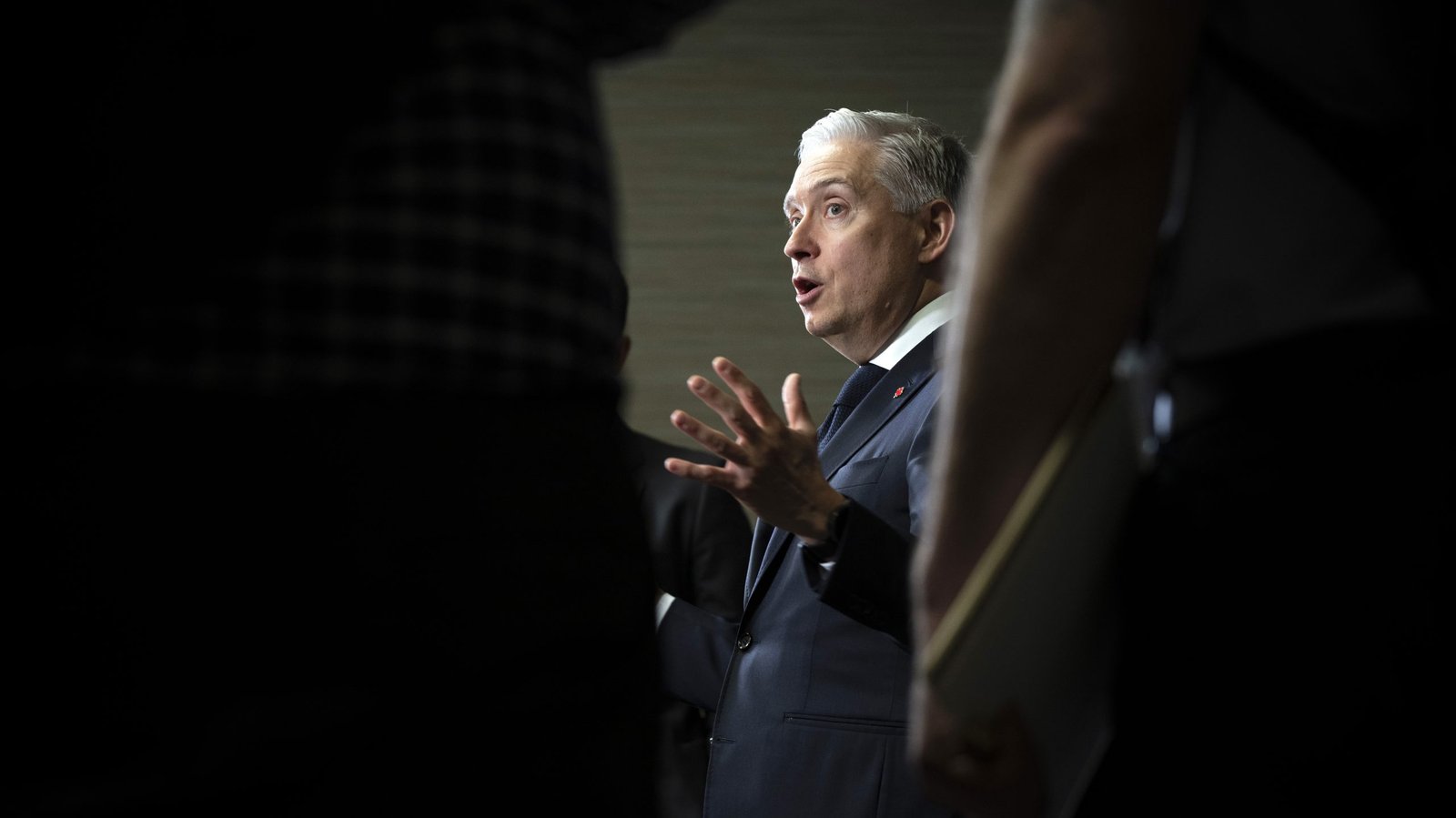
“This announcement is about far more than new trains. It’s about building our country, supporting our workers, supporting passengers, creating good jobs, and developing expertise right here in Canada,” he said during a press conference in Montreal on Wednesday.
Under the deal, Swiss-based Stadler will supply 45 trainsets to Via, while final assembly and testing of up to 36 vehicles will take place in a new facility in Montreal. Pomerleau will build the new facility, which later serve as the maintenance centre for the trains.
Manufacturing will take place in Spain.
The government said the the trainsets will cost $1.6 billion, while Ottawa will spend $357 million on building the assembly and maintenance facility.
The hybrid battery-diesel vehicles will serve routes outside of Via’s busy Windsor-Quebec City corridor. The batteries work by optimizing and reducing fuel consumption, and the government said it would lay the “groundwork for future zero-emission propulsion.”
ABB will supply the batteries from a facility in the Montreal area.
Miguel Cerdá, a Stadler vice-president who joined MacKinnon and others at the press conference, said the trainsets have been “specifically designed to meet Canada’s demanding operational requirements,” including zero-noise rules and operating at temperatures as low as -50 degrees Celsius.
He said Stadler vehicles already operate in similar cold-temperature environments including the Nordic countries and are “reliable during harsh winters.”
Cerdá added that Stadler will establish a new Canadian organization to “support the fleet through its life cycle, ensuring high availability, reliability, and performance for decades to come.”
The government said it expects the project to create 1,200 full-time jobs, in addition to generating other benefits across the rail supply chain.
Via has already debuted new trainsets for the corridor after receiving federal funding in the 2018 budget.
During the press conference, MacKinnon was asked about media reports that Ontario was considering pulling its support for the Alto high-speed rail project after he rejected the province’s plan to expand the runway at Billy Bishop airport in downtown Toronto.
He said Alto would “redefine travel” between Canada’s largest cities and hoped to have the support of both the Ontario and Quebec governments.
He praised the Ford government for its “extraordinary cooperation on a number of very, very important economic projects” and said that this cooperation “would continue.”
“These are important, critical things, and Canadians want us to roll up our sleeves.”