dailynewsnblog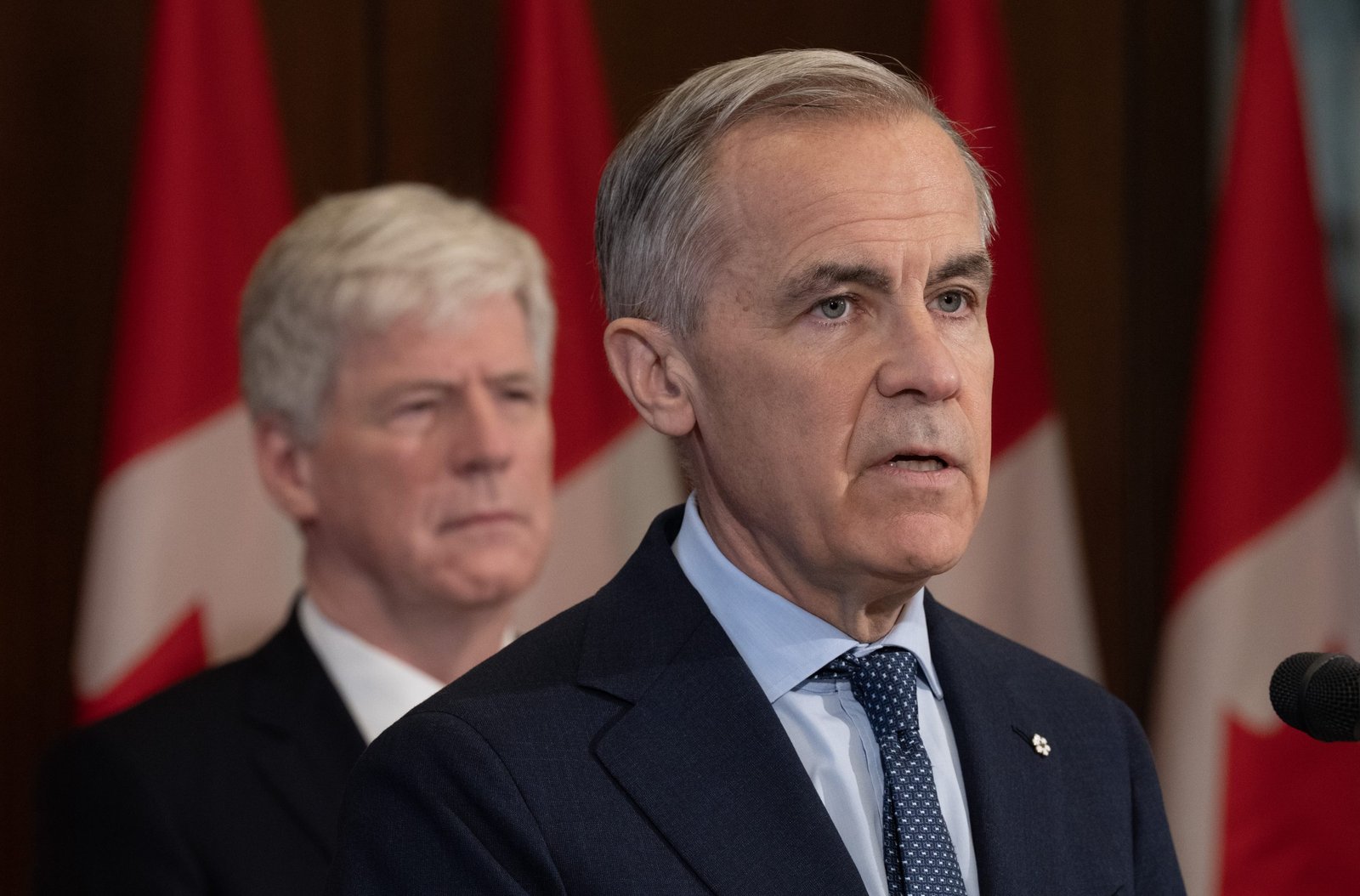
The Oil Sands Alliance is the latest industry voice to warn the federal government about the impacts of an “uncompetitive” carbon price.
Former Suncor executive Martha Hall Findlay helped build the pitch and sell the vision for the massive Pathways carbon capture project – but she’s now among the first publicly calling for it to be shelved.
In an op-ed late last week, she argued Canada should back away from carbon capture and storage and focus on infrastructure like pipelines.
She told iPolitics the piece got a lot of attention. “People know how much I put into Pathways, people know the thing practically killed me.”
Findlay worked on Pathways for years before taking on a role with the University of Calgary.

She now argues the project is the wrong solution at the wrong time, citing global political and energy uncertainty. She also says it’s too small a lever to move the needle on global emissions.
“When we started the project, all around the world countries were working on how to reduce emissions,” she said. “It was a moment in time, a global consensus of sorts, that we all needed to do our part.”
“But in a world where most countries are not focused on that, it doesn’t make sense to me for Canada to be out there alone.”
READ MORE: What the Carney government’s pivot to carbon capture means for the climate
The Pathways project is directly tied to Alberta’s pitch for a new northwest bitumen pipeline. The Alberta-Ottawa energy deal from last fall spells out how one will not happen without the other.
But negotiations on carbon pricing, which are central to the economics of Pathways, have stalled in recent weeks, with the province and federal government blowing past the April 1 deadline.
Carbon pricing central to carbon capture
Amid the impasse, the Oil Sands Alliance put out a statement Monday undermining the case for carbon pricing and complicating the future of Pathways.
The five members in the alliance – Canadian Natural, Cenovus Energy, ConocoPhillips Canada, Imperial, and Suncor – say they are still “committed” to reducing emissions intensity, “including advancing a world scale carbon capture and storage project.”
But they say such a project requires a supportive regulatory and fiscal framework, “not an uncompetitive industrial carbon tax… which would limit our industry’s ability to attract investment and grow.”
It is unclear if the $130 per tonne effective minimum price outlined in the Alberta-Ottawa Memorandum of Understanding (MOU) is a price considered “uncompetitive” by the oil patch.
The Oil Sands Alliance declined to answer follow-up questions from iPolitics.
“We cannot comment beyond our press release from Monday while confidential MOU discussions are underway,” said a spokesperson.
READ MORE: ‘Every day I fight to even keep an industrial carbon price’ environment minister says
It is also unclear whether the pressure campaign will lead to a change in position in Ottawa.
In an unrelated press conference in late April, Prime Minister Mark Carney was asked about the delay to reaching a carbon pricing agreement, with one reporter mentioning the industry’s concern about remaining competitive in a global context.
“Oil and gas is actually quite attractive,” said Carney. “If you can produce oil and ship it, it is quite attractive.”
A written statement from the spokesperson for Energy Minister Tim Hodgson suggests the federal government isn’t willing to budge on Pathways.
“Canada has been clear that reducing carbon emissions is not just a moral imperative, but a massive economic opportunity,” it reads.
“Carbon capture and storage is a key pillar of Canada’s energy agreement with Alberta and a critical tool for cutting emissions in our oil and gas sector.”
The statement goes on to say that the federal government will work with the Oil Sands Alliance to move Pathways forward as a precondition to a new bitumen pipeline.