dailynewsnblog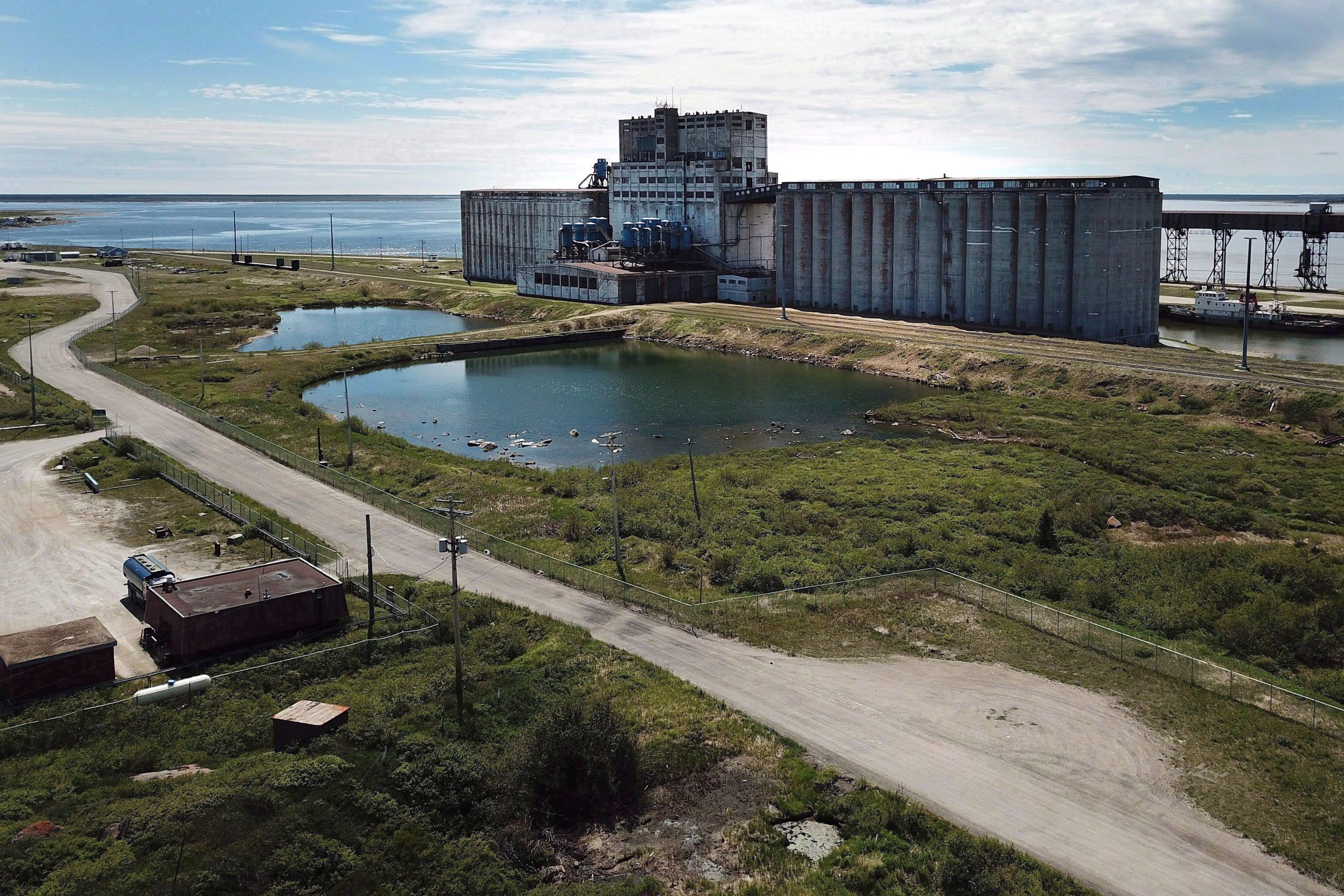
Communities are supportive of upgrading and using the corridor more but draw a hard line at oil, according to a heavily redacted 2023 study.
A 2023 study commissioned by Transport Canada found workable, near-term opportunities to move more cargo through the Port of Churchill with minimal upfront investment, but calls the overall feasibility of a significant expansion “nuanced.”
iPolitics obtained the report by private consultant PwC in response to an informal access-to-information request after it was referenced in a departmental briefing to Parliament.
Transport Canada withheld large portions of the study, citing exemptions under the Access to Information Act that protect confidential third-party commercial information.
But the unredacted portions paint a picture of what the Carney government knew about the northern Manitoba project before naming it as a ‘transformative strategy’ to be studied by the Major Projects Office last fall.
The Port of Churchill Plus project aims to create a deepwater Arctic port that can be used year-round. This would involve upgrading existing port facilities, modernizing the rail line, building an all-weather road, purchasing marine ice-breakers and creating a new energy corridor that could involve natural gas or oil infrastructure.
In February, Ottawa launched a new study to gauge industry interest in shipping through Churchill, specifically focusing on how an expansion could influence imports, exports, supply chains and investment in the region.
Mining and grain shipments as ‘strong’ opportunities
The last time the government put these questions to industry, as part of the 2023 study, the results pointed to a wide range of development opportunities: some readily available, others higher-cost, and some with low market potential.
In one scenario, where current activity levels continue — seasonal shipments, resupply of northern communities, passenger rail — the corridor would generate some $26.5 million in GDP and 253 jobs over roughly three decades. Under the most expansive scenario, which folds in every opportunity down to the speculative and conceptual, that rises to about $301.8 million and 2,657 jobs.
The bigger figures likely reflect the greater capital spending these scenarios require, but that spending, along with the profitability figures, are redacted.

In response to questions from iPolitics, Port of Churchill owner Arctic Gateway Group CEO Chris Avery says an upgraded railway and year-round shipping would be “transformative for the economics of shipping from northern Manitoba.”
The report indicates that every scenario considered would leave the corridor’s operator short of covering its costs, requiring government funding at levels the report also withholds.
“Under any scenario, the investment and potential revenue from the development of the [Port of Churchill Plus] will require multiple years to be realized, both in terms of capital investment and the time needed to fully develop the markets.”
Feedback from oil and gas players is also mostly redacted, but the report files both commodities under its “opportunities with weak market potential” heading.
Communities explicitly reject oil
The study states that communities voiced broad support for more use of the railway and the port generally, although “viewpoints on the most attractive opportunities… varied significantly.”
“Aspirations include the movement of select commodities, additional tourism and local job creation. However there was significant opposition to any plans involving the movement of oil,” notes the report.
It adds that, beyond the financial considerations of an expansion, the rail and port act is a “lifeline” for communities in the region.
“Communities indicated a consistent view that it would be beneficial for all users that the [Port of Churchill and rail] be upgraded and utilized more, as long as the fragile ecosystem of the region is a major consideration.”
Context has changed, according to port CEO
Avery says the 2023 report “predates Canada’s renewed focus on major projects” and that it provided “an assessment at a particular point in time.”
He says the findings of the 2023 report “reinforced” the Arctic Gateway Group’s strategy over the last few years, pointing to a recent export of grain and critical minerals, including a trial shipment of potash, which requires more specialized infrastructure.
According to the report, attracting some shippers would require a six-month shipping season, roughly double the port’s current navigation window.
It cautions, however, that the investment in icebreaking capacity needed to reach a six-month season would be “fraught with significant challenges including high cost and a complex regulatory process.”

Arctic Gateway Group is pushing to establish year-round shipping through the port, and has partnered with Montreal-based Fednav to determine what that would take. The review began this winter and could be completed within the year.
Fednav has also been lobbying Ottawa on the file: the company’s registration lists “Port of Churchill and Shipping in the Arctic” as a subject matter, and it met Energy and Natural Resources Minister Tim Hodgson, his chief of staff and a senior NRCan official on the topic in April.
Amid pipeline and LNG proposals
Since 2023, Manitoba has been in negotiations with “one of Canada’s biggest energy companies” about becoming involved in developing the Port of Churchill, according to Premier Wab Kinew.
Earlier this month, Ontario Premier Doug Ford and Alberta Premier Danielle Smith announced they would launch a feasibility study for a 3,300 km crude oil pipeline that would connect the oil sands to Sarnia, with one branch that could potentially go up to the Port of Churchill.
Manitoba Premier Wab Kinew declined to join the proposal, citing the need for further consultation with First Nations, though he has said he is open to the idea. His office did not respond to a request for comment on the report.
In its 2025 strategy document, Arctic Gateway Group says the port can “play a role in liquified natural gas and clean-energy opportunities.”
Canada’s LNG landscape has changed since the 2023 study, with LNG Canada launching operations in 2025. Several other export projects on the B.C. coast are also under construction or approaching a final investment decision.
Shipping to Europe from Canada’s West Coast means a long haul. Part of Churchill’s pitch is offering a shorter route from the Prairies to Europe out through Hudson Bay.
But European buyers may have more flexibility when it comes to routes for LNG. In May, Germany’s state-owned SEFE signed a preliminary agreement to take 1 million tonnes a year from the proposed Ksi Lisims project in northern B.C., LNG that would mostly be swapped or resold rather than shipped directly to Europe.
Transport Canada did not respond to a request for comment.
READ MORE: Most German-bought Ksi Lisims LNG bound for global swaps, not Europe