dailynewsnblog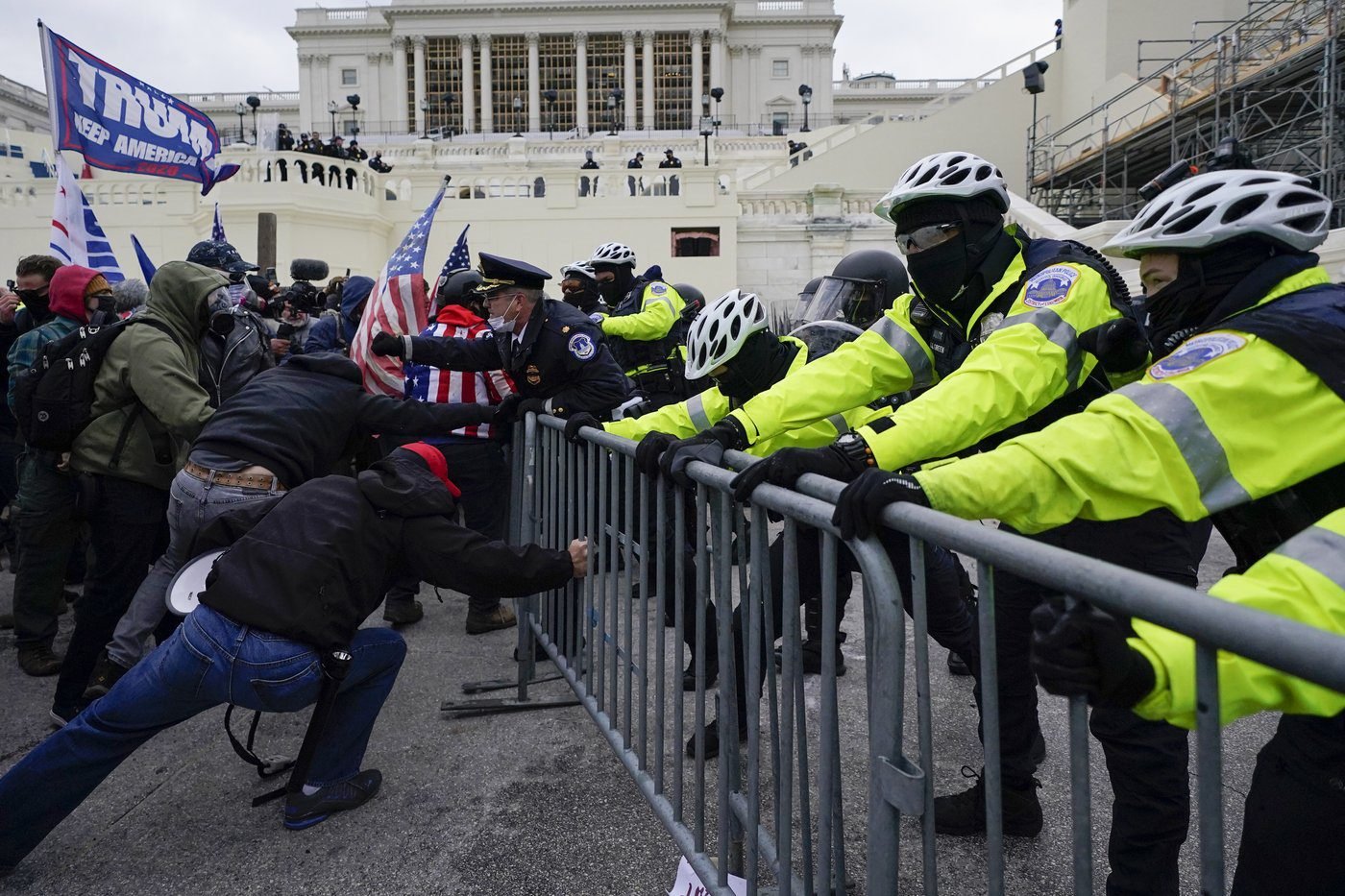
PHOENIX (AP) — A federal judge on Friday threw out a defamation lawsuit against Fox News, ruling for a second time against a former Donald Trump supporter who said he received death threats when the network aired false conspiracy theories about his involvement in the Capitol insurrection on Jan. 6, 2021.
Raymond Epps, a former Marine, was falsely accused by Fox of being a government agent causing trouble near the Capitol that day so that it would be blamed on Trump fans. He said he and his wife sold an Arizona ranch where they lived and moved into a recreational vehicle because of the harassment they faced after Fox’s reports.
U.S. District Judge Jennifer L. Hall in Delaware granted Fox’s motion to dismiss the case, finding Epps failed to show enough evidence to prove that Fox knew its statements were false.
The judge previously dismissed the case in 2024 but gave Epps a second chance to file his case. Her Friday ruling said he still fell short.
Epps had named Tucker Carlson, who was fired from Fox in April 2023, as being the most active promoter of the conspiracy theory. At the time, Carlson hosted Fox’s most popular show. Epps was featured in more than two dozen segments on Carlson’s prime-time show, the lawsuit said.
“In the aftermath of the events of January 6th, Fox News searched for a scapegoat to blame other than Donald Trump or the Republican Party,” lawyers for Epps wrote in their lawsuit. “Eventually, they turned on one of their own.”
In a statement Friday night, Fox News said it was “pleased with the federal court’s ruling, further preserving the press freedoms of the First Amendment.”
Epps pleaded guilty to a misdemeanor charge related to the Jan. 6 riot and was sentenced to a year of probation. He was later pardoned by Trump alongside 1,500 others who received clemency for their roles in the insurrection.
Federal prosecutors have backed up Epps’ vehement denials that he was a government plant or FBI operative. They say Epps has never been a government employee or agent beyond serving in the U.S. Marines from 1979 to 1983.
Jonathan J. Cooper, The Associated Press