dailynewsnblog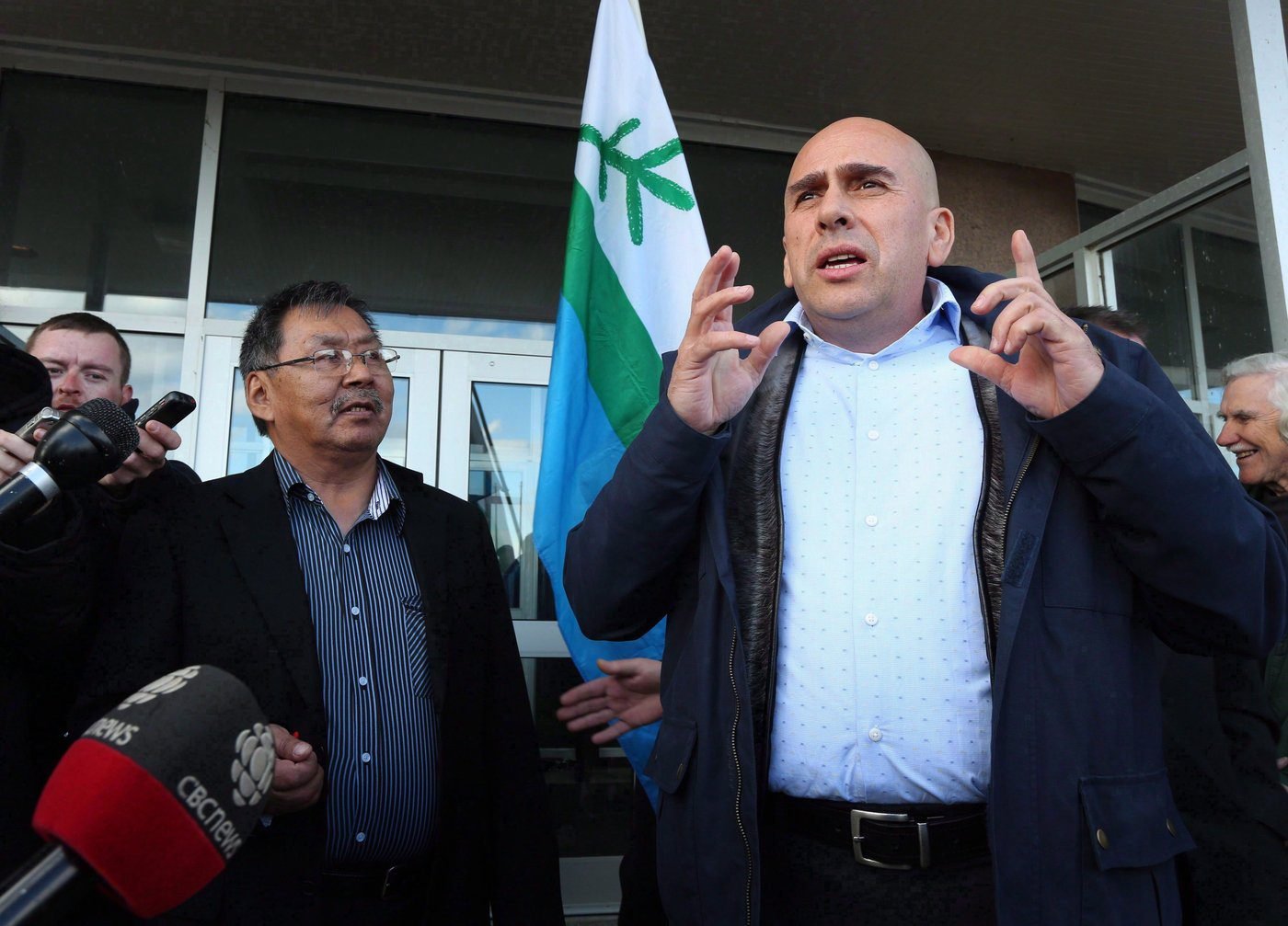
ST. JOHN’S — A group that says it represents about 6,000 Inuit in southern Labrador has launched its own fishery outside of the oversight and authorization of the federal Fisheries Department.
The NunatuKavut Community Council, or NCC, has been encouraging its members to fish together if they are worried about enforcement by Fisheries and Oceans Canada, which says any fishing under the council’s unauthorized harvesting plan is illegal.
The dispute is the latest source of friction involving the NCC as it pushes for federally mandated rights as an Inuit group, despite lacking recognition by any federally recognized, rights-holding Inuit collective.
“We do this work … so that our people can have food forever, their own foods, their traditional foods, doing it in a way that passes along our traditions and our culture,” said NCC president Todd Russell in a recent interview.
“There is no sustainability, there is no certainty with our food fishery under a DFO-solely controlled licence.”
The community council unveiled its NunatuKavut Inuit fisheries harvesting plan last month, saying it is a key step toward self-governance and management of its own resources. Under the plan, the council would administer its own fishing tags and dictate which species can be fished when and where.
Russell said he did not submit the plan to the Fisheries Department for approval.
Julie Diamond, DFO’s director of resource management and Indigenous fisheries, confirmed that the plan was not authorized by the department. Any fishing outside of DFO licences, or using tags that are not issued by the department, “is unauthorized or illegal,” she said in a recent interview.
“It’s not authorized, so it’s an illegal fishery,” Diamond said.
The council’s website says it will support its members if DFO officers intervene. A charge from the department is not criminal, but rather “like a parking ticket, in terms of impact to criminal record search,” the website says.
Some NCC members are now fishing salmon under the community plan, and Russell said several have said DFO temporarily confiscated their nets and took their fish. Diamond wouldn’t comment on specific enforcement actions, though she said there were investigations underway.
The NCC held Food, Social, and Ceremonial fishing licences for more than 20 years, and DFO offered a new one in early June, Diamond said. The department administers the licences to Indigenous groups to uphold their right to fish under Section 35 of the Constitution Act, which guarantees the ancestral rights of Indigenous Peoples.
Russell said the DFO-managed licence did not meet NCC members’ needs, and it could be withdrawn at any time.
“We were, every year, trying to negotiate something that was reasonable for our people, and that’s just not the way that Section 35 rights are expressed or respected or recognized in this country,” he said.
NunatuKavut Community Council is not recognized as an Inuit collective by the Inuit Nunatsiavut government in northern Labrador or Inuit Tapiriit Kanatami, which represents Inuit in Canada. It is also not recognized by the Innu Nation in Labrador.
The council has long pointed to a 2019 memorandum of understanding it signed with the federal government under former Liberal prime minister Justin Trudeau, which said the group is an “Indigenous collective capable of holding Section 35 Aboriginal rights.”
In 2024, the Federal Court ruled the agreement doesn’t affect legal rights and does not recognize the NunatuKavut Community Council as an “Aboriginal people of Canada.”
An emailed statement from the federal Department of Crown-Indigenous Relations said a decision about whether the NCC had section 35 rights is “currently with the (department.)”
“For that reason, it would be inappropriate to comment further,” said spokesperson Eric Head.
This report by The Canadian Press was first published July 6, 2026.
Sarah Smellie, The Canadian Press