dailynewsnblog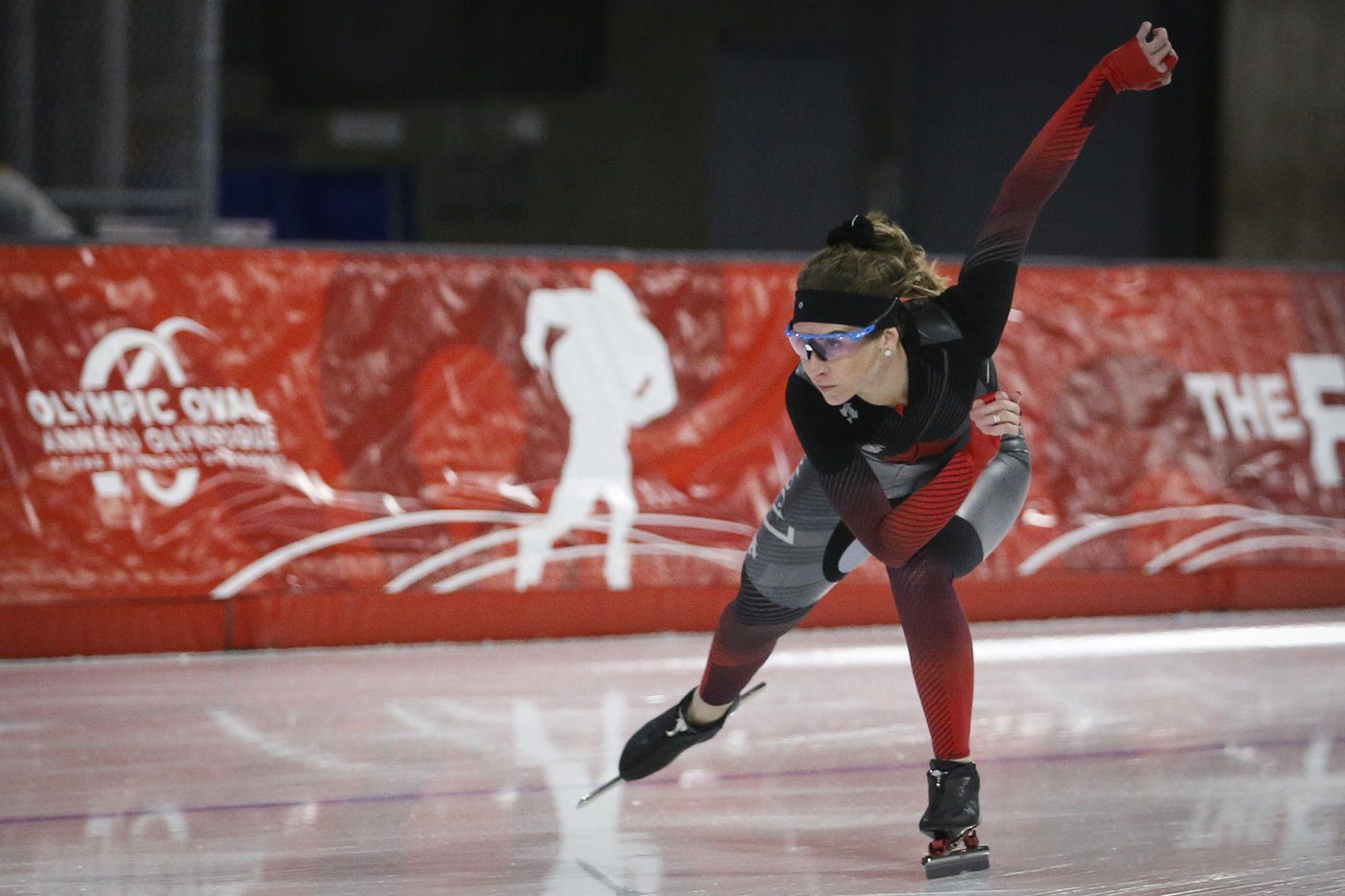
CALGARY — Calgary’s Olympic Oval is getting an upgrade.
The federal and provincial governments are equally splitting a $52-million contribution to the renewal of the speedskating facility built for the 1988 Winter Olympics in Calgary.
The federal government also announced Monday an additional investment of $7.67 million into ski racing and snowboard facilities in Quebec, Yukon, Alberta and B.C., as well as a $3-million top-up to the Athletic Assistance Program, which provides Canada’s high-performance athletes monthly cheques to help pay their bills.
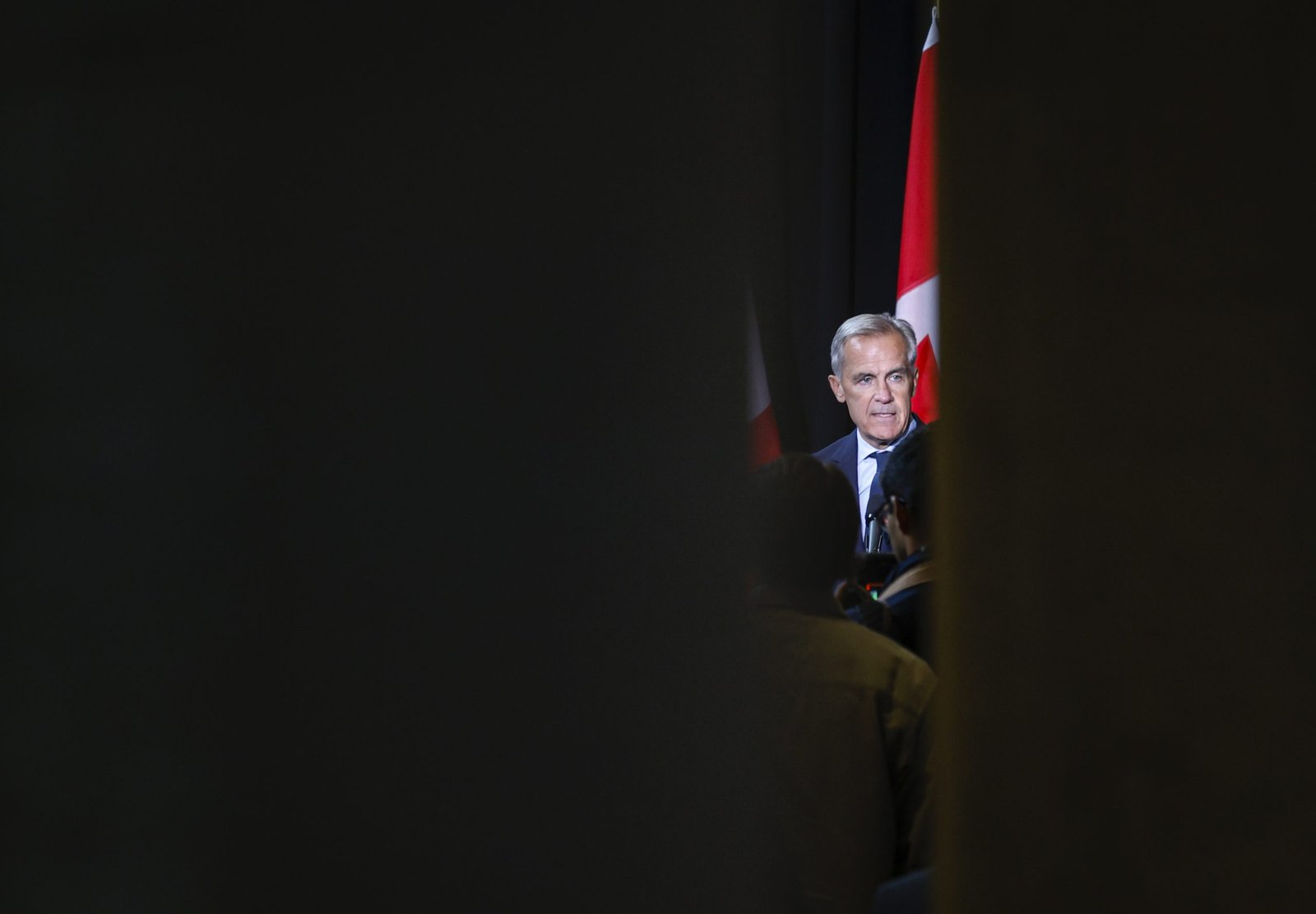
“This is not just a good day for Canadian sport or speedskating in Canada. This is a good era of Canadian sport because we’re making the largest investments our country has ever seen in sport from the playground to the podium, from the people and the places and everything in between that sport requires to continue being Canada’s greatest nation-building project,” Secretary of State for Sport Adam van Koeverden said Monday in Calgary.
“The Calgary Olympic Oval has produced an extraordinary and probably immeasurable number of Olympic medals, but also memories, heroes and beyond that, I understand you can fit more than a dozen volleyball courts in there. A lot of kids have learned how to skate here as well.
“It’s a tremendously important asset to our community and our country.”
The oval on the University of Calgary campus was completed in 1987 for $40 million and was the Olympic speedskating venue the following year.
It’s been a community, university and high-performance athletic facility and the home of the national speedskating team for almost four decades.
Canadian speedskaters who trained there have produced 40 Olympic medals, with Catriona Le May Doan, Cindy Klassen, Clara Hughes, Denny Morrison, Jeremy Wotherspoon, Isabelle Weidemann and Ivanie Blondin among its alumni.
Almost a dozen players on Canada’s Olympic women’s hockey teams, including Hayley Wickenheiser, played club hockey at the oval.
But the oval’s ability to make ice is nearing the end of its life, however, because of brine leaks among the 400 pipe connections under its large floor. Blondin said last year its ice-making capability was “on its last leg.”
Ice plant upgrades, a new running track and improved accessibility for people using mobility aids are other oval needs, according to its director Mark Messer.
The venue’s location on the university campus had made applying for government funding complex because it was considered an educational institution.
But it’s been able to access $26 million from the federal government’s $51-billion “Build Communities Strong Fund” for projects across the country, as well as provincial money.
“Our government is proud to provide $26 million in matching funding to help preserve one of Canada’s most iconic sport facilities,” Alberta Sport Minister Andrew Boitchenko said in a statement Monday.
“Together, we are ensuring the Olympic Oval continues to provide world-class training opportunities for high-performance athletes.”
Added van Koeverden: “I’ve been meeting with Minister Boitchenko for the last year or so. In those engagements, we’ve talked about the most important investments that we are going to collectively make in sport and the Calgary Olympic Oval has been top among those priorities.”
Dubbed “the fastest ice in the world” with help from Calgary’s altitude and dry climate, over 300 speedskating world records were set in Calgary by Canadian and international skaters.
But Salt Lake City’s younger oval has recently gained the upper hand in the long-standing contest between the two venues for world records.
Calgary’s is the oldest of Canada’s three indoor ovals.
Quebec City’s Centre de glaces Intact Assurance, which opened in 2021 for $68.7 million, has hosted international speedskating competitions.
The $44-million Pomeroy Sport Centre in Fort St. John, B.C. opened in 2010.
The feds will also invest just over $4 million into snowboard facilities in Quebec, Yukon and Alberta, and $3.65 million into ski racing facilities in Alberta and B.C.
“This investment is about much more than infrastructure — it’s about creating opportunities for Canadian snowboarders to develop, train and succeed here at home,” said Canada Snowboard chief executive officer Dustin Heise in a statement.
“By strengthening our National Training Centre Network, we’re investing in the next generation of athletes, supporting the communities that help grow our sport, and building a lasting legacy that will benefit Canadian snowboarding for years to come.”
The Athlete Assistance Program, or “carding”, envelope increased to $43 million annually for Olympic and Paralympic athletes, who each currently receive about $2,175 monthly.
Over 1,900 athletes in more than 90 sport disciplines are approved for AAP support annually.
This report by The Canadian Press was first published July 27, 2026.
Donna Spencer, The Canadian Press