dailynewsnblog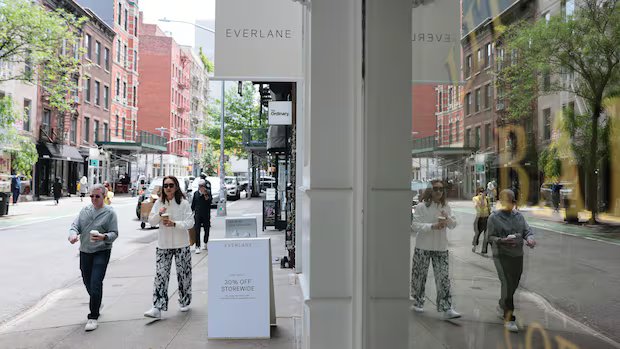

Listen to this article
Estimated 3 minutes
The audio version of this article is generated by AI-based technology. Mispronunciations can occur. We are working with our partners to continually review and improve the results.
Everlane, the sustainable fashion brand which sought to change the industry with its “radical transparency” approach, has been bought by online fast fashion retailer Shein.
In an emailed statement from Everlane on Friday, CEO Alfred Chang said the two companies reached an agreement for the sale.
Chang said that Everlane will remain an independent brand committed to sustainability and “exceptional quality.”
“This partnership creates incredible new possibilities to accelerate that vision and with greater reach, while staying grounded in our core principles,” Chang said in the statement.
Shein did not respond to multiple requests for comment from CBC News.
Puck News first reported that the sale had been approved by the company’s board last weekend. A representative for Everlane would not say when the deal was finalized, but the New York Times reported that the deal for private equity firm L Catterton to sell its majority stake in Everlane was finalized on Friday.
While Everlane did not disclose the financial terms of the sale, Puck News had reported that the deal valued Everlane at $100 million US.

The initial report spurred a shockwave of online backlash among fans of the brand who saw the sale as a reversal of the brand’s climate consciousness.
“I cannot think of an acquisition that makes less sense,” one TikTok user said of the sale.
Another lamented that it seemed as though the brand was throwing out their ethical ethos “in favour of a cheque.”
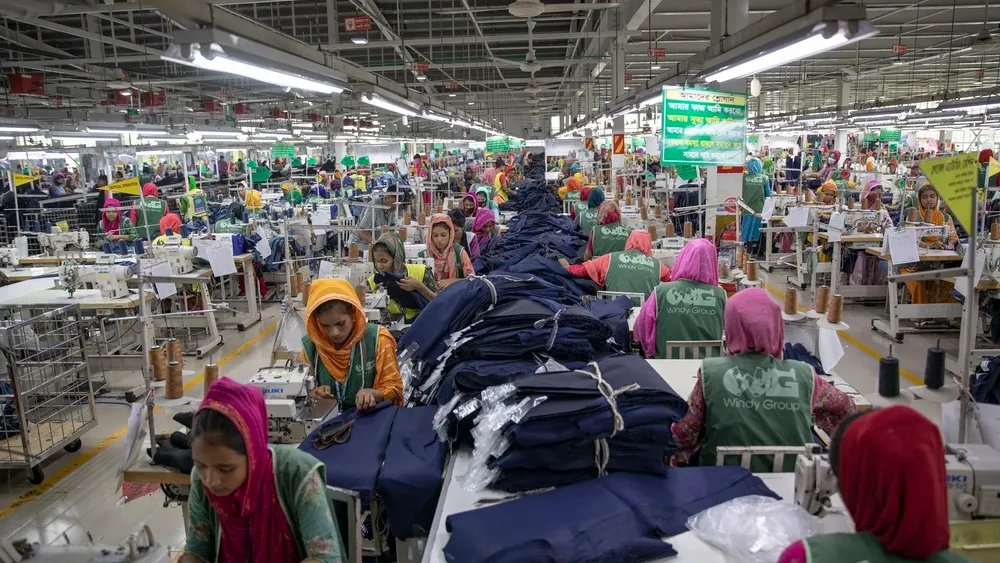
Everlane built their brand on ethical production and sustainability, partnering with what they say are ethical factories and sourcing quality materials, and sharing those details with consumers in an approach they called “radical transparency.”
“At Everlane, we want the right choice to be as easy as putting on a great T-shirt,” their website reads.
The company also made commitments to reduce greenhouse gas emissions by more than 50 per cent per product by 2030 and net-zero by 2050, minimize waste and pollution, and use only certified recycled, organic, renewable, and responsibly-sourced materials by 2025 (it’s unclear from their website whether the last goal was reached on time).
Shein, on the other hand, churns out thousands of new products daily — with some estimated figures in the ballpark of 10,000 — at incredibly cheap prices. A previous CBC Marketplace investigation also found that Shein, among other retailers, were selling products with high levels of toxic chemicals.