dailynewsnblog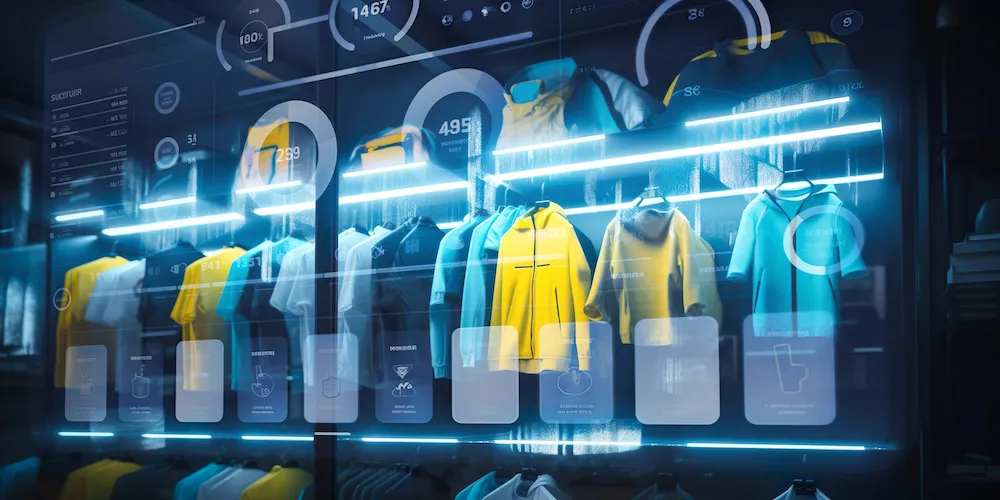
If you spent the last few years watching retail tech, you probably noticed a shift. The era of flashy, performative tech experiments is over. Nobody is rushing out to build empty metaverse storefronts or gimmicky virtual avatars that don’t drive real revenue anymore.
Instead, the industry is quietly tearing down its digital plumbing and rebuilding it from scratch. A cluster of recent industry moves that range from private equity investments in supply chain auditing to artificial intelligence upgrades in cloud design tools, in-store analytics and fraud defense, reveals a clear trend: Fashion brands and retailers are obsessively automating operational friction points. They’re tackling the invisible fractures that eat away at profit margins, like delayed shipments, inventory blind spots, tedious design handoffs, retail theft and escalating e-commerce fraud.
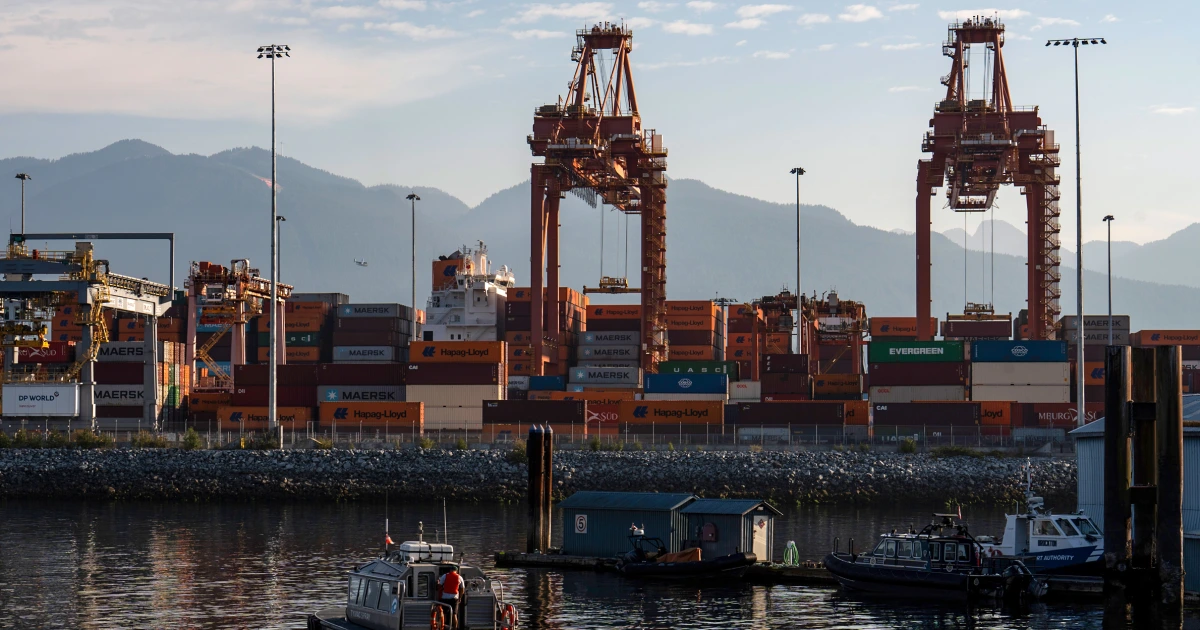
For decades, global garment sourcing ran on spreadsheets, frantic late-night emails and plain old hope. When a factory in Vietnam delayed a fabric run, a brand in New York often didn’t find out until the cargo container missed the boat. That reactive model is collapsing under its own weight because modern supply chains demand real-time telemetry.
Take private equity firm Apax’s recent investment in Inspectorio, a company that built its reputation on quality control, compliance and supply chain visibility platforms. Apax’s cash injection signals something big: institutional capital views supply chain intelligence not as a niche software category, but as critical enterprise infrastructure. Brands can no longer afford unmonitored factory floors or opaque environmental compliance records, making end-to-end traceability mandatory.
At the same time, solution providers like Cleo and Katana are beefing up their platforms to head off supply chain disruptions before they even start. Cleo’s focus on ecosystem integration helps companies link their internal systems directly with logistics providers, suppliers and retail partners.
When an electronic data interchange document stumbles or a purchase order stalls, automated alerts flag the anomaly long before it turns into a missed holiday delivery window.
For smaller brands, Katana’s AI-infused inventory management platform tackles a different headache by balancing raw materials with finished goods. In fashion, fabric lead times are notorious. Overcommit on silk, and cash gets locked up in warehouse rolls for months. Undercommit, and you miss the seasonal selling window entirely. Katana’s smart stock management gives smaller manufacturers the kind of real-time visibility that used to be reserved exclusively for giant conglomerates.
Even global sourcing behemoths are democratizing these capabilities across the board.
Alibaba.com recently launched a new digital sourcing toolkit tailored specifically for sellers with the goal of stripping out friction between buyers and global manufacturers. By leveraging artificial intelligence to match queries, translate technical specs and streamline supplier communication, Alibaba is lowering the barrier to entry for boutique apparel brands looking to source globally without hiring a massive procurement team.
Improving workflows
Behind every jacket sitting on a store rack sits a mountain of repetitive administrative work, including tech packs, measurement charts, material bills and factory line adjustments. It’s slow, it’s tedious and it’s where margins usually go to die. Generative tools and workflow automation are starting to scrub away that friction, shortening the traditional forty-week product lifecycle.
By delegating mundane tasks like generating tech pack descriptions, translating spec sheets, or categorizing sample feedback, design teams get vital hours back to actually design.
The transformation goes deeper than text, reaching parametric modeling and complex product design. PTC’s launch of its new initiative through Onshape Labs offers early access to next-generation computer-aided design capabilities
In apparel and footwear, digital product creation has often suffered from a steep learning curve because designing complex geometry, like a sneaker outsole or a tailored outerwear pattern, takes specialized technical skill. By injecting generative features into cloud environments like Onshape, designers can draft, tweak and iterate models using natural language prompts and predictive geometry.
For fashion brands, this means far fewer physical samples, since teams can test twenty colorways digitally before cutting a single yard of fabric. It also shrinks lead times from months down to weeks, while drastically cutting down on physical sample waste and deadstock.
Technology in physical stores
While the backend gets digitized, physical storefronts are undergoing their own quiet reboot. For a while, doom-and-gloom headlines predicted the end of physical retail, but the reality turned out far more nuanced. Consumers still want physical stores, though they expect them to operate with the speed and personalization of an e-commerce feed.
A survey by Levin Management shows retail property owners and store operators ramping up investments in retail technology. They aren’t spending money on gimmicks, choosing instead to invest in core operational tech such as modern point-of-sale systems, integrated inventory management, robust security, and smart in-store analytics.
Artificial intelligence is fundamentally altering that in-store experience in several concrete ways. Nothing frustrates a shopper faster than seeing a shirt online, walking into a store and finding out their size is buried in an unorganized backroom. Smart vision systems and inventory tags tell sales associates exactly what needs restocking on the floor in real time.
Meanwhile, store associates equipped with smart tablets can instantly view a shopper’s online browsing history, past purchases and style preferences, making the retail floor a seamless continuation of the customer’s online journey. Computer vision tools are even analyzing foot-traffic patterns, dwell times, and touch rates. If shoppers consistently pick up a leather jacket, touch the lining and put it back down, store managers get alerted to investigate whether the price is off or the sizing is wrong.
Retailers no longer have to wait for end-of-month sales reports to fix merchandising errors.
One can’t talk about tech trends without talking about the bottom line, and right now, bottom lines are under siege from modern digital fraud. As online shopping volume climbed, so did fraud, with reports showing that online fraud costs are soaring due to increasingly sophisticated tactics like account takeovers, bot-driven promo abuse, synthetic identity fraud and chargeback abuse where customers order clothes, wear them once and manipulate return policies.
For fashion brands wrestling with sky-high return rates, fraud represents a direct hit to profitability that can no longer be treated as a passive back-office task. Brands are turning to real-time engines that analyze behavioral signals, checking how fast a user types, whether they use a residential proxy, and if their shipping address matches known fraud clusters.
Stopping bad actors at checkout without creating friction for legitimate shoppers has become a core survival skill for direct-to-consumer apparel brands.
When you look at these industry moves together, a single clear narrative emerges. The tech stack for retail and fashion is unifying. The old, siloed model where design worked in one tool, supply chain in another, retail operations in a third and fraud prevention sat off in an IT corner is completely finished. The brands winning today are connecting these dots into a single, responsive feedback loop. If a store’s computer vision detects a surge in demand for wide-leg denim in Chicago, that data can automatically trigger an order adjustment through supply platforms like Cleo or Katana.
Designers can instantly iterate variations using generative design tools, while Inspectorio verifies that the factory has the compliance certifications to produce it. When the item hits the e-commerce store, real-time fraud monitoring ensures that actual customers, not scalper bots, buy it.
Technology in fashion is no longer about looking futuristic. It’s about being agile enough to survive in a volatile, thin-margin world, and the companies investing in these practical operational engines are building a structural advantage that competitors relying on legacy systems simply won’t be able to match.