dailynewsnblog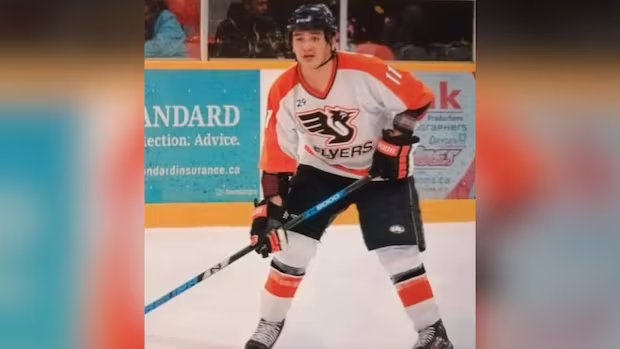

Listen to this article
Estimated 6 minutes
The audio version of this article is generated by AI-based technology. Mispronunciations can occur. We are working with our partners to continually review and improve the results.
WARNING: This story contains references to suicide. Resources can be found at the bottom of this story.
Jonathon Mamakwa says he’s no longer angry about his son’s death, but that he wants to see more mental health and addictions support in correctional settings to prevent similar losses.
Jonathon was the first witness to provide testimony in the coroner’s inquest into Kevin Mamakwa’s death, which began in Thunder Bay, Ont., Monday.
Kevin Mamakwa died on June 2, 2020 while in custody at the Thunder Bay Jail. The 27-year-old was a member of Kingfisher Lake First Nation, a remote Oji-Cree community in Treaty 9 territory about 350 kilometres north of Sioux Lookout.
He was also the nephew of Kiiwetinoong NDP MPP Sol Mamakwa.
“I’m holding onto the love I have for my son and I want to place it somewhere,” Jonathon told the inquest jury, nearly six years to the day after his son’s passing.
“We don’t want others to go through what we went through or what he went through.”

Inquests are mandatory under the Coroners Act when a person dies in custody. A jury of five is expected to hear from about 15 witnesses over nine days.
On Monday, jurors heard that Kevin was a son, a brother and a father of four. His inquest was originally scheduled to begin in January but was postponed due to the sudden death of his partner, the mother of his children.
Kevin was a talented hockey player but quit after being hospitalized following an assault, his father told the jury.
“He just wasn’t himself anymore,” Jonathon said. “He withdrew from hockey, from school.”
Kevin later experienced trauma following a violent encounter with a police officer, Jonathon said.
Kevin started drinking in his early teen years and eventually turned to drug use. He was receiving suboxone, which is used to treat opioid use disorder, leading up to his death. His last dose was taken May 14, 2020.
Jonathon Mamakwa said he hopes the inquest helps raise awareness about the need for more consistent mental health and culturally-based care in correctional settings, more support for families that have lost loved ones in custody, and the importance of sports and recreation to healing.
‘We have limited resources in our community’
In an inquest, witnesses provide information about the circumstances surrounding a person’s death, after which a five-person jury is tasked with identifying who died, when and where the person died, medical cause of death and means of death.
Jurors will then classify how the death happened: due to natural causes, accident, homicide, suicide or undetermined. They may also make recommendations aimed at preventing similar deaths.
About 550 people live in Kingfisher Lake First Nation. The community’s chief, Eddie Mamakwa, was the second person to provide testimony, and spoke of the drug epidemic his community is facing as well as the high number of young people lost to suicide.

Kingfisher Lake has had a suboxone treatment program for 15 years, he said, but “we have limited resources in our community where we can help our people.”
Chief Mamakwa said it’s important for people to recognize the impact of intergenerational trauma, such as the Indian residential school system and the Sixties Scoop, on his community.
He wants to see other treatment options made available in his First Nation so people don’t have to be sent elsewhere for help, where they may encounter discrimination, he told the jury.
His hope is that the inquest raises awareness about the need to protect First Nation members in custody, especially as construction continues on the new Thunder Bay Correctional Complex.
‘Not an isolated tragedy’
Anna Betty Achneepineskum is a deputy grand chief with Nishnawbe Aski Nation (NAN), a political-territorial organization which represents 49 First Nations across Treaties 9 and 5, including Kingfisher Lake.
“Kevin’s passing while in custody is not an isolated tragedy. We share the concerns of his family and community about the conditions he encountered during his custody and the access to care and supports he received,” Achneepineskum said in a statement Monday.

“We support his family’s demand for accountability and hope this inquest helps provide them with the closure they need.”
Achneepineskum is expected to provide testimony Tuesday about challenges facing NAN members “who find themselves isolated and in need of health, mental health, and addiction services, housing, and the continued failure of emergency response and by that continue to contribute to tragic outcomes for NAN First Nation citizens,” NAN’s statement says.
NAN also issued a statement Monday on behalf of Jonathon.
“My son died in a place that should have been safe. That fact alone demands accountability,” Jonathon wrote.
“We are not speaking out just because Kevin was our son. We are looking for answers because we know that there are many other First Nations members, particularly the young people, who are asking for help and not receiving attention until it is too late.”
The inquest is being streamed online in English, with translation provided in Oji-Cree.
If you or someone you know is struggling, here’s where to get help: