dailynewsnblog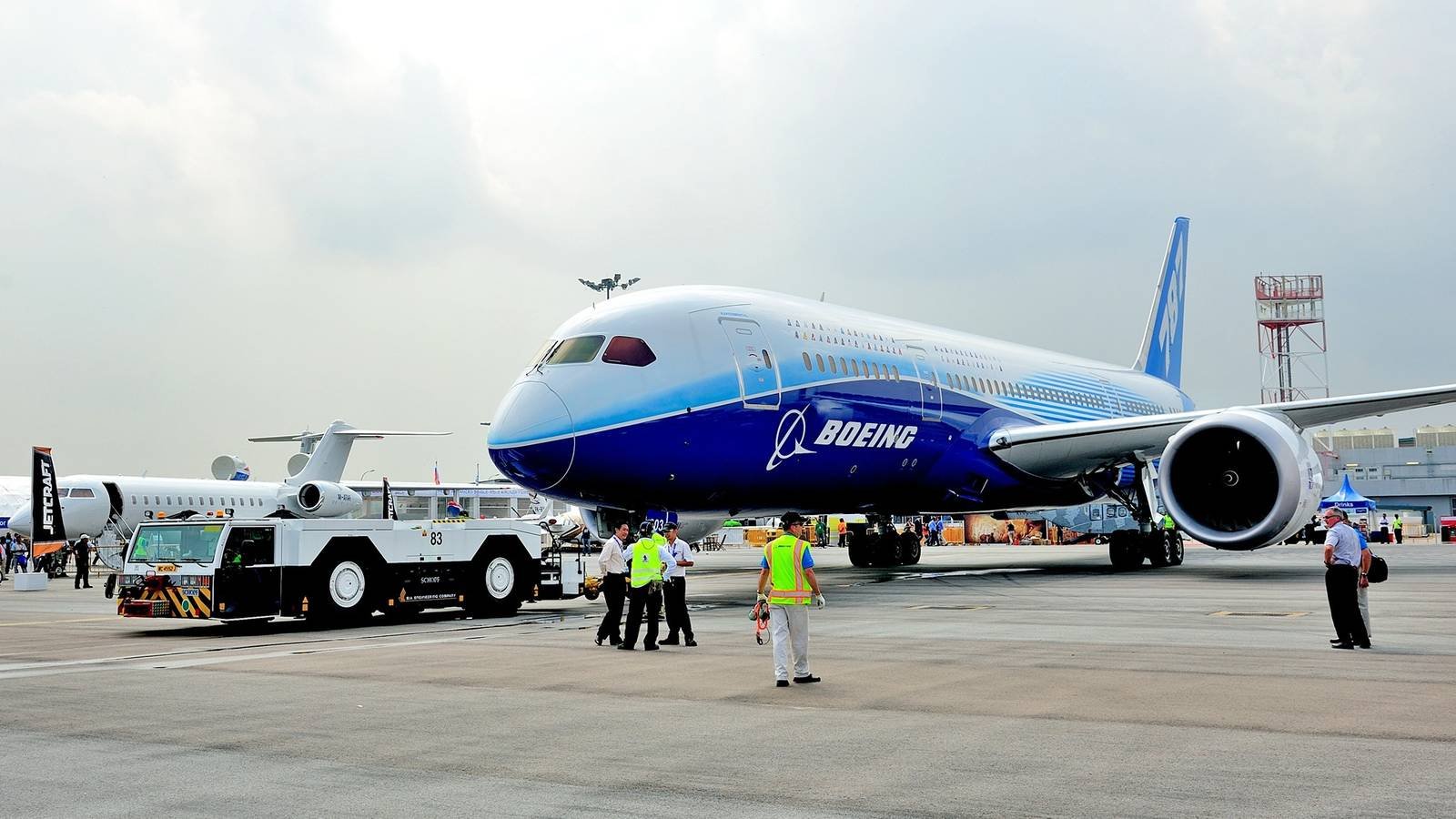
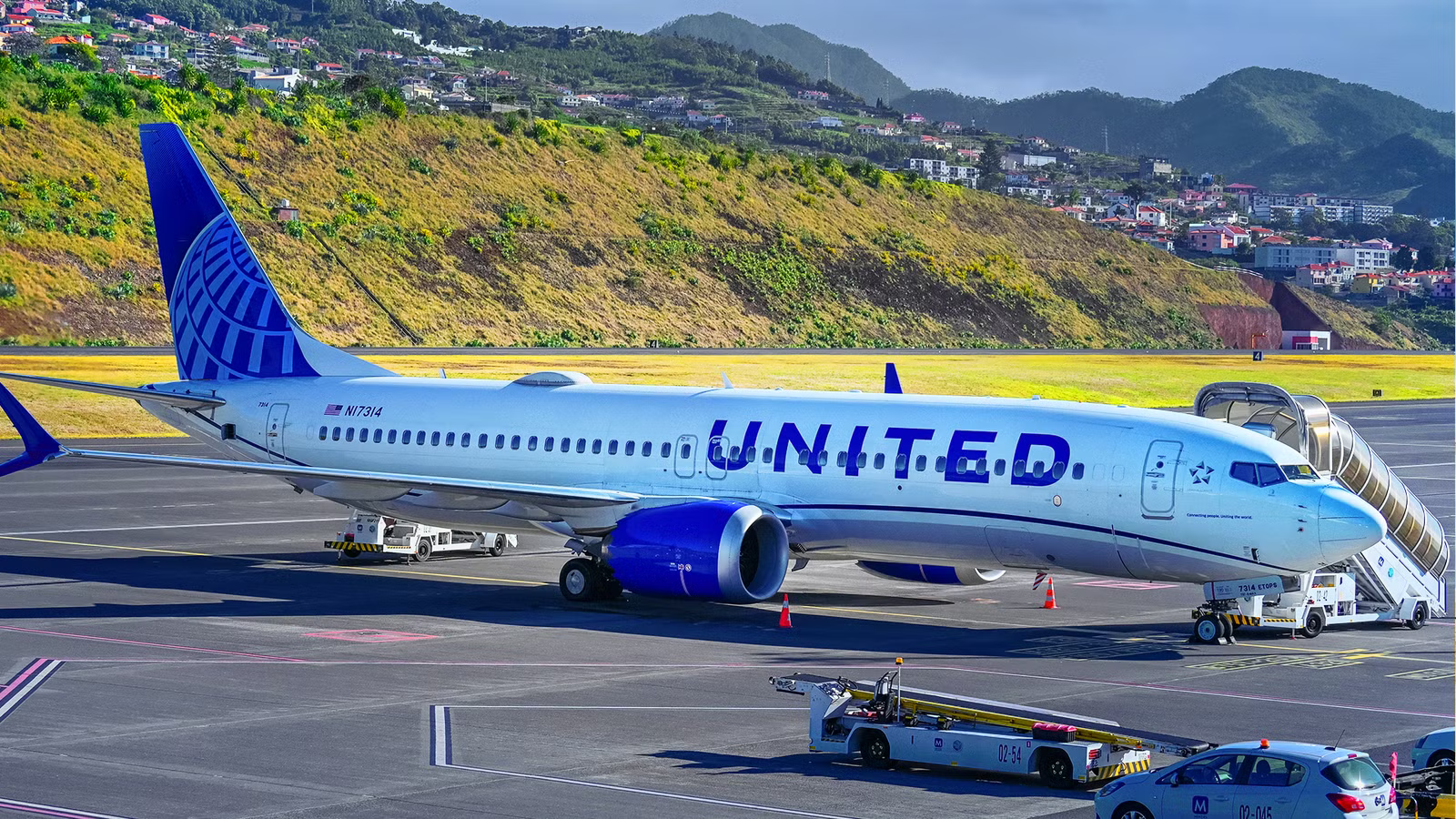
The Federal Aviation Administration ( FAA) has finally returned authority to  Boeing to certify airworthiness certificates again on select Boeing 737 MAX and Boeing 787 family of aircraft. This comes after the permissions were revoked in 2019, following the fatal MAX crashes.
The US Government has noted that over the last eight months, the Administration has witnessed comparable production quality findings by Boeing ensuring airworthiness, and these results then determined that the FAA could finally return this responsibility to the American plane maker.
Boeing To Resume Issuing Its Own Airworthiness Certificates

Since last September, the FAA has been working with Boeing alternating weeks on select aircraft types (the MAX and Dreamliner) before they are delivered to customers. During this time, the FAA was overseeing quality control and analyzing quality findings on Boeing-issued airworthiness certificates to ensure that they were up to the standard required.
Boeing will continue to work under FAA oversight, ensuring high-quality, safe commercial airplanes and ensuring that all aircraft comply with airworthiness certification requirements. In a report by CNBC, this latest decision is a huge vote of confidence for Boeing, which remains one of the country’s largest exporters by value. In the same report, the FAA issued this statement:
“During the past eight months, the FAA has seen comparable production findings when Boeing issued airworthiness certificates and when the FAA issued them. Based on these results, the FAA determined it can safely return this responsibility to Boeing.”
A Huge Vote Of Confidence For Boeing

It goes without question that Boeing has faced several challenging headwinds in the last decade. Lion Air Flight 610 was the first major sign of trouble for the MAX when the aircraft crashed into the sea after taking off from Jakarta and killing all 189 occupants on board. This was then followed by Ethiopian Airlines Flight 302, which crashed just minutes after departure from Addis Ababa and killed all 157 onboard. Details below:
Incident | Date | Summary | Aircraft Type | Aircraft Registration |
|---|---|---|---|---|
Lion Air Flight 610 | October 29, 2018 | Flawed automated flight-control system (MCAS), which repeatedly forced the plane’s nose down | Boeing 737 MAX 8 | PK-LQP |
Ethiopian Airlines Flight 302 | March 10, 2019 | Flawed automated flight-control system (MCAS), which repeatedly forced the plane’s nose down | Boeing 737 MAX 8 | ET-AVJ |
These incidents prompted the grounding of the global MAX fleet and forced extensive redesigns of the aircraft systems. This led to a thorough investigation of the Boeing certification and safety practices. For the Boeing 787, the revocation of its authority to self-certify in 2022 was decided due to several recurring manufacturing defects related to the tail fin and horizontal stabilizer.
Due to these concerns, the FAA intervened and took over the certification of the aircraft to ensure that the planes were meeting the strict regulatory standards before they were delivered to customers.
Restoration of Boeing’s Authority To Issue Airworthiness Certificates

The latest move by the federal regulators to restore Boeing’s authority to self-issue airworthiness certificates will allow all newly built 737 MAX and 787 planes to be signed off by Boeing from July 20, after years of intense oversight. The reinstatement will now be in full, instead of the shared alternating week-a-side system where the process was shared with the FAA.
After this eight-month evaluation, the evaluation proved that Boeing’s internal findings aligned with the government’s standards, and will exclude the MAX 7 and MAX 10, which are yet to receive final certification, both of which are hoped to be received in the next year. Boeing will still face the government-imposed production cap of 47 MAX per month.
Permissions for Boeing to now recertify the MAX and 787 will allow the manufacturer to regain authority to independently issue its own airworthiness certificates and return the authority, which is a significant operational and financial milestone. This final bottleneck will now allow Boeing to hand over jets faster and assist in the clearing of the order backlogs.