dailynewsnblog
That didn’t happen. During Friday’s practice sessions, Hamilton could do no better than fifth, behind various combinations of Mercedes, Verstappen, and McLaren. On Saturday, Leclerc managed to beat him in qualifying, claiming second on the grid, with Hamilton in third. Antonelli was in fourth, having aborted his final run after Verstappen crashed and brought out a yellow flag at turn 9.
Luca Martini/SOPA Images/LightRocket via Getty Images
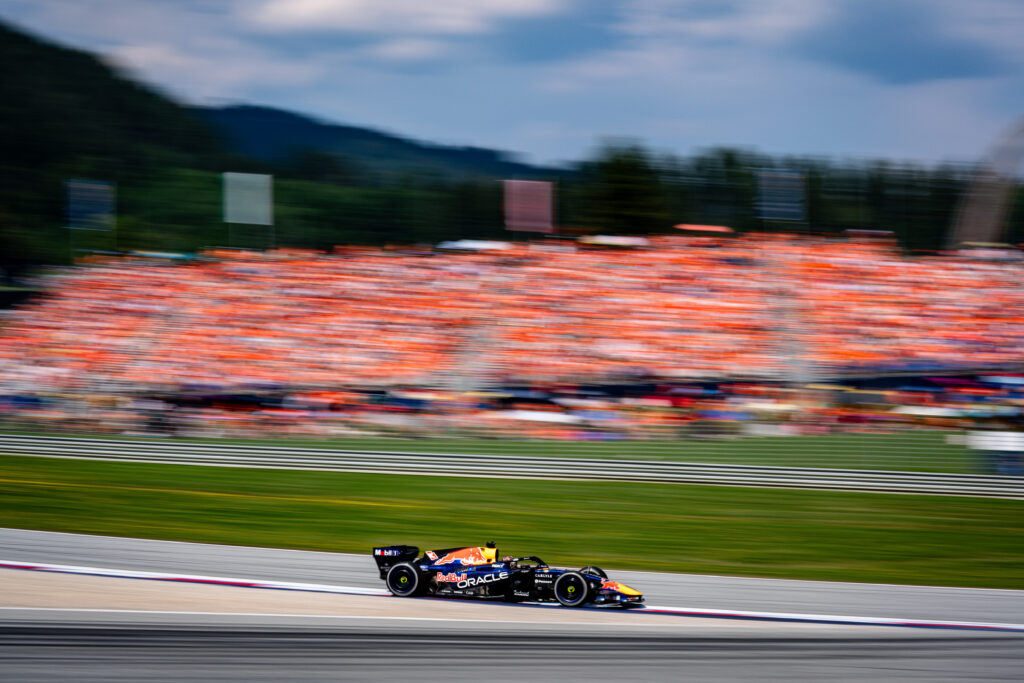
Verstappen drives past a legion of his supporters.
Luca Martini/SOPA Images/LightRocket via Getty Images
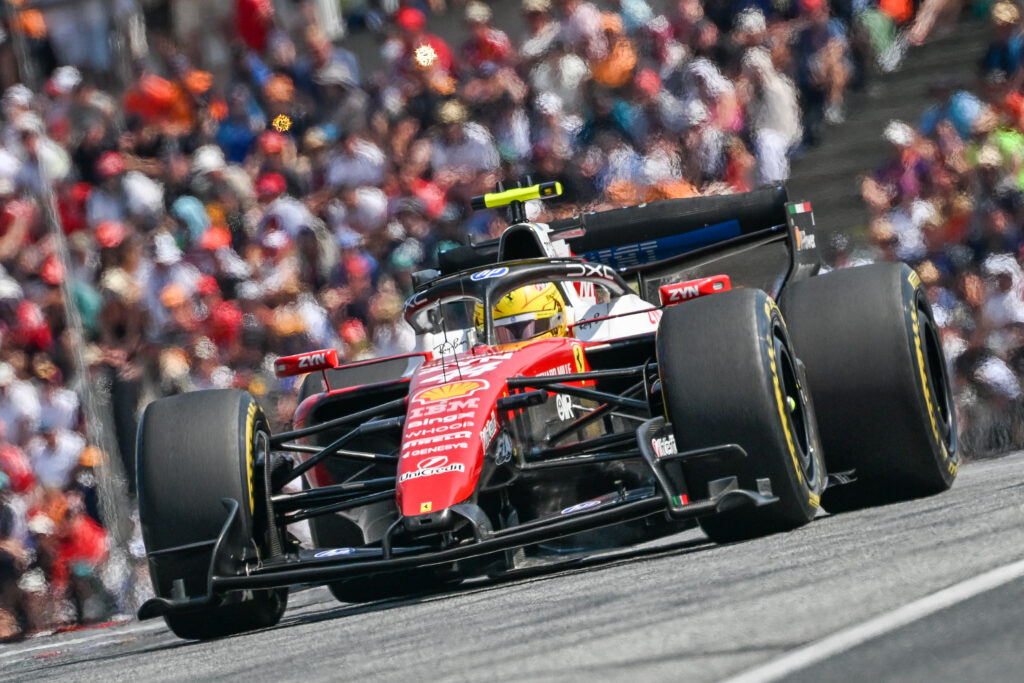
Artur Widak/NurPhoto via Getty Images
Lewis Hamilton tried to hold off Verstappen but couldn’t.
Artur Widak/NurPhoto via Getty Images
Verstappen drives past a legion of his supporters.
Luca Martini/SOPA Images/LightRocket via Getty Images
Lewis Hamilton tried to hold off Verstappen but couldn’t.
Artur Widak/NurPhoto via Getty Images
The Ferraris made OK starts in the race, though the rocket-like advantage they had in early races is long gone. But the superior tire wear from Barcelona was gone here, and both red cars soon began losing time. Hamilton finished fifth, with Leclerc in an even more distant eighth place. McLaren had a slightly less mediocre time, finishing fourth (Oscar Piastri) and seventh (Lando Norris), with Isack Hadjar’s Red Bull in sixth. Red Bull’s other F1 team, Racing Bulls, took best of the rest by claiming the final two points places with Liam Lawson in ninth and Arvid Lindblad in 10th.
The race itself was a lot like classic V10-era F1, at least after the first few frenetic laps. From then on, there was little on-track action, with teams trying to use tire strategy to pass rivals in the pits. That said, we witnessed some good battling between Verstappen and Hamilton, albeit with a bit of the pass-repass yo-yoing that these current hybrids can cause.
To that end, the FIA, the teams, and the engine manufacturers have agreed on new balances between the V6 and electric sides of the hybrid power units. For 2026, the V6 generates 536 hp (400 kW), and the electric motor adds another 469 hp (350 kW), but only when there’s charge in the battery, which isn’t for that much of an average lap.
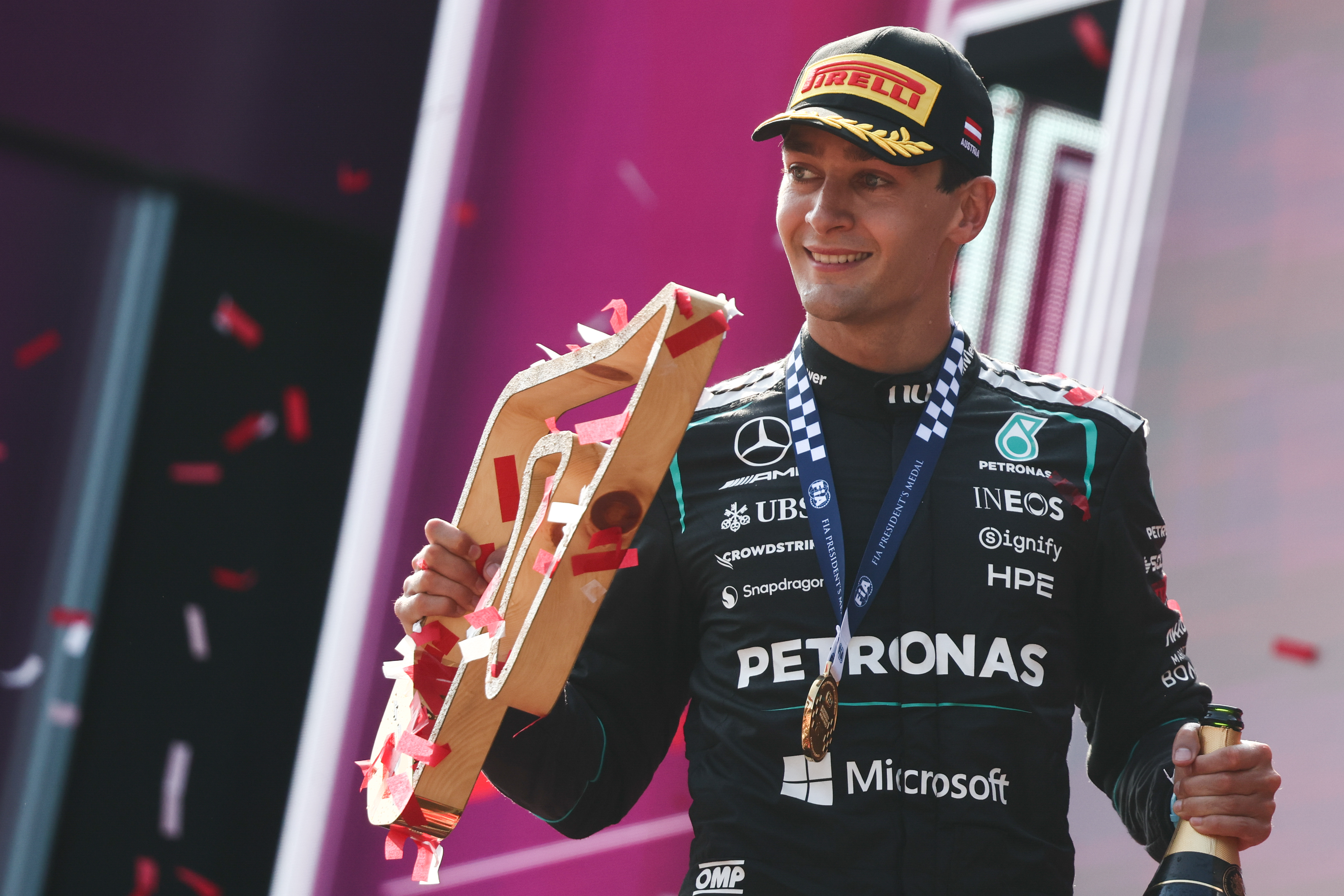
Credit:
Jakub Porzycki/NurPhoto via Getty Images
Russell takes his second win of 2026.
Credit:
Jakub Porzycki/NurPhoto via Getty Images
Next year, the wick will be turned up by 5 percent to 563 hp (420 kW), and in 2028, it will increase to 603 hp (450 kW). Meanwhile, the electric motor output decreases to 402 hp (300 kW) next year. This means the hybrids will have a ratio of 58:42 in 2027, then a ratio of 60:40 in 2028 for the split between V6 and electric motor. However, overtake mode remains at 469 hp, and the electric motor can harvest 375 kW in 2027 (up from 350 kW now) and 400 kW in 2028.
The original plan to rebalance the power units had suggested a 60:40 split next year, but teams, including Audi, deemed it too soon and wanted a more measured ramp.