dailynewsnblog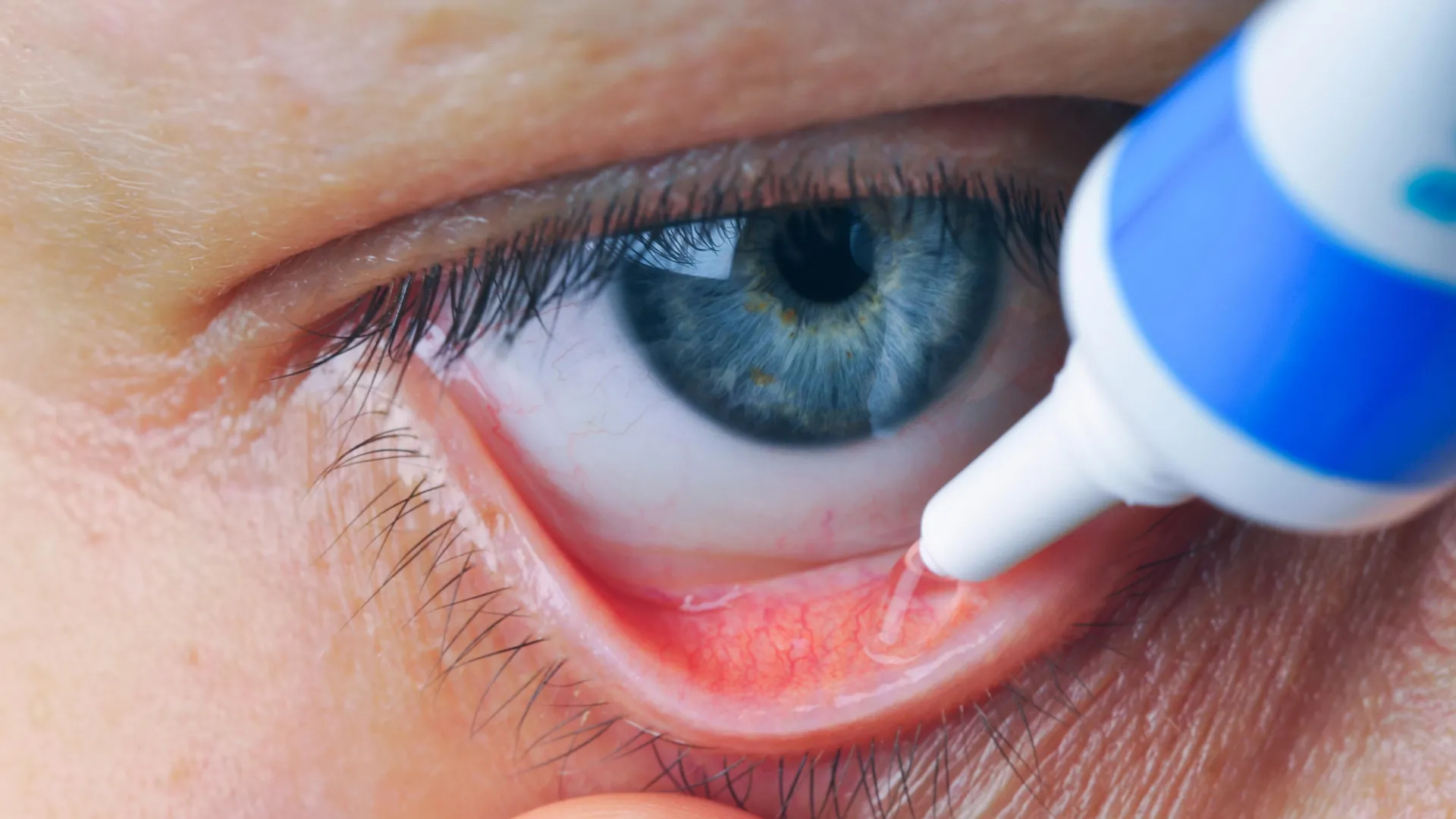
Photoreceptor degeneration is behind several major causes of blindness, including age-related macular degeneration (AMD) and retinitis pigmentosa (RP). Together, these disorders affect about 200 million people worldwide and rank among the leading causes of visual impairment and blindness. Beyond the profound effects on independence and quality of life, vision loss also creates a global economic burden estimated at over US$400 billion per year through healthcare expenses and lost productivity.
In these diseases, the retina’s photoreceptor cells, which detect incoming light, gradually deteriorate and die. Yet much of the neural circuitry deeper within the retina can remain intact and capable of functioning. The problem is that, without photoreceptors, these surviving cells no longer receive the light signals needed to send visual information toward the brain.
That remaining retinal circuitry has become an important target for scientists trying to restore light sensitivity. Existing approaches include gene therapy, which is suitable for only a small fraction of patients with particular mutations, and electronic retinal prostheses, which can be invasive, costly, and require significant training. Optogenetics and light-responsive drugs have also entered clinical testing. Light-responsive drugs have produced encouraging safety results, but restoring high-quality vision under ordinary levels of illumination remains difficult.
Light-Activated Drugs Offer a New Approach
A research consortium led by the Institute for Bioengineering of Catalonia (IBEC) has now developed a new class of photoswitchable small-molecule drugs designed to restore important visual functions in animal models of blindness. The findings were published in the Journal of the American Chemical Society (JACS).
The compounds are designed to take over part of the job normally performed by photoreceptors. They can be delivered by injection into the eye, much like other ophthalmic drugs, or even applied as eye drops. Neither method requires genetic modification or an implanted device. The compounds have also shown promising safety profiles, making them potential candidates for future therapies aimed at restoring vision.
“These molecules do not cure blindness, because they do not address the cause of photoreceptor degeneration. But they are remarkably effective at restoring sight, and they do so using a very simple and potentially patient-friendly approach,” explains Pau Gorostiza, ICREA Research Professor at IBEC, leader of the Nanoprobes and Nanoswitches group, member of CIBER-BBN and co-leader of the study.
“Our goal was to restore vision using a molecular mechanism that is as close as possible to how the healthy retina works,” says Rosalba Sortino, former PhD student at the University of Barcelona, currently a postdoctoral researcher at Gorostiza’s group at IBEC and co-first author of the study. “Instead of bypassing retinal processing, we aimed to reactivate it right at the same level of the retinal circuit as the lost photoreceptor cells.”
The results build on more than 10 years of research. The project included the team led by Pedro de la Villa at the University of Alcalá (UAH), along with researchers from the Institut de Química Avançada de Catalunya (IQAC-CSIC), the University of Barcelona (UB), the Institute Ramón y Cajal of Health Research (IRYCIS), the Autonomous University of Barcelona (UAB), and the Fundació Eduard Soler.
Restoring Visual Function in Blind Animals
The technique relies on photopharmacology, an approach that allows the activity of a drug to be reversibly controlled using light. Researchers alter the chemical structure of a drug by incorporating a light-sensitive molecular switch. When exposed to light, the switch changes the drug’s activity.
Using this strategy, the team created a family of compounds known as prosthe6. These molecules target ON-bipolar neurons and restored saccadic eye movements (optokinetic reflex) in blinded zebrafish larvae, a model commonly used to investigate visual acuity.
The researchers also found that the treatment could restore innate light-avoidance behavior in mouse models of age-related macular degeneration and retinitis pigmentosa.
Healthy mice instinctively prefer darker environments and avoid brightly illuminated spaces. This behavior depends entirely on a functioning visual system. Blind mice lose that preference because they cannot detect the difference between light and dark.
After receiving prosthe6, however, the blind mice once again spontaneously favored dark areas. That behavior indicated that they were able to detect light and use the visual information to guide their actions. No training was necessary.
The effect also occurred at illumination levels similar to those found indoors or outside on an overcast day. This suggests that the treatment restored functional light perception strongly enough to produce natural, visually guided behavior.
Two compounds in particular, prosthe6-12 and prosthe6-15, produced especially promising results. The restored visual behaviors appeared after injection into the eye and also following topical administration as eye drops.
Replacing the Function of Lost Photoreceptors
Prosthe6 works by targeting ON bipolar cells, retinal neurons that normally receive information from the photoreceptors, the cells responsible for sensing light.
“In healthy vision, ON bipolar cells play a key role in passing on information about the presence of light to the rest of the visual circuit. In degenerative eye diseases, although the photoreceptors are lost, much of this underlying circuitry remains intact but inactive. This creates a major therapeutic opportunity,” explains de la Villa, co-leader of the study.
The compounds target a protein (mGlu6) within this surviving retinal circuitry. By doing so, prosthe6 can effectively substitute for some of the function normally provided by missing photoreceptors.
When light reaches the eye, the molecules change shape. That change triggers signaling within the retina in a way that resembles the normal visual process. The researchers describe the compounds as “molecular prostheses” because they allow the retina to respond to light again without implanted hardware or genetic modification.
Another important feature is their ability to function under ordinary illumination. Unlike some optogenetic approaches, they do not require devices that amplify or deliver specialized light. The molecules are small and water-soluble, and they respond to common visible or white light, including normal indoor illumination and daylight, without the need for unusually intense or specialized light sources.
Moving Toward Possible Human Treatments
The findings arrive shortly after publication of the first-ever clinical trial of a photopharmacological drug for vision restoration (which targets an unrelated protein). That milestone suggests that photopharmacology is beginning to move from experimental research toward potential clinical use.
The prosthe6 technology is protected by patent, and researchers are now studying its safety and formulation with the goal of extending how long the restored visual function lasts.
The team is also working with Eyelumina,a spin-off company in formation to secure investments that support translational development and future clinical trials.
“Turning this into a therapy is a long and laborious process,” says Gorostiza. “But the results show that there is a realistic possibility of restoring high-quality vision with drugs, non-invasively, reversibly and with a mechanism that is independent of the specific retinal disorder or genetic mutation to reach a majority of patients.”
If the approach ultimately proves successful in people, it could provide a widely accessible and affordable alternative to current vision-restoration technologies. It could be particularly important for people with advanced retinal degeneration who currently have no effective treatment options.
The project received early funding from the patients’ foundation Fundaluce (2016), CaixaHealth (Drug4sight, 100010434), the Government of Catalonia (Innovadors, Producte, and Peris programs), and CIBER-BBN (valorization program).
The work also formed part of Rosalba Sortino’s doctoral thesis. The University of Barcelona awarded her the Extraordinary Doctoral Prize for the 2023-24 academic year for the thesis, which she presented at the Faculty of Pharmacy and Food Sciences.