dailynewsnblog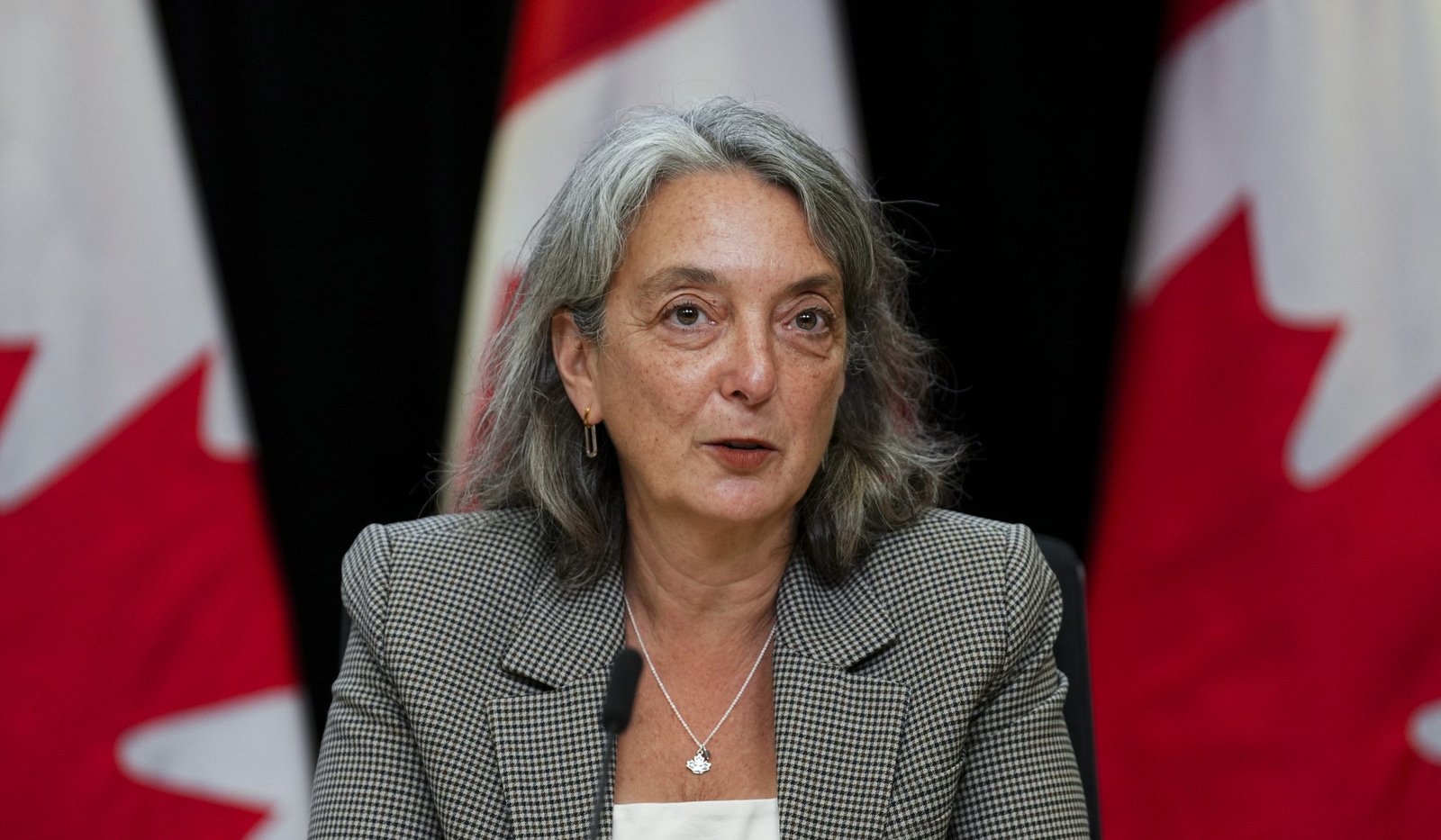
If anyone is creating uncertainty around this federal policy it is the Conservatives who are ‘fighting it every day,’ claims Minister Julie Dabrusin
Environment Minister Julie Dabrusin defended the Carney government’s policy approach before a House committee on Thursday.
During the minister’s appearance before the environment committee, Conservative MP David Bexte accused the Liberals of creating regulatory uncertainty that delays projects, citing the reasons Canadian Natural Resources gave to defer a $150 million investment in early engineering for its $8.25-billion Jackpine mine expansion.
Dabrusin responded by pointing the finger at the Conservatives, saying their attacks against carbon pricing go against the wishes of the resources industry.
“I feel like we have been very clear about the industrial carbon price and the need to enhance it,” she said, adding that if anything is creating uncertainty, it’s the Conservative push against the policy.
“Every day I fight to even keep an industrial carbon price, which is actually what industry is asking of us.”
Liberal MP Eric St-Pierre, a member of the environment committee, brought up figures from a recent Canadian Climate Institute analysis stating industrial carbon pricing would cost oil sands producers just a Timbit a barrel in 2030 on average under a minimum carbon price of $130 per tonne.
The institute shared the analysis after opinion pieces in the media claimed carbon costs of $20 per barrel at $120 carbon price.
St-Pierre and Dabrusin argued that the proposed carbon pricing structure will have minimal impact on the sector’s competitiveness.
But some industry groups, like the Canadian Association of Petroleum Producers, say it will push investors to look at other jurisdictions that don’t put a price on carbon.
Agreement deadline coming up
Meanwhile, a key milestone in the Alberta-Ottawa memorandum of understanding is fast approaching.
The federal and provincial governments hope to have an agreement on industrial carbon pricing by April 1st, 2026.
READ MORE: Clock ticking on Alberta-Ottawa carbon pricing deal as cracks begin to show
That deal describes how Alberta will bring its effective, or ‘headline’ carbon price to $130 per tonne by 2030 when carbon credits currently trade in the market for about $35.
It will spell out when measures take effect and how steeply prices will climb in years to come, all while including a financial mechanism to ensure both parties are respecting their commitments.