dailynewsnblog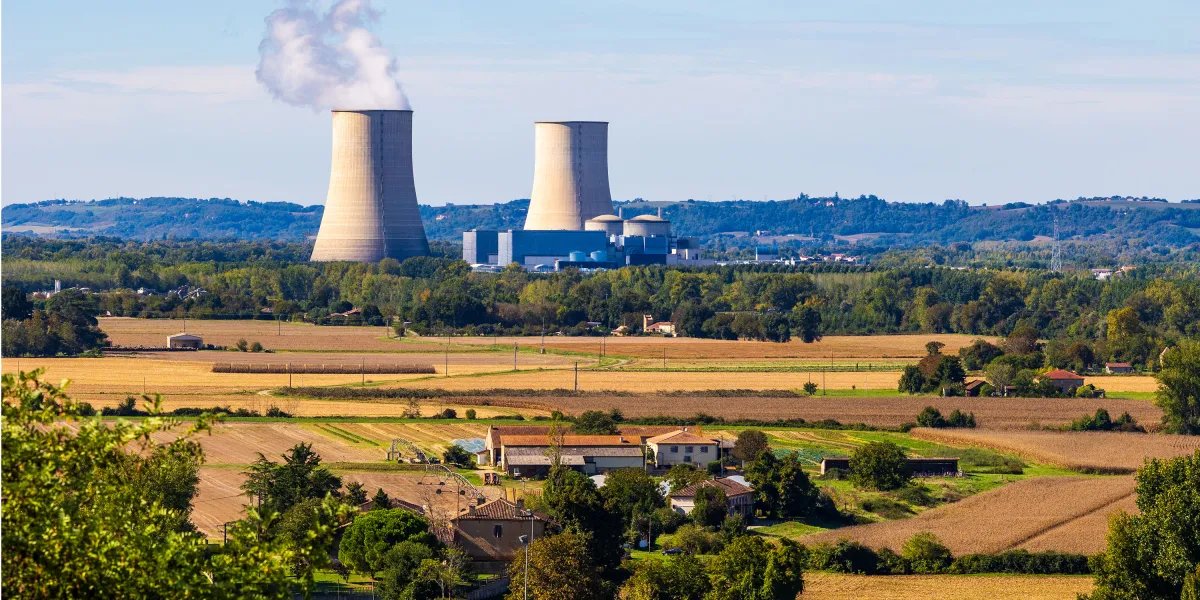
Unit two at the Golfech nuclear power plant in southern France shut down at about 11:45 p.m. on June 22 when the river used to cool the plant got too hot. The move was a precautionary measure, according to Brid Nelligan, a spokesperson for EDF, the plant’s owner and operator.
The power plant takes in water from the Garonne River and then returns most of it to the river at slightly higher temperatures after using it to cool equipment. French regulations limit the temperature of that return stream, so the warm water (it was expected to reach 28 °C, or around 82 °F) forced the operator to shut down the plant.
EDF, which operates France’s entire nuclear fleet, is also limiting the output of other reactors across the country—one reactor at the Nogent-sur-Seine power plant was ramped down as of Tuesday, and more will follow later in the week, Nelligan says.
Extreme heat has affected France’s nuclear industry before. At least seven gigawatts’ worth of nuclear energy was forced to shut down across the country during a heat wave in July 2025, according to data from Ember Energy. That’s more than the entire grid of Ireland.
This time, power plant outages and limitations aren’t expected to be drastic enough to affect the ability to meet demand in France, according to RTE, operator of the national electric grid.
Nuclear power has made most of the headlines during this heat wave, but other forms of electricity generation face similar challenges. Hydropower plants frequently run into problems when dry conditions lower the amount of water available to generate energy and force them to decrease or shut off operations. In the first five months of 2025, high temperatures and low water conditions cut hydropower supplies in Europe by 13% compared with the year before.