dailynewsnblog
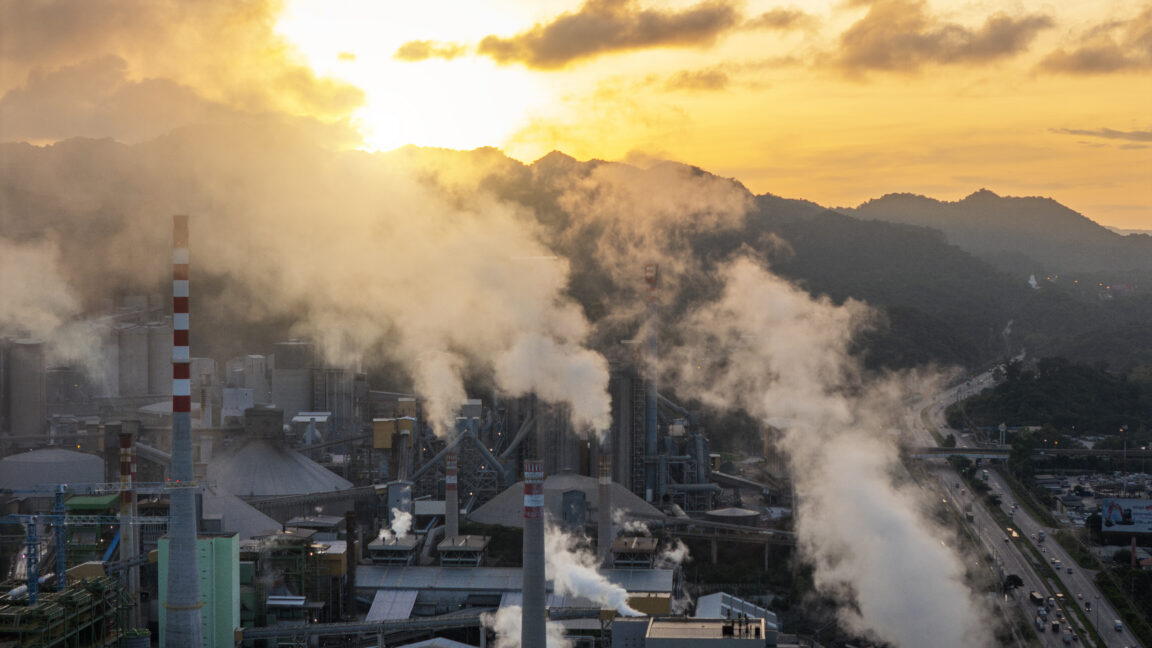
The move to exclude the estimated benefits relates specifically to fine particulate matter smaller than 2.5 micrometers (known as PM2.5) and ozone. This particulate matter, commonly produced by combustion, is small enough to make it through your respiratory system and into your bloodstream. For this reason, it is associated with a host of health impacts even beyond respiratory conditions. That has made research on those impacts the target of anti-regulation advocates who claim scientists exaggerate the harm.
Ozone is also a familiar enough pollutant in smoggy areas to be mentioned in weather forecasts as a warning for people with conditions like asthma. Ozone pollution in the lower atmosphere results from reactions between nitrogen oxides and volatile organic compounds emitted by various anthropogenic sources.
The new EPA language claims that past analyses have failed to adequately represent the scientific uncertainty of the economic value of reducing these pollutants. The new economic impact analysis for stationary combustion turbines, for example, says this “leads the public to believe the Agency has a better understanding of the monetized impacts of exposure to PM2.5 and ozone than in reality.” It continues, “Therefore, to rectify this error, the EPA is no longer monetizing benefits from PM2.5 and ozone but will continue to quantify the emissions until the Agency is confident enough in the modeling to properly monetize those impacts.”
A 2024 regulatory impact analysis for stationary combustion turbines had estimated those benefits at $27–$92 million per year for a tightening of emissions limits.
This is not the first time that these numbers have become political targets. Between 2004 and 2008, the Bush administration reduced the EPA’s value of a statistical life by around 11 percent. But instead of moving numbers to the lower end of scientific estimates, the Trump administration is more aggressively weaponizing scientific uncertainty. Functionally, the logic is that since estimates of benefits vary from large to extremely large, the EPA will default to a value of zero. Only the costs will be calculated, and those numbers are sure to be highlighted as justification for loosening pollution limits.
Currently, documentation for how the EPA previously calculated pollution regulation benefits based on research—including transparent assessments of scientific uncertainties—is still available on the EPA website.