dailynewsnblog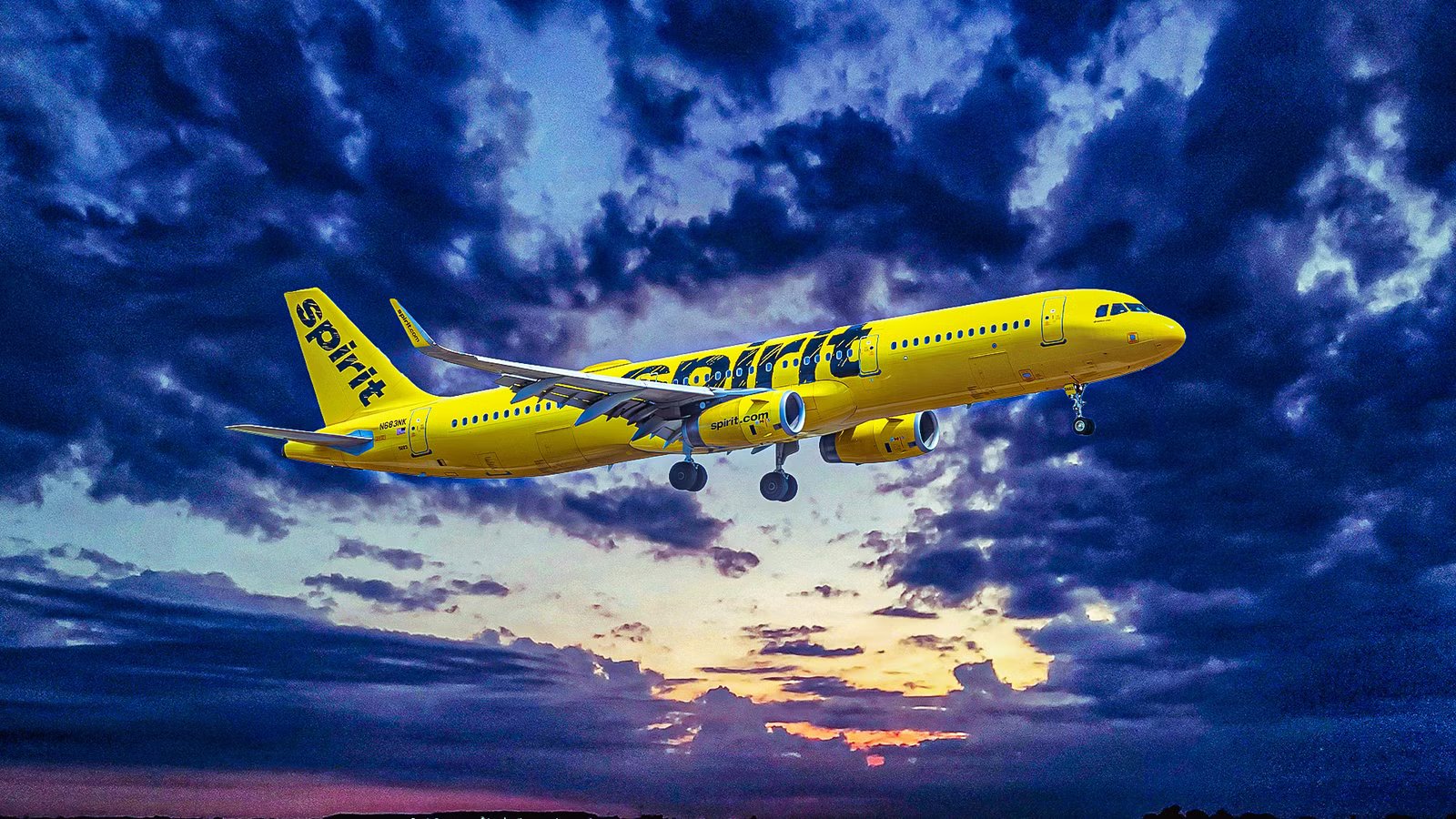
The last Spirit Airlines flight — NK1833 from  Detroit Metropolitan Wayne County Airport (DTW) to
  Dallas/Fort Worth International Airport (DFW) — touched down shortly after midnight in the early hours of Saturday, marking the end of more than four decades of operations for the ultra-low-cost carrier. The shutdown follows a tumultuous period for the Florida-based airline, which found itself squeezed by soaring jet fuel costs and the lingering grounding of its fleet due to Pratt & Whitney engine inspections.
Simple Flying reported yesterday that the carrier was preparing to wind down following failed government rescue talks — Spirit Airlines has now released a statement confirming it has canceled all flights, effective immediately. Despite presenting a viable restructuring plan to investors in March, the carrier said it had no choice but to shutter operations amid “recent material increases in oil prices,” among other factors.
Farewell: Spirit’s Last Flight Arrives In Dallas

Becoming the #1 most-tracked flight worldwide on tracking site Flightradar24, Spirit Flight NK1833 landed in Dallas at 00:09 AM CDT following almost three hours in the air. With Spirit’s future still up in the air when the flight first departed Detroit, rumors suggested the ULCC was preparing to cease operations as early as Saturday. This intensified once the airline started canceling flights scheduled to land after midnight and has now been confirmed by Spirit, which “regretfully announced” it is winding down all operations and shutting down from 03:00 ET on Saturday.
As noted by aviation insider Jon Ostrower, Spirit had just ten planes left in the sky by 12:24 AM ET on Saturday, eventually whittling down to just three flights — NK1833, NK935 (Fort Lauderdale to Dallas) and NK1607 (Chicago to Dallas). Data from Flightradar24 reveals that Flight NK935 landed in Dallas at 00:02 AM, closely followed by NK1607 at 00:06 AM, before the final arrival of NK1833 just minutes later. Dave Davis, President and CEO of Spirit Airlines, thanked the Trump administration for its “extraordinary efforts” to save the beleaguered airline, adding,
“For more than 30 years, Spirit Airlines has played a pioneering role in making travel more accessible. The sudden and sustained rise in fuel prices in recent weeks has ultimately left us with no alternative but to pursue an orderly wind-down. This is tremendously disappointing and not the outcome any of us wanted.”
What Went Wrong For Spirit

Spirit’s collapse has been a long time coming — despite once ranking as one of the country’s most profitable carriers, a series of mounting issues has made its demise almost inevitable. A critical turning point was the Department of Justice’s block of a proposed $3.8 billion merger with JetBlue in 2024, leaving Spirit without a viable Plan B. It then turned to a possible merger with Frontier Airlines last year, but this failed to gain traction.
The airline has also grappled with the grounding of a sizable chunk of its Airbus A320 fleet due to manufacturing defects in Pratt & Whitney’s Geared Turbofan (GTF) engines, at one point placing almost 10% of its fleet out of action. Skyrocketing jet fuel prices proved the final straw for Spirit, which made one last effort to stay afloat through a proposed $500 million federal bailout package.
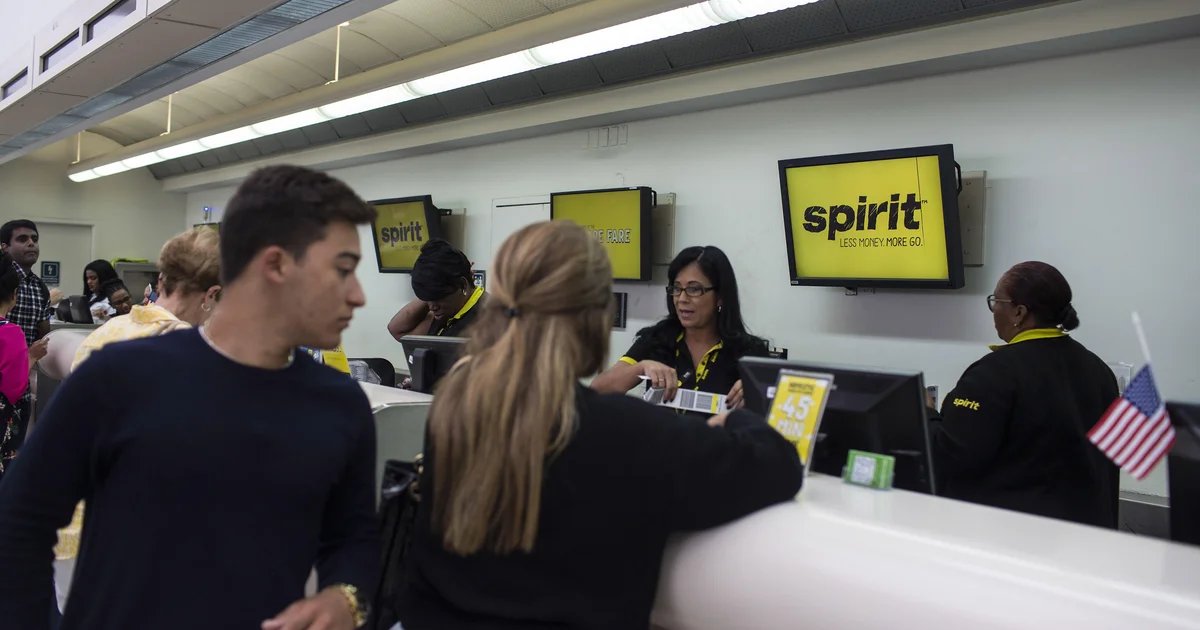
Along with canceling all flights, its customer service teams are also unavailable, leaving thousands of passengers booked on Spirit services in the lurch. However, the airline has promised to refund any flights purchased through Spirit with a credit or debit card, while those booked through a third party must contact their agent for a refund.
Spirit Airlines Seeking Emergency Government Bailout To Avoid Liquidation
The airline needs a serious cash infusion.
What Now For Spirit’s Planes And Staff?

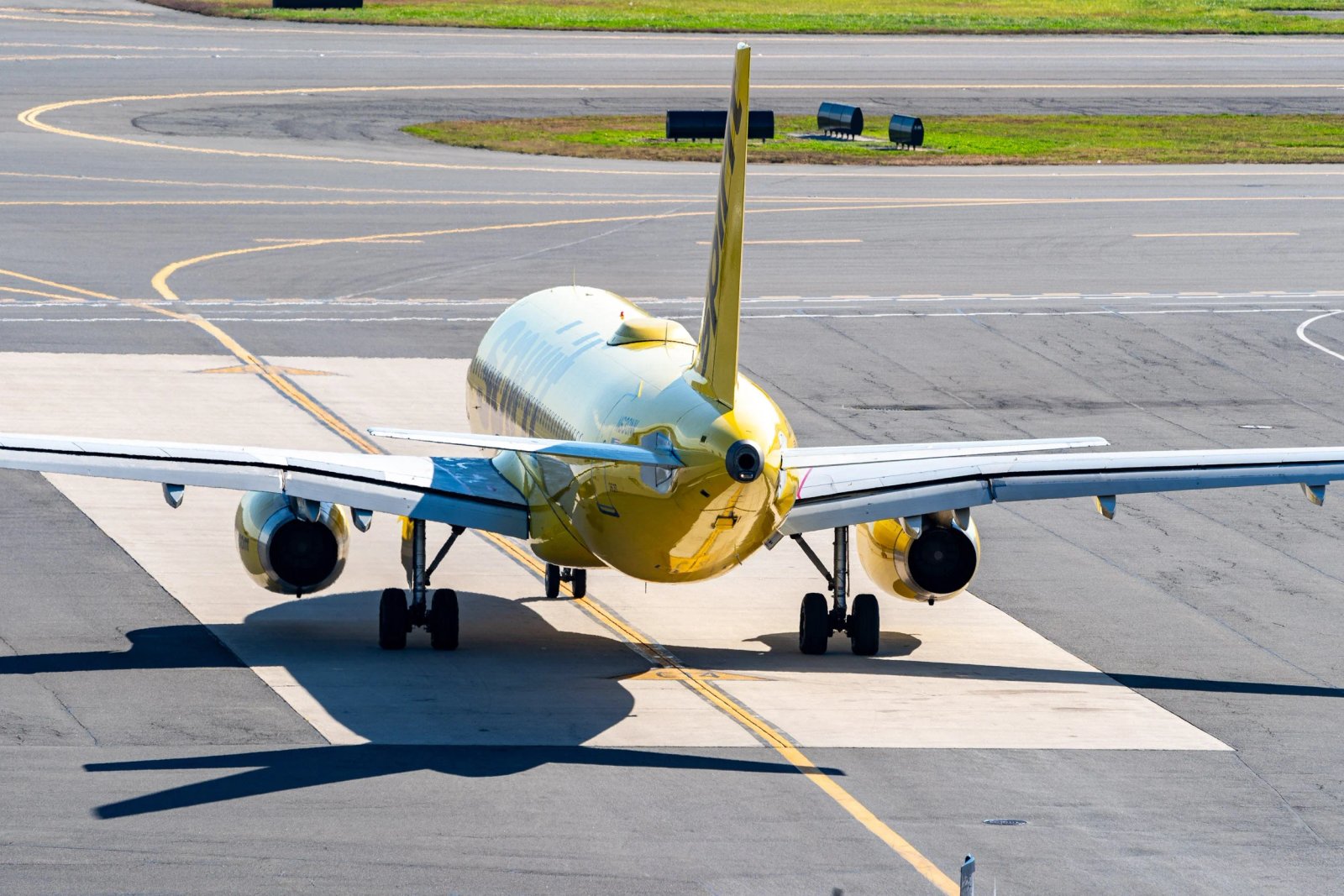
The iconic yellow and black Spirit livery will no longer be a common sight at airports across the US. As per data from ch-aviation, Spirit’s all-A320 family fleet stood at just over 90 planes, with the majority of airframes owned by lessors. These planes will now be returned to their owners to find a new home.
The newer, next-generation planes in Spirit’s fleet — both the A320neo and A321neo — will likely have a much easier path to finding a new operator. The airline also had approximately 17,000 employees on its books and had already furloughed thousands of staff as part of its restructuring efforts.