dailynewsnblog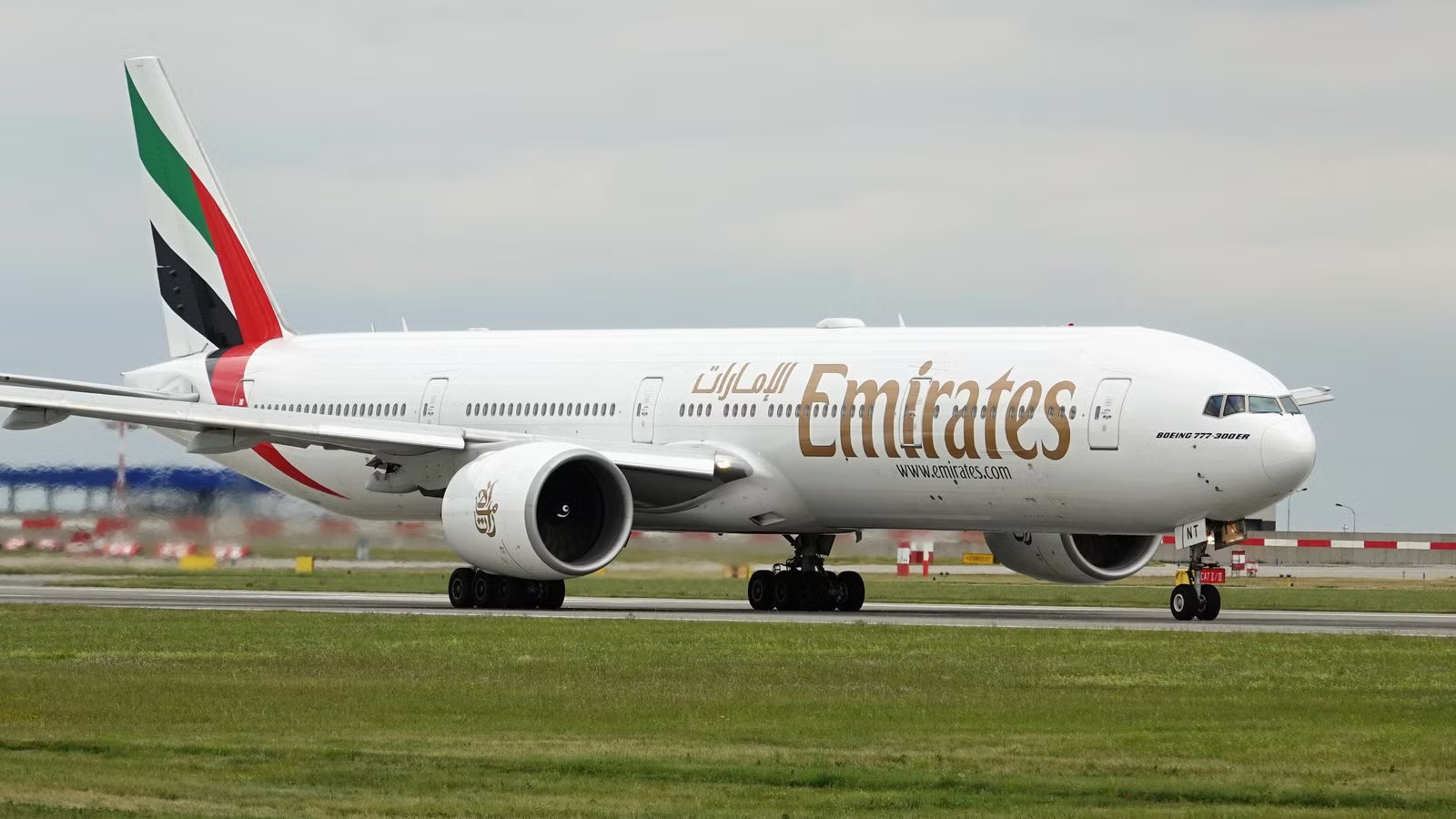
 Emirates passengers traveling from
  Delhi Indira Gandhi International Airport (DEL) to
  Dubai International Airport (DXB) faced an overnight delay after a bird strike damaged a Boeing 777’s nose cone, forcing the airline to postpone the aircraft’s return flight for repairs. Flight EK517 was scheduled to depart DEL at 4:25 PM local time on Saturday, October 17, but ultimately left at approximately 10 AM the following morning, a total delay of around 17.5 hours. Emirates arranged hotel accommodation for affected passengers and apologized for the disruption in a statement to Gulf News.
The incident occurred as the aircraft arrived in Delhi from Dubai on Saturday. Emirates confirmed that the incoming flight had encountered a bird strike and said the return service would be delayed while the aircraft underwent necessary repairs. Video footage showed airport personnel inspecting visible damage to the nose cone. The airline did not disclose how many passengers were affected or provide a detailed account of the damage.
Bird Strike Forced An Overnight Delay

The disruption affected Emirates flight EK517, which operates between Delhi and Dubai. After the bird strike on arrival, the aircraft could not immediately operate its scheduled return service. Emirates initially revised the departure to 7 AM on Sunday, October 18, before the flight ultimately left at around 10 AM.
The nose cone covers the weather radar at the front of the aircraft. Damage to this area can require technical inspections and repairs before an aircraft is cleared to fly again. Although bird strikes vary widely in severity, airlines must assess potential damage rather than assume that an aircraft remains serviceable because it has arrived at its intended destination. Emirates said the necessary repairs would be carried out before the aircraft returned to service. The airline also stated that passenger and crew safety would not be compromised.
Impacts Of Travel Disruption

The incident illustrates how an isolated aircraft problem can ripple through an airline’s wider network, particularly when a long-haul jet is removed from service for an extended period. Aircraft rotations are planned around multiple flights, meaning a prolonged delay can disrupt subsequent departures, reduce available capacity, and complicate crew scheduling. International services add another layer of complexity, as missed connections can affect passengers traveling across several regions. The extent of these knock-on effects depends on fleet availability and how quickly the airline can reorganize its schedule. In this case, Emirates arranged hotel accommodation while the Boeing 777 underwent repairs, with the Delhi to Dubai flight eventually departing the following morning.
The impact varies according to each passenger’s itinerary and the availability of seats on alternative departures. Emirates’ public statement focused on the repairs, accommodation, and safety of passengers and crew. Travelers affected by similar disruptions should monitor direct airline communications and verify connecting arrangements, since the revised departure time alone does not confirm that onward reservations have been updated.
Bird Strikes Can Disrupt Operations Without Causing An Emergency

Bird strikes are a recurring hazard in commercial aviation, particularly during takeoff, landing, and the approach to an airport. Many incidents cause little or no damage, but collisions can affect aircraft components, including windscreens, engines, and the nose section. Even when an aircraft lands safely, maintenance personnel may need to inspect the affected area before approving another flight. In this case, the aircraft completed its arrival in Delhi before the damage was addressed. The reported disruption involved the subsequent departure rather than a reported emergency landing. The available information does not establish the precise extent of the damage or indicate that any other aircraft were affected.
The incident highlights how a single aircraft can be removed from service while engineers determine whether repairs are necessary. For airlines operating tightly scheduled international fleets, such interruptions can affect aircraft availability and passenger connections. However, the length of this delay alone does not establish the severity of the damage. Emirates said the aircraft would undergo the required repairs before returning to service. The airline did not announce a broader operational impact, and no passenger injuries were reported in the cited coverage.