dailynewsnblog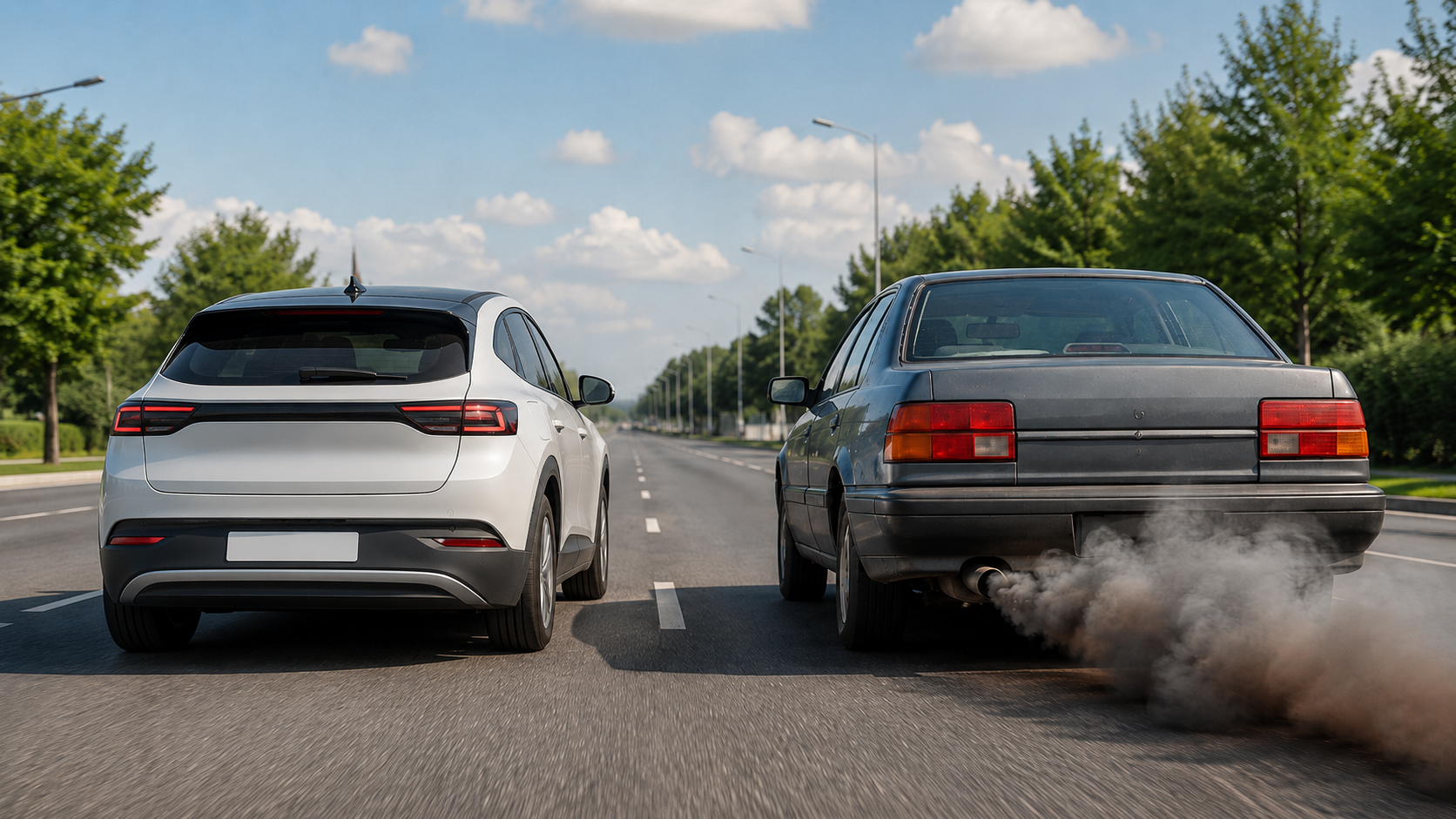
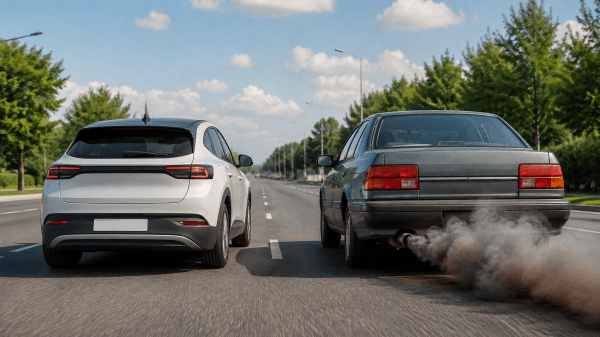
I have been an EV owner for two and one-half years, and I love it. Energy costs for the vehicle are about one-sixth of what I would pay for a gas-powered car, and other costs are eliminated or reduced. Savings include:
- Engine-oil and oil-filter changes
- Spark plugs, ignition coils, and fuel filters
- Timing belts and related engine servicing
- Exhaust-system repairs, including mufflers and catalytic converters
- Emissions-control equipment
- Transmission-fluid service for conventional multi-speed transmissions
- Many engine repairs involving pistons, valves, gaskets, fuel pumps, and radiators
- Much brake wear, because regenerative braking slows the car and reduces use of the brake pads.
Because the car’s relatively small battery has a low charging rate, replacement of this is unlikely to be needed for another ten years.
A battery-electric car driven in British Columbia produces about 80% fewer greenhouse-gas emissions than a comparable gasoline model over its complete life cycle. That calculation includes vehicle and battery production, fuel or electricity use, maintenance, and eventual disposal or recycling. (TD Economics)
Despite the considerable advantages, electric car sales in North America moved against the global trend in 2025. EV deliveries fell by more than 30% in Canada and were slightly lower in the United States. Worldwide, however, sales increased by 20%, with particularly strong growth in China, Europe, Southeast Asia, and Latin America. Canada’s decline was partly caused by federal and provincial governments reducing or ending purchase incentives. (IEA)
A heavy truck emits far more greenhouse gas than a passenger car, although cars vastly outnumber trucks. Major truck manufacturers are now producing or developing battery-electric models, especially for short and medium routes. Unsurprisingly, China leads this transition: more than 90% of the world’s electric trucks were sold there in 2025, and one in four new Chinese trucks was electric. (IEA)
Manufacturers including General Motors, Renault, Volkswagen, Stellantis, Hyundai, Kia, BYD, and others are introducing less expensive electric cars, although many of the cheapest models are not likely to be sold in Canada.
Because Carney’s Liberal government is working to promote fossil-fuel production. Canadians should not expect it to encourage sales of affordable electric vehicles—or the transition away from gasoline. That is unfortunate.