dailynewsnblog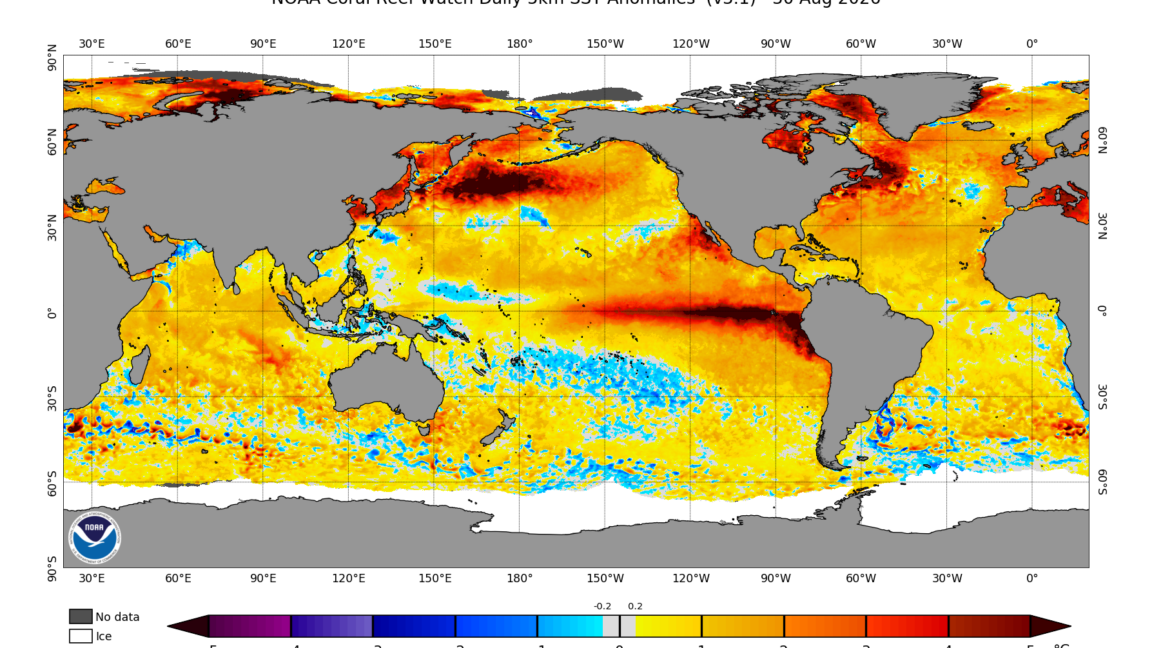
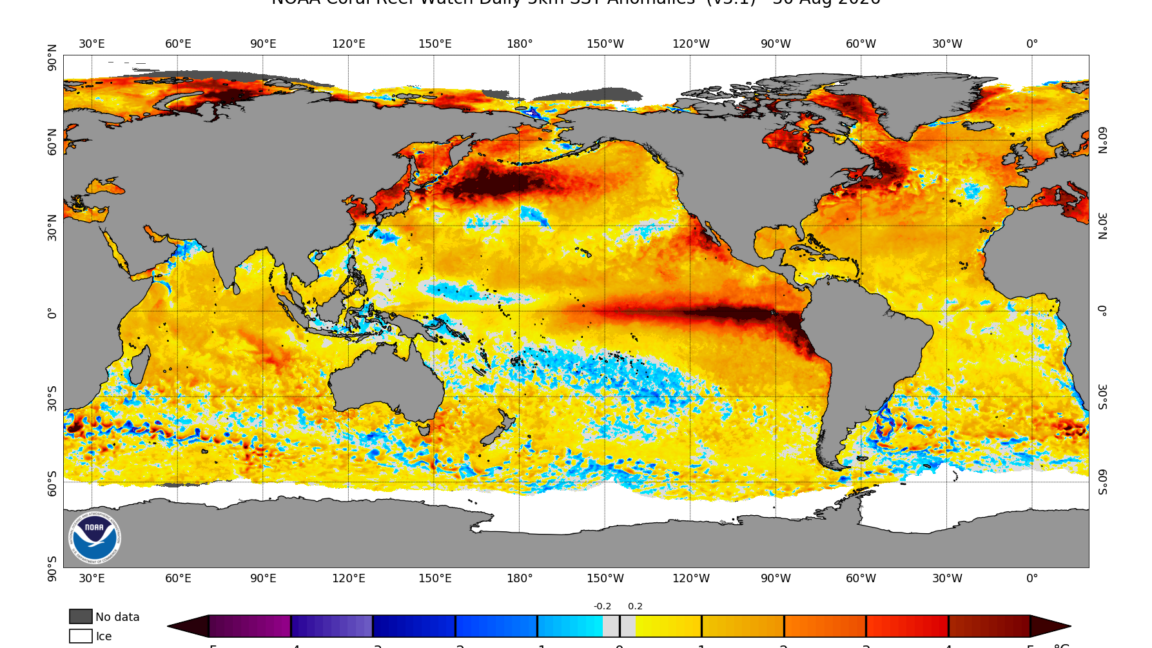
The picture in the central Pacific, though, is murkier. Line Islands corals show a similar mean increase but far wider scatter, which the researchers partly attribute to these records’ reliance on oxygen isotopes alone. Heavy El Niño rainfall there can account for half or more of the signal by changing the oxygen levels in water.
But an ambiguous central Pacific coral record is also what climate models predict. A forced, human-caused increase should appear first in the east. “The faster emergence in the eastern Pacific is exactly consistent with the models,” Cole said.
Crystal ball
Global warming is already expected to intensify ENSO’s hydrological consequences, creating wetter wet phases and drier dry ones, regardless of ENSO-driven temperature swings. Even if El Niño’s temperature swings stayed exactly the same magnitude, its floods and droughts would still get worse in a warmer world because the hotter atmosphere holds more water vapor.
But if ENSO temperature swings are strengthening too, the effects compound. What these compound effects are going to look like, however, is something corals can’t say. “We don’t predict the future. We kind of have a crystal ball to look into the past—it’s a little murky, but that’s our corals,” Cole said.
The future, though, has already started happening since Cole’s study concluded. Two more strong El Niño events have arrived since the end of the team’s coral temperature logs, with another developing now that Cole (and most other experts) expects to break records. “It suggests that what we see is not a fluke,” she said, “but rather a new type of situation for El Niño, a new style of El Niño.”
While the nature of the change remains uncertain, Cole and her colleagues have little doubt about its root cause. “We are attributing that to warming, and we know what causes the warming, and it’s our use of fossil fuels,” Cole said. “One more warning sign here of what we’re facing in a warmer world.”
Science, 2026. DOI: 10.1126/science.ady2660