dailynewsnblog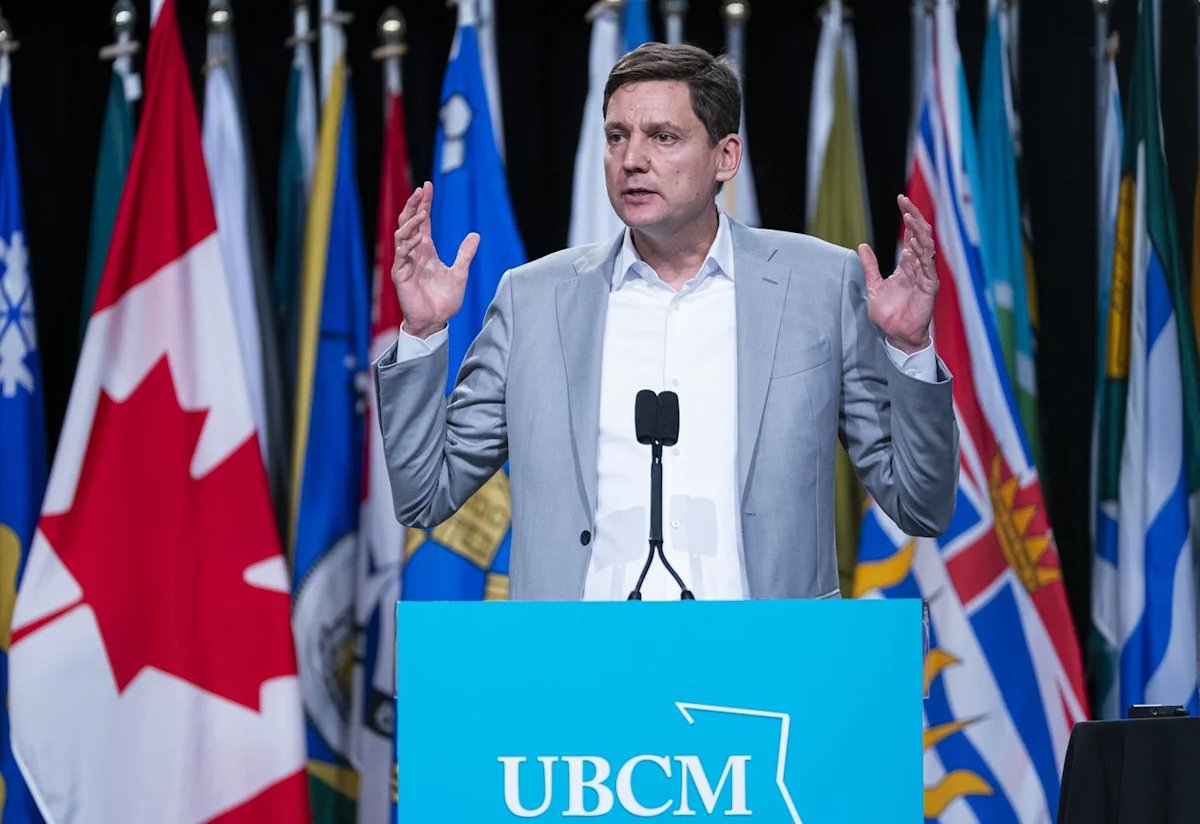

VANCOUVER — British Columbia Premier David Eby says the province is pausing a planned expansion of the provincial sales tax, introducing a $90-million support package for businesses, and directing BC Ferries to build future vessels in the province in response to the trade war with the United States.
Eby spoke to delegates at the Union of British Columbia Municipalities convention in Vancouver on Friday amid speculation he was poised to call a snap election as the Opposition B.C. Conservatives shed more caucus members.
The premier said the province would provide millions in support for communities and businesses impacted by U.S. tariffs, including $30 million for a renewed BC Manufacturing Jobs Fund, $30 million for technology companies and $15 million each for rural infrastructure and BuyBC programs.
Eby has previously defended the PST expansion to professional services that was set to take effect Oct. 1, even as he acknowledged it was unpopular with the business community.
But he said Friday that he reconsidered after hearing from businesses facing tariff challenges. The exemption will include accounting, bookkeeping, architectural and engineering services.
He renewed the province’s commitment to not stock or sell alcohol from the United States until there was a fair agreement in the United States for its forestry sector, a statement that earned him a standing ovation from the convention crowd.
Eby also said his government planned to open more involuntary care beds in every region for those with severe overlapping mental-health and substance use challenges, with future announcements of new beds in the Interior and on Vancouver Island.
The premier’s annual speech came days after he said he had warned Elections BC and his caucus to be “election ready” amid disruptions posed by the U.S. trade war.
Alexa Loo, a Richmond city councillor who is running for mayor, presented an emergency resolution at the conference on Thursday asking the NDP government not to call an election during the voting window for municipal elections across the province to be held Oct. 17.
“British Columbia voters deserve the opportunity and respect to have unfettered attention on local issues during municipal elections, without being overshadowed by a provincial election,” reads a draft version of the resolution shared by Loo.
The resolution also called on senior orders of government to create a legislative framework that would prevent the potential for overlapping local, provincial and federal elections.