dailynewsnblog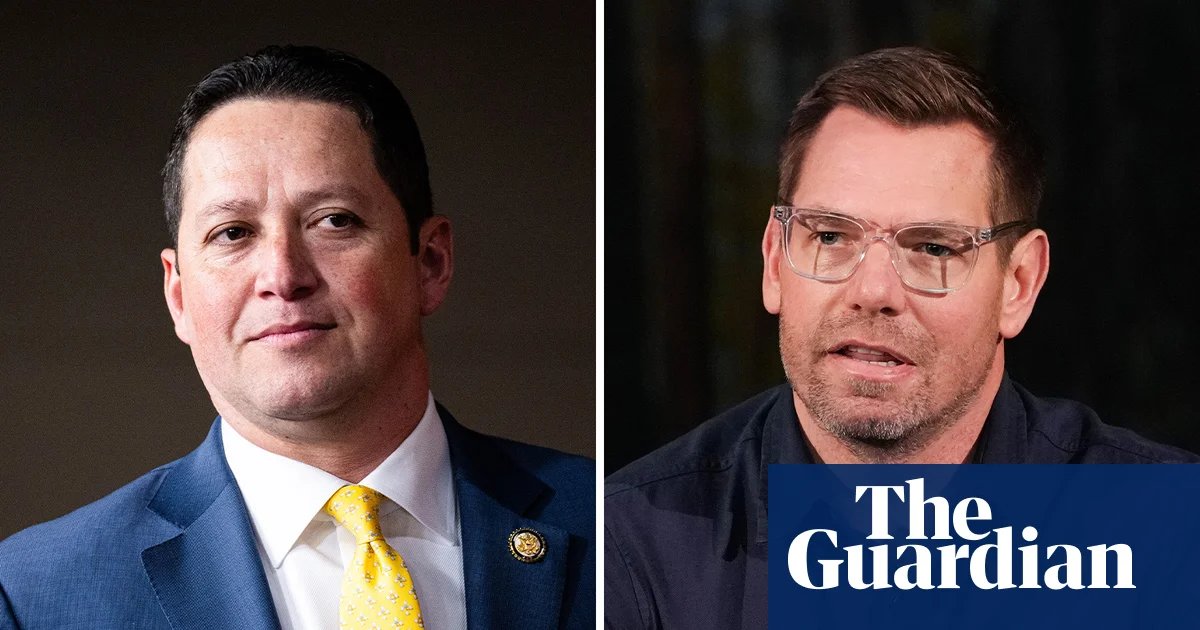
Fifty-three allegations of workplace sexual harassment have been made against at least 30 House and Senate lawmakers over the past two decades, an advocacy group said in a study that was released Tuesday amid a spate of ethics-fueled resignations in Congress.
Most of the lawmakers from 13 states and Guam who have faced allegations have since left office, but nine continue to hold seats, the nonpartisan National Women’s Defense League (NWDL) said.
The findings come amid heightened scrutiny of Congress’s personal behavior after Eric Swalwell, a Democrat and frontrunner in California’s governor race, last week resigned. The San Francisco Chronicle and CNN published reports of women accusing him of sexual assault and misconduct. Tony Gonzales, a Texas Republican, quit his seat the same day, after weeks earlier admitting to an affair with a former aide who later died by suicide.
Almost all cases the NWDL documented are of men harassing women, and 77% of allegations involve members of the legislative staff. The number of actual instances of harassment is likely higher, as only a third of victims ever go public with their accounts, studies have found.
“Understand that what we’re presenting are conservative public facing counts. The reality is much worse,” Emma Davidson Tribbs, NWDL’s founding director, told reporters. “These numbers understate the harm. They don’t deny it.”
The problem is bipartisan, with 60% of allegations made against Republicans and 40% against Democrats. If allegations made outside of the workplace and prior to winning election are included, 137 accusations have been made against 49 members of Congress.
A handful of lawmakers from both parties have similarly called for Florida Republican, Cory Mills’s expulsion, as he faces an ongoing investigation from the House ethics committee into allegations of financial misconduct, assault and sexual harassment, which he has denied.
Mike Johnson, the Republican House speaker, said at a press conference he was “open” to “ways to tighten the rules”, noting that two of his daughters work as staff members to congressional committees.
“For that very reason, we have to protect women and anyone who feels like there’s any inappropriate behavior whatsoever,” Johnson said. “We have a lot of mechanisms in place, but we’re always open to making that safer and more secure, and I will lead that myself.”
In an extraordinary statement released on Monday, the committee, a bipartisan panel tasked with investigating violations of House rules, said it “strongly encourages anyone who may have experienced sexual misconduct by a House member or staffer” to get in touch.
Tribbs noted that lawmakers who resign are able to remove themselves from the ethics committee’s jurisdiction, while keeping benefits they accrued in office such as their pensions and privileges to enter the House floor.
“We get rid of the one bad apple, and then no policy change, no reforms. We are no longer concerned with the survivors who … now have to go through their day to day that’s just been completely interrupted,” Tribbs said.
“Resignation stops the immediate story, but it does not reform the system, and that’s really why NWDL is pushing for consistent, long lasting policy reform.”
On Monday, the Trump administration announced that Lori Chavez-DeRemer, a Republican former congresswoman, would step down as labor secretary after repeated allegations of misconduct including drinking on the job, having an affair with a subordinate and using government resources for personal travel.