dailynewsnblog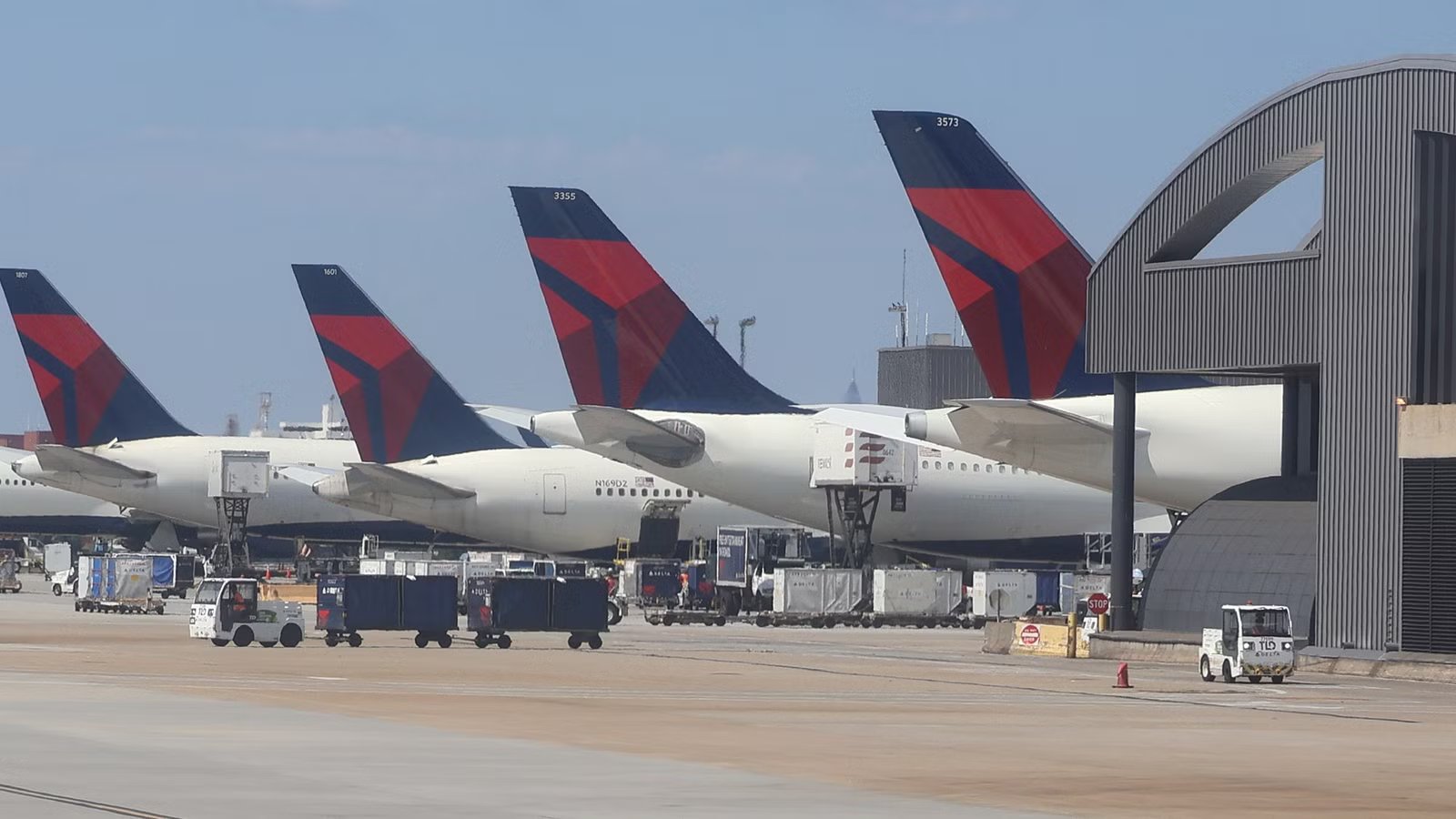
Seven members of the same family are pursuing injury claims against  Delta Air Lines after a Japan AirlinesBoeing 787-9 struck the tail of their stationary Boeing 737-800 at
  Seattle-Tacoma International Airport (SEA) in February 2025. The litigation is notable because the collision occurred at roughly 2.3 mph (3.7 km/h), and the National Transportation Safety Board (NTSB) recorded no injuries among the people aboard either aircraft.
The latest plaintiff, Renardo Robertson, alleges that the impact pushed and twisted the Delta aircraft, causing him to strike a console and injure his lower back, with symptoms extending into one leg. His complaint says he later required significant medical treatment. His wife, daughter, son-in-law, two granddaughters and brother-in-law have also pursued claims connected with the same incident.
What Happened

The collision occurred on February 5, 2025, while Delta Flight 1921 was preparing to depart Seattle for Puerto Vallarta. The 737 was stationary near the airport’s deicing area, with its parking brake set, when Japan Airlines (JAL) Flight 68, arriving from Tokyo-Narita, taxied behind it. The JAL 787 was moving at approximately two knots when its right wingtip struck the vertical stabilizer of the Delta aircraft. The impact caused substantial damage to the Delta jet’s tail, while the 787 sustained comparatively minor damage.
The NTSB later determined that the JAL flight crew failed to maintain adequate clearance from the parked Delta aircraft. The investigation found that the Delta crew had limited ability to move because of congestion and deicing operations ahead of the aircraft. Despite the visible aircraft damage, the NTSB recorded no injuries among the occupants of either airplane. The two aircraft together carried 335 passengers and crewmembers. Delta also said immediately after the incident that there were no reports of injuries among its passengers or crew.
Seven Family Members Now Claim Injuries

The current litigation centers on allegations that the collision caused physical injuries that were not documented at the time of the accident. Robertson claims that the movement of the aircraft caused him to strike a console, resulting in lower-back and leg symptoms. His complaint also alleges that he subsequently underwent significant and invasive medical care, although the available reporting does not specify the procedure or diagnosis. The other six members of the extended family have made related claims. They include Robertson’s wife, daughter, son-in-law, two granddaughters and brother-in-law.
Reports from Live and Let’s Fly indicate that the family appears to be the only group from the flight pursuing injury claims arising from the collision. The discrepancy between the original injury report and the subsequent allegations does not by itself establish whether the claims are valid. Some injuries can develop or become apparent after an event, while medical conditions can also affect how an individual responds to a relatively minor physical impact. The lawsuits remain allegations, meaning the plaintiffs must establish that the collision caused their claimed injuries. Medical records, testimony and other evidence could become important as the cases progress.
Why Delta Can Still Face Liability

One of the more unusual aspects of the litigation is that Delta’s aircraft was stationary and the NTSB attributed the collision to the JAL crew’s failure to maintain adequate clearance. Nevertheless, Delta can still face claims from passengers traveling on its aircraft under the Montreal Convention, which governs international air transportation liability. That framework can impose liability on the carrier transporting passengers for qualifying bodily injuries caused by an accident aboard the aircraft, even when another party was responsible for the underlying event.
The circumstances therefore create a distinction between who caused the collision and which airline may face the passenger claims. Japan Airlines could also become involved in the litigation because its aircraft caused the physical contact. The available reporting indicates that claims have been brought against both carriers in at least some of the related proceedings.
The eventual outcome will depend on whether the plaintiffs can substantiate their injuries and establish the required connection to the accident. The extremely low speed of the collision and the absence of reported injuries at the time are likely to receive significant attention as the cases proceed. For now, the incident remains an unusual example of how a seemingly minor airport collision can produce substantial legal consequences long after the aircraft have left the scene.